

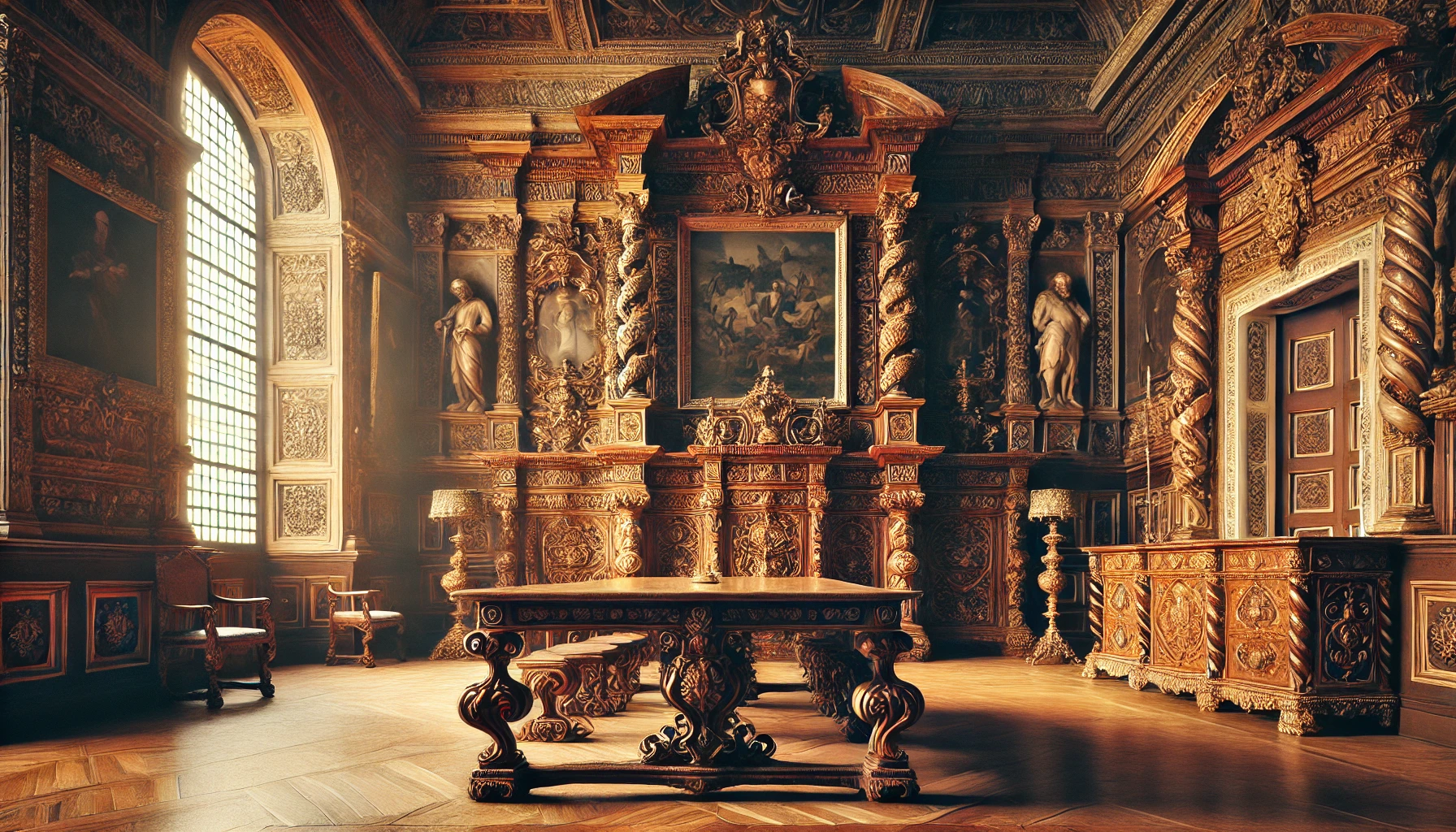
Antique furniture is more than just decor; it’s a genuine testament to the history, art, and culture of bygone eras. Each historical period has left a distinct stylistic imprint, influenced by artistic movements, social needs, and technical advancements. In this introductory guide, we’ll explore the significance of antique furniture styles, how to recognize them, and why they continue to captivate collectors and antique enthusiasts alike.
1. Why Study Antique Furniture Styles?
Understanding the evolution of furniture styles isn’t just about aesthetics; it’s also a cultural and historical exploration. Each piece tells a story and reflects the context in which it was created. Reasons to delve into the knowledge of furniture styles include:
- Appreciating Antiques: Knowing a furniture piece’s style helps determine its authenticity and market value.
- Informed Restoration: Knowledge of construction techniques and materials used in different eras allows for accurate restoration of an antique without compromising its integrity.
- Interior Design: Integrating vintage furniture into modern spaces allows for the creation of unique and sophisticated environments.
2. Distinctive Elements of Antique Furniture Styles
Each historical period has left distinctive characteristics in furniture, tied to cultural and technological factors. Key elements to observe when identifying a furniture style include:
- Shapes and Proportions: From the massive and imposing volumes of the Baroque period to the geometric and rigorous lines of Neoclassicism.
- Materials Used: Each era favored certain woods and decorations. For example, the Renaissance preferred walnut and mahogany, while the Rococo period made extensive use of gilding and refined inlays.
- Crafting Techniques: Inlays, carvings, gilding, and varnishing are distinctive details that help identify a furniture style.
- Decorative Elements: Floral motifs, mythological scenes, abstract geometries, or recurring architectural structures vary depending on the style.
3. The Influence of History and Society on Furniture Styles
Antique furniture styles aren’t accidental; they reflect the social and economic transformations of the eras in which they were created. Consider these examples:
- The Renaissance (16th Century): Characterized by imposing furniture decorated with classical motifs, reflecting a love for the art and culture of the period.
- The Baroque Period (17th Century): Luxurious and exuberant, designed to impress and convey grandeur and power.
- The Rococo Period (18th Century): Lighter and more decorative, with curved shapes and floral motifs, suitable for aristocratic salons.
- Neoclassicism (18th-19th Centuries): Marked a return to sobriety and classical order, with symmetrical forms and refined materials.
- Art Nouveau and Art Deco (19th-20th Centuries): Movements that experimented with new forms and materials, influenced by industrialization and artistic innovation.
4. How to Recognize Antique Furniture and Its Style
Recognizing the style of antique furniture requires a keen eye and knowledge of distinctive details. Here are some tips for correctly identifying an antique piece:
- Analyze the Structure and Materials: Furniture made entirely of solid wood, without modern screws, is often authentic.
- Observe Decorations and Inlays: Elements such as gold leaf, mother-of-pearl inlay, or sculpted decorations can indicate the origin and style of a piece.
- Check for Consistent Signs of Wear: An authentic piece of furniture will show natural signs of aging, while a reproduction often looks too uniform.
- Consult Experts and Reference Books: Antique guides and industry experts can help confirm the dating and style of a piece of furniture.
5. Conclusion: The Importance of Styles in the World of Antiques
Studying antique furniture styles allows you to appreciate not only the aesthetic value but also the history and evolution of furniture through the centuries. Knowing how to distinguish a Renaissance piece from a Neoclassical one, or an Art Deco piece from Baroque furniture, allows for informed choices in both purchasing and conservation.
In our next exploration, we’ll delve into the various styles in detail, analyzing their characteristics and peculiarities, to provide you with a comprehensive and useful overview for recognizing vintage furniture.