

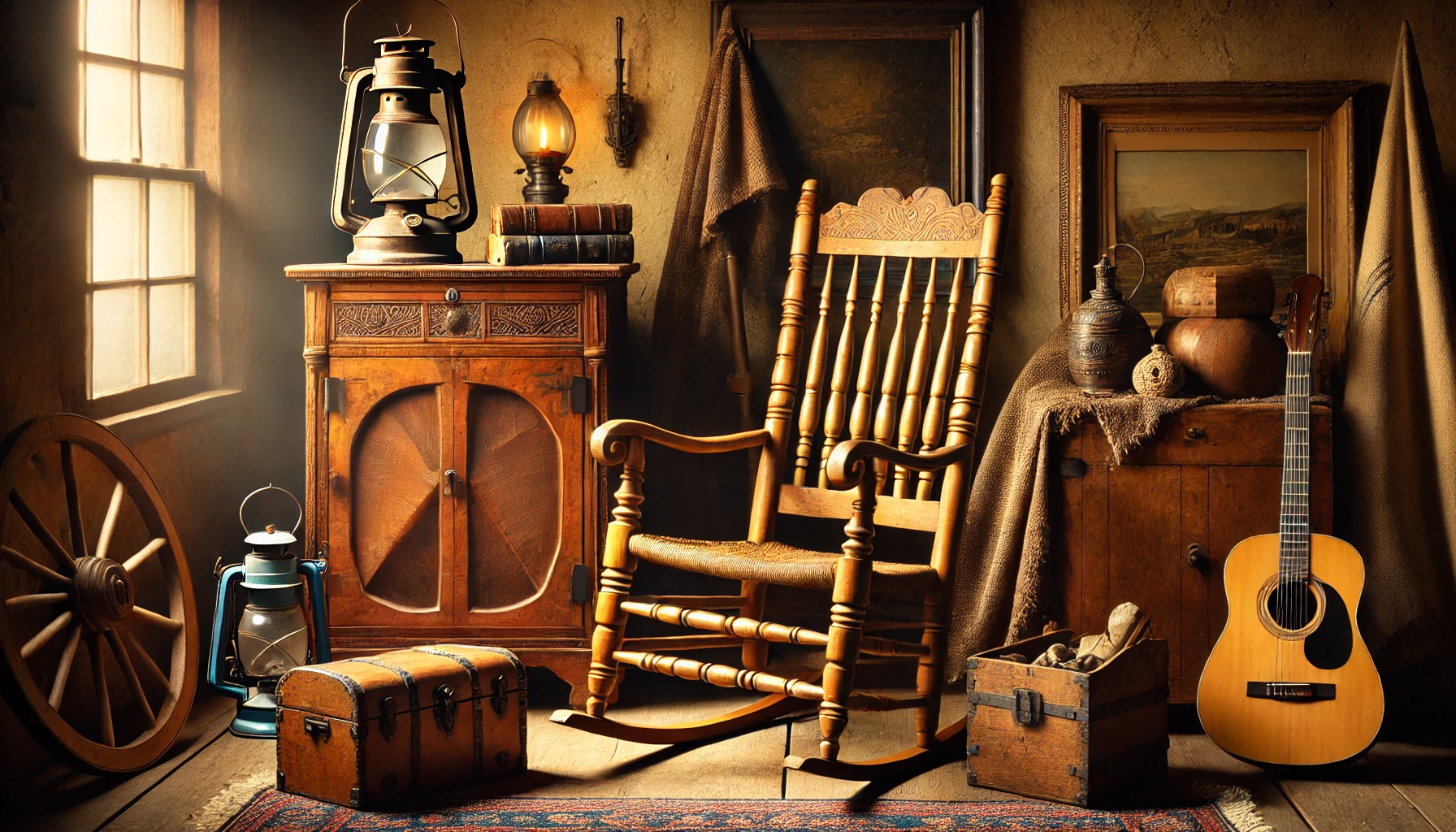
American antiques represent a fascinating world that reflects the history of an ever-evolving continent, influenced by indigenous cultures, European colonial heritage, and a pioneering spirit. Each era has left its mark through furniture, decorative objects, and artifacts that narrate the social, economic, and artistic transformations of North and South America. From colonial elegance to the simplicity of Shaker furniture, to folk art pieces and objects from pre-Columbian civilizations, American antiques are rich in variety and significance.
- The Characteristics of American AntiquesAntiques in America possess unique characteristics, stemming from diverse cultural influences and the practical needs of the communities that produced them.
- European and Indigenous Influences: Early American art and design reflect the influence of European styles – English, Spanish, French, and Dutch – which mingled with the techniques and local materials of indigenous populations.
- Natural Materials: Furniture and furnishings were often made from native woods such as cherry, maple, walnut, and oak. The use of wrought iron and glazed ceramics is typical of areas colonized by the Spanish.
- Functionality and Robustness: Unlike European furnishings, which were often more ornamental, many American furniture pieces were designed to be functional, durable, and suitable for life in the colonies and frontier lands.
- Simple and Symbolic Decorations: In some styles, such as Shaker or Puritan, decoration is minimal, while in others, such as Victorian or Spanish Colonial, carvings and decorative paintings are distinctive elements.
- The Main Styles and Currents of American AntiquesAmerican antiques are divided into different eras and styles that reflect the social and cultural transformations that occurred on the continent.
- Colonial Style (17th-18th century): Primarily influenced by European styles, English, Spanish, and French colonial furniture was characterized by solid forms, local materials, and modest decorations. Sideboards, Windsor chairs, and massive tables are among the most iconic pieces.
- Shaker Furniture (18th-19th century): The Shakers, an American religious community, developed an extremely functional furniture style devoid of ornaments. Their creations were characterized by simple lines, precise joints, and high-quality materials.
- Federal Style and American Empire (Late 18th – Mid 19th century): After American independence, furniture inspired by the neoclassical style became widespread, with decorative carvings and influences derived from Greek and Roman architecture. Tapered legs and brass decorations are typical of this style.
- Victorian Style (19th century): With the Industrial Revolution and economic growth, American taste became more elaborate. Richly carved furniture, fine upholstery, and dark woods characterize this period.
- Craftsmanship and Folk Arts (19th-20th century): In addition to furniture, folk art became widespread in the United States, with objects made of tin, wrought iron, stained glass, and hand-painted ceramics, often made by local artisans.
- Arts and Crafts Movement (Late 19th – Early 20th century): In response to industrialization, this movement promoted a return to traditional craftsmanship and the quality of natural materials, drawing inspiration from medieval and Japanese styles.
- South American Antiques and the Pre-Columbian HeritageWhile North America developed its own distinctive style, South America retained a strong influence from indigenous civilizations and Spanish and Portuguese colonization.
- Pre-Columbian Artifacts: South American antiques include ceramics, textiles, and ritual objects from the Maya, Aztec, and Inca cultures. Precious metals, especially gold and silver, were widely used in sacred decorations and ornaments.
- Spanish and Portuguese Colonial Furniture: South American furniture from the colonial period shows Baroque influences, with elaborate carvings, solid wood structures, and gilded decorations.
- Folk Art and Regional Traditions: In addition to furniture and religious artifacts, Latin American folk art is represented by wooden sculptures, ex-votos, votive paintings, and hand-decorated textiles with geometric and floral patterns.
- The American Antiques Market TodayAmerican antiques continue to be highly valued by collectors and vintage furnishing enthusiasts. However, the market presents some particularities and challenges.
- Demand and Value: Shaker furniture, colonial-era objects, and folk ceramics are highly sought after. Authentic pieces from the 18th and 19th centuries can reach high prices at auctions and specialized shops.
- Authenticity and Reproductions: As in any antiques sector, it is essential to distinguish between authentic pieces and modern reproductions. Provenance and historical documentation are essential to guarantee the value of an object.
- Restoration and Conservation: American furniture and artifacts must be restored with materials compatible with the originals to preserve their historical value. The use of aggressive chemicals can compromise their authenticity.
- Influence in Contemporary Design: The American rustic style, folk art, and vintage design are experiencing a renaissance, inspiring designers and artisans who reinterpret these elements in a modern key.
Conclusion
American antiques are a journey through the history and traditions of a continent that has been able to blend different influences to create a unique style. From the austere furniture of the colonists to the refined ornaments of the Victorian era, to the precious testimonies of pre-Columbian civilizations, each object tells a story of adaptation, creativity, and craftsmanship.
Which American style fascinates you the most? Are you more attracted to the functional simplicity of the Shaker style or the opulence of Spanish colonial furniture? Share your opinion!