

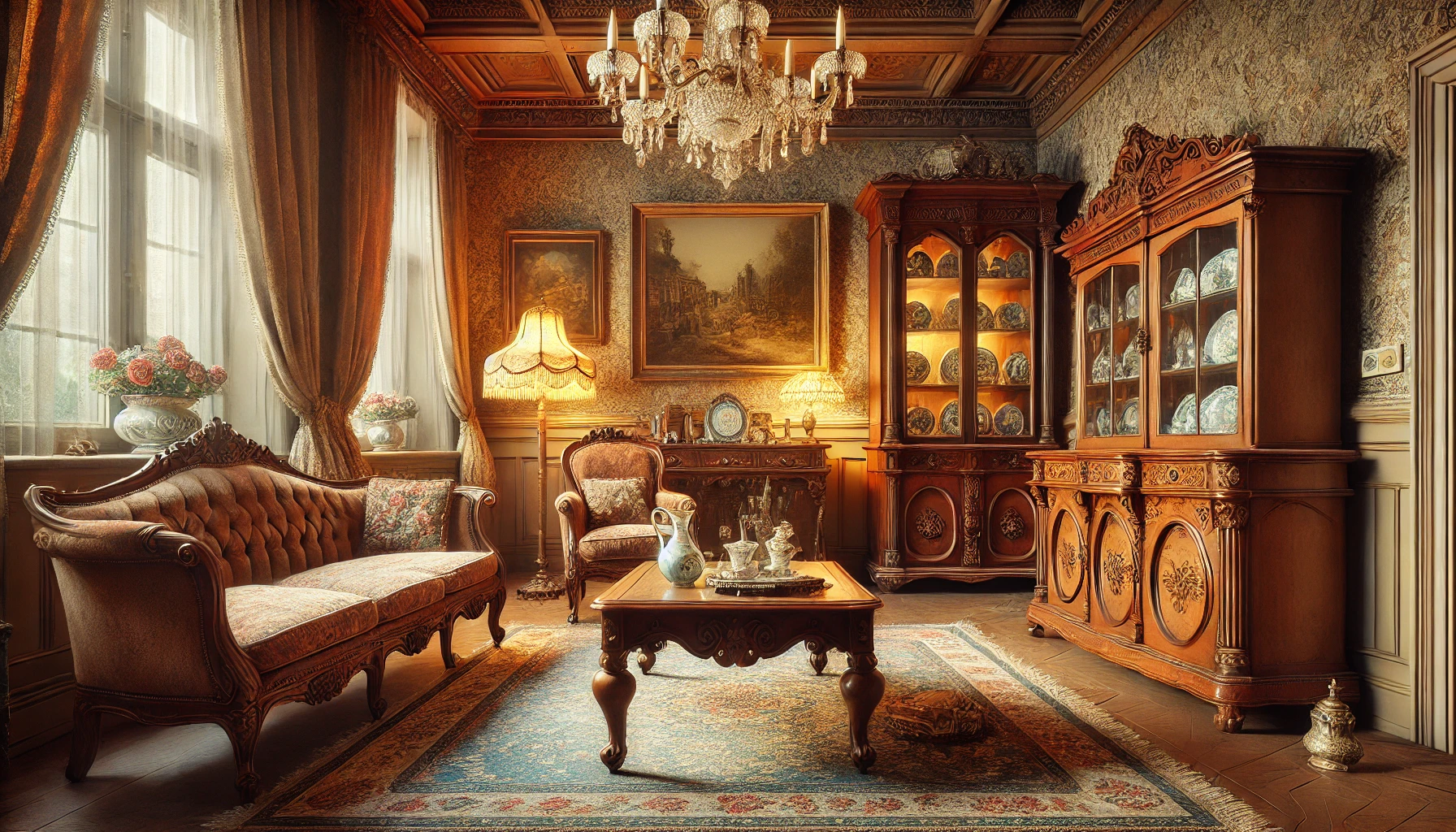
Antiques aren’t just for collectors or history buffs; they’re also an extraordinary resource for transforming homes into refined spaces with a strong aesthetic character. Integrating vintage furniture and objects into a modern or traditional house can impart a sense of authenticity, creating atmospheres rich in charm and uniqueness. However, it’s important to carefully select which pieces to include, avoiding an environment that feels cluttered or disorganized. In this article, we’ll explore the value of antiques in interior design, how to select the right vintage pieces, and how to harmonize them with the rest of your décor for an elegant and cohesive result.
The Aesthetic and Historical Value of Antiques
Incorporating antique furniture and decorative items into a home is more than just decorating; it’s telling a story. Every antique piece carries the mark of time, traces of the craftsmanship of past eras, and the allure of authentic materials that are increasingly rare today. A solid wood table, a cabinet with original inlays, or a gilded eighteenth-century mirror are examples of elements that can transform a space, adding depth and warmth.
The use of antiques in interior design isn’t limited to visual beauty. The quality of materials and workmanship of yesteryear make these furnishings durable and valuable. Unlike modern industrial furniture, often made with composite materials, antique pieces were built to last. This makes them not only decorative elements but also true long-term investments.
How to Choose the Right Pieces for Your Home
Incorporating antique furniture and decor requires careful selection to ensure a harmonious, not chaotic, result. A common mistake is buying items randomly, without an overall vision, which can lead to a disorganized and stylistically inconsistent environment. To avoid this, it’s helpful to define a theme or historical period as a reference.
If the intention is to create an elegant and sophisticated setting, you might opt for Louis XV or Louis XVI style furniture, with its sinuous lines and refined decorations. If you prefer a more rustic and inviting atmosphere, solid wood furniture typical of country houses can be the perfect choice. Those who love the industrial style can integrate old workshop furnishings, such as wrought-iron worktables or rough-hewn wooden shelves, perfect for creating a fascinating contrast with contemporary elements.
The choice of materials is also essential: antique wood, wrought iron, brass, and worked glass are typical elements of antiques that blend well with modern settings if carefully paired. It’s important to assess the condition of the objects, deciding whether to restore them or maintain them with the marks of time that tell their story.
How to Integrate Antiques into Modern Décor
One of the secrets to combining antiques and modern decor is balance. An antique piece, if strategically placed, can become the focal point of a room without overwhelming the rest of the furnishings. For example, a large, weathered wooden dining table can be paired with contemporary design chairs, creating an interesting contrast between old and new.
Walls can also play an important role in integrating antiques. A bookcase filled with leather-bound books can be enhanced by a wallpaper with a discreet pattern, while an eighteenth-century gilded mirror can reflect natural light in a modern living room, adding depth and brightness to the space.
Using vintage decorative items such as brass lamps, retro-style wall clocks, or antique trunks repurposed as coffee tables can help add character to spaces without weighing them down. Even small details like ceramic handles on modern furniture or antique-framed paintings can make a difference, transforming an anonymous environment into a space rich in personality.
The Importance of Light and Color
Lighting is a fundamental element in enhancing vintage furnishings. Warm lights are perfect for highlighting the charm of antique furniture, creating a cozy and refined atmosphere. The use of crystal chandeliers or wrought-iron sconces can add an extra touch of class to the environment.
The color palette also plays a key role. Neutral and earthy colors, such as beige, ivory, ochre, and dusty gray, enhance the beauty of antique wood and make spaces more harmonious. For a more dramatic effect, you can opt for walls in darker shades, such as sage green or midnight blue, which create a striking contrast with light furniture and gilded details.
Conclusion
Integrating antiques into décor is not just a matter of aesthetics but also of respect for history and the craftsmanship of the past. Vintage furniture and decor can transform environments, making them unique, and telling stories through authentic materials and refined details. With the right attention to the selection and arrangement of elements, it’s possible to create spaces that combine timeless charm and contemporary comfort.