
There are objects that enter the house almost silently. They don’t make noise, they don’t ask for attention. Yet, over time, they become part of a family’s emotional landscape, like an old photograph resting on a piece of furniture or the scent of a wooden wardrobe that smells of lavender and years gone by.
Those who love antiques know it: an antique object is never just an object. It is a fragment of life. And often it is also a fragment of us.
Over the years, I have been fortunate enough to see extraordinary collections, rare museum pieces, furniture that could tell the story of entire generations. But the most intense stories, the ones that really stick with you, are not always linked to economic value. They are linked to invisible value. The kind that is not measured in euros, but in memory.
Because antiques, when authentic, are also this: a bridge between what we are and what we have been.
The value that is not seen: the emotional legacy
When it comes to inheritance, many immediately think of houses, land, jewellery, “important” assets. But there is a more discreet, more intimate inheritance, often kept in a drawer or in a display cabinet: that of objects that have passed through time together with us.
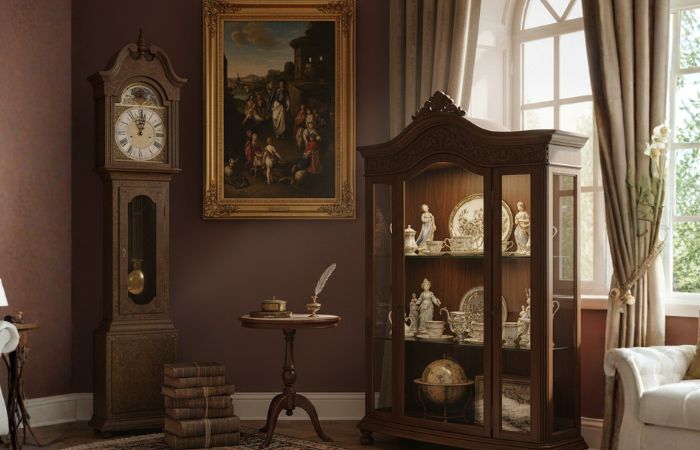
A pendulum clock that has marked the hours of a kitchen.
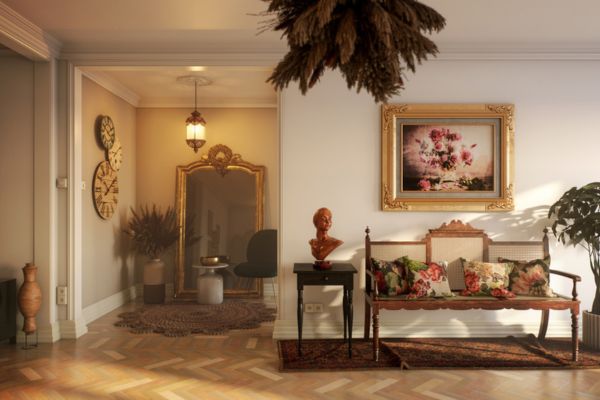
A slightly worn mirror in front of which generations of women have prepared themselves.
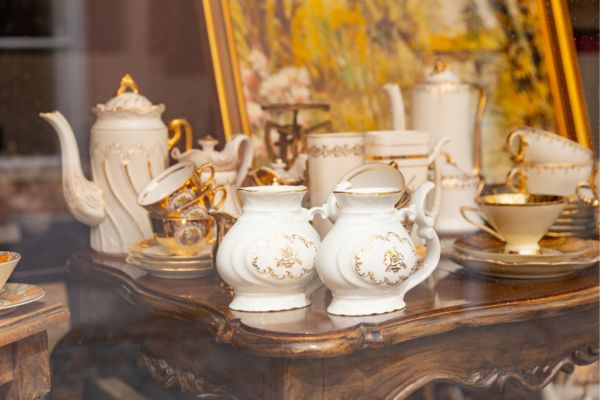
A porcelain service that was only taken out at Christmas, with an almost ceremonial care.
A travel trunk, full of labels and departures, which today no longer contains clothes but memories.
These are objects that become “family heirlooms” not because they were purchased with a formal act, but because they have been lived with. Because they have been present. And in the end, almost without realising it, they have become witnesses.
Objects that speak: the house as an archive of emotions
I have often entered houses where antiques were not an aesthetic choice, but a natural presence. Houses where antique furniture were not “showpieces”, but companions in life.
In a living room, a walnut sideboard with a small scratch on the edge.
“It was my grandfather,” the lady accompanying me said, smiling.
“When I was a child, I used to climb on it to get biscuits, and he would pretend to be angry.”
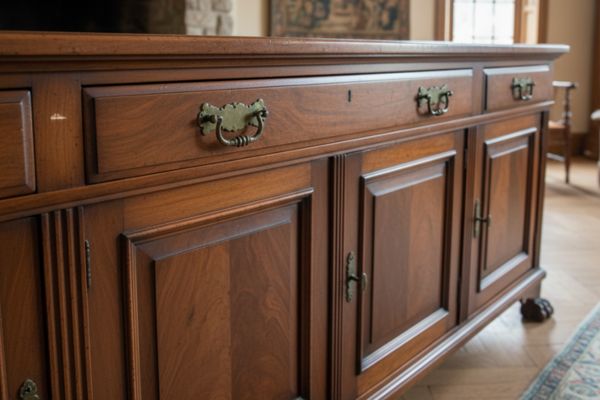
That scratch, which for someone would have been a defect to be restored, for her was a signature. A proof. A page of family history.
That is why, when we talk about antiques, we must remember one fundamental thing: patina is not just wear and tear, it is life.
The beauty of imperfection: patina as memory
There is a word that has an almost poetic meaning in the world of antiques: patina.
It is that surface slightly worn by time, that soft tone of wood that cannot be imitated, that discreet shine that comes from hands that have touched, dusted, moved, lived.
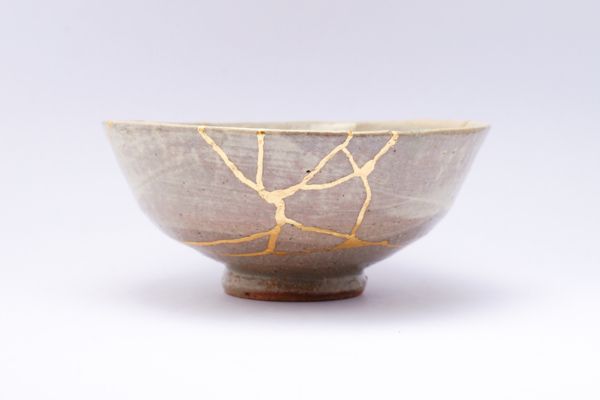
Many seek the perfect object. But often it is precisely the imperfection that makes it authentic. A small crack, a mark on the marble, a slightly faded gilding… these are not always defects. Sometimes they are proof that that object has passed through history, and not just the market.
And when an object belongs to family memory, that patina takes on an even deeper meaning: it is time that has left its mark, just as it does on people.
The delicate moment: when you inherit a house full of things
There is a situation that I know well, and that many people experience with a mixture of nostalgia and confusion: entering the house of parents or grandparents after a loss, and finding it full of objects.
Every piece of furniture seems to say something.
Every drawer holds a story.
Every ornament has a meaning, even if we no longer remember it.
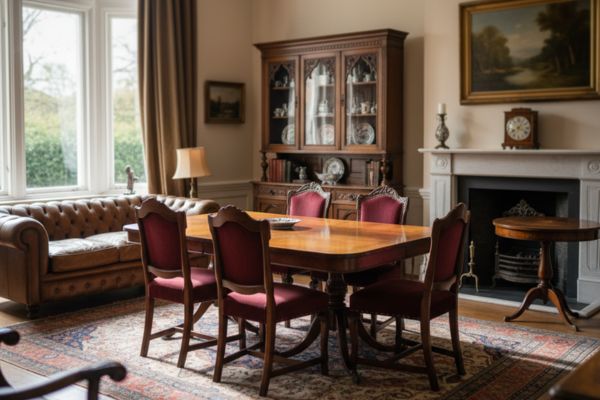
And there a difficult question arises: what to keep, what to let go?
It is not a simple choice. Because often there is a fear that separating from an object means separating from the person who owned it. As if the memory depended on a chair, a vase, a clock.
But the truth is that memory is not lost with objects. Memory lives within us. Objects, if anything, help it to resurface.
And sometimes, choosing to let go of a piece does not mean betraying family history. It means giving it a new path.
When selling is not “giving up”, but giving continuity
In my work I often meet people who feel guilty at the idea of selling a family piece of furniture. As if that gesture were an abandonment.
But antiques, if we look at them with wider eyes, teach us something important: objects pass through generations precisely because they change homes.
An 18th-century chest of drawers, for example, has rarely remained in the same place for centuries. It has changed hands, travelled, been chosen, kept, loved. And in each of those houses it has had a new life.
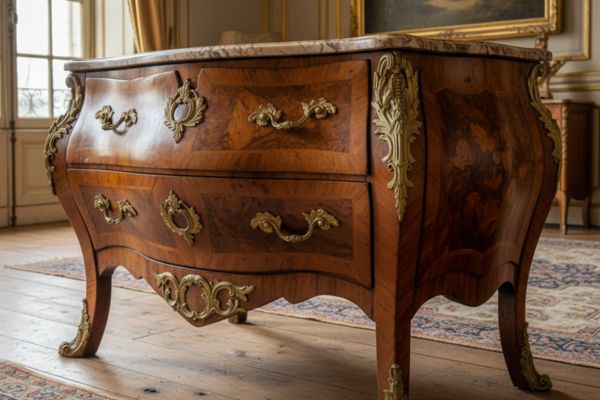
Selling an antique object, when done with respect and awareness, does not mean erasing a memory. It means allowing that object to continue to tell its story.
And sometimes, it is even an act of care: because an important object deserves someone who knows how to preserve it, enhance it, protect it.
Antiques as a story: you don’t just buy a piece of furniture, you buy a piece of time
There is a reason why an antique object fascinates us more than a new one, even when the new one is perfect and shiny.
The new is mute.
The old, on the other hand, seems to speak.
When we observe an antique desk, we don’t just see the wood. We imagine handwritten letters, ink, decisions made in silence. When we look at a display cabinet, we think of important lunches, occasions, moments when that house was dressed “for a party”.
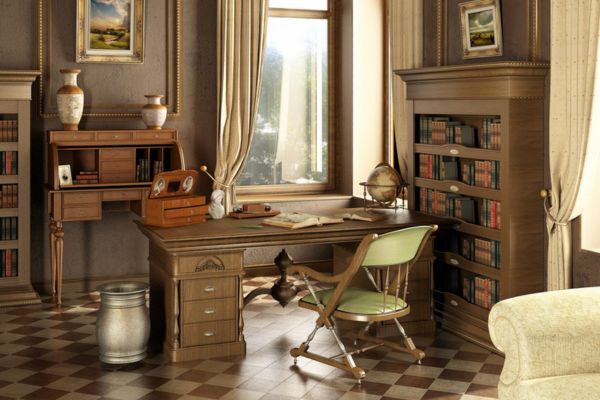
We like antiques because they put us in touch with something that is missing today: the feeling of long time, of time that flows slowly and leaves traces.
And perhaps, in a world that is running, this is one of the deepest reasons why we continue to love these objects.
Small objects, big memories
It is not only large pieces of furniture that become emotional legacies. Often it is the small objects that hold the most powerful memories.
A sewing box.
A snuffbox.
A jewellery box.
A slightly oxidised silver frame.
A book with a dedication.
An old rosary.
A tea set with a chipped handle.
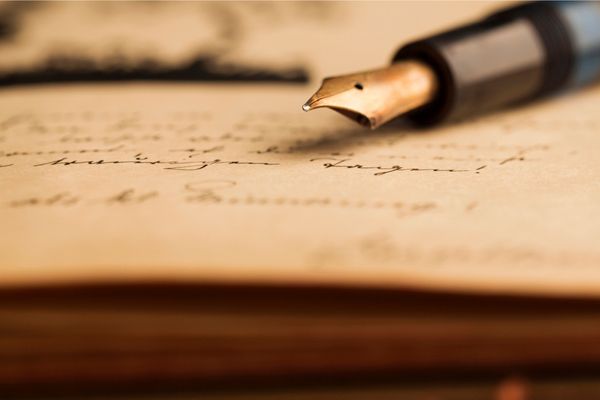
Objects that may not have great commercial value, but that have enormous emotional value. Because they have been present in intimate, daily, repeated moments.
And in repetition there is real life.
The question I am asked most often: “Do you think it’s worth anything?”
It is a question I hear almost every day.
“Do you think it’s worth anything?”
And I, with great sincerity, often answer: it depends on what you mean by value.
If we are talking about economic value, we need competence, comparison, analysis, market.
If we are talking about emotional value… then yes, it is worth a lot.
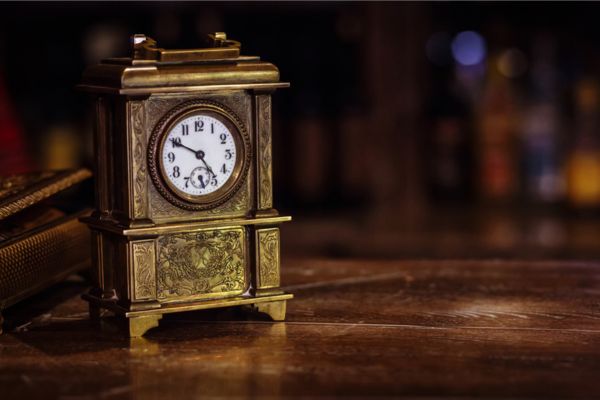
Because the object that has accompanied a family for decades is already precious. Even if it is not rare. Even if it is not signed. Even if it is not perfect.
Antiques are not just the art of recognising what is expensive. It is the art of recognising what is authentic.
And authenticity, when it meets memory, becomes something much bigger.
How to take care of an emotional legacy (without turning it into a museum)
A common mistake is to think that an antique object should be “untouchable”. Many end up locking it in a room or covering it with a cloth, as if it were fragile or sacred.
But the truth is that many antique objects were born to be used. Of course, with care, but used.
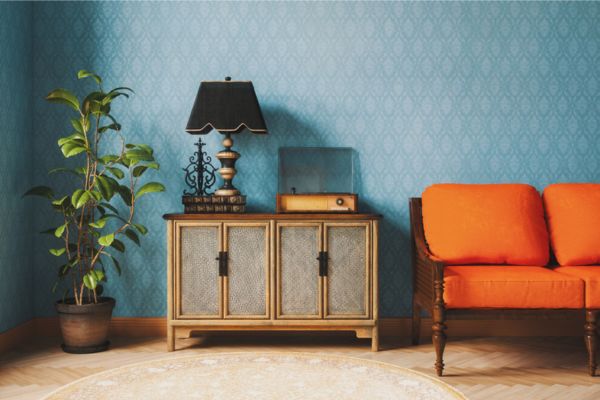
An antique table, if well maintained, can still host dinners and conversations.
A sideboard can still hold glasses.
An armchair can still be the favourite place to read.
Indeed: an object that continues to live also keeps its history alive.
Antiques are not made to be frozen. They are made to be handed down.
The role of a serious antique website: to accompany, not to judge
When a person approaches antiques, they often bring emotions with them: nostalgia, doubts, fears, enthusiasm.
That is why a serious point of reference should not only sell or buy. It must know how to listen.
Behind a piece of furniture or a collection there is almost always a family story: a move, an inheritance, a change of life, a delicate choice.
Our job, as professionals, is to treat those objects with respect. Not only because they are old, but because they are part of a human journey.
And when you work like that, trust is born naturally.
An object is not just the past: it is also the future
There is a thought that often accompanies me: antique objects have survived because someone considered them important.
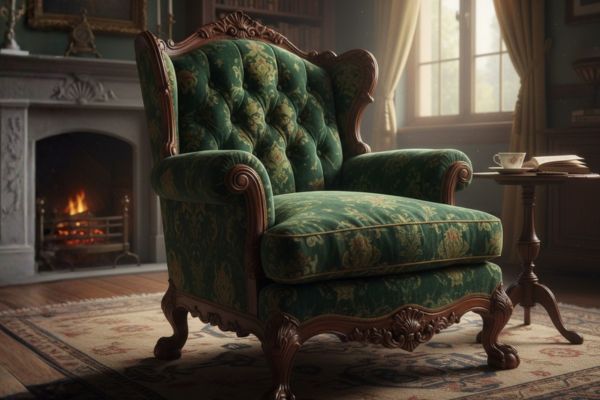
Someone protected them.
Someone dusted them.
Someone chose them.
And today, when an object comes into our hands, we become the next link in the chain.
We are temporary custodians, not absolute owners.
And this is a beautiful, almost comforting concept: it means that the things that are truly meaningful do not end. They only change history.
Antiques as a gesture of love
In the end, antiques are not just a market. It is a language. A way to talk about memory, family, identity.
Every time we touch an antique piece of furniture or observe an object with a history behind it, we are making a small but powerful gesture: we are recognising value in the past.
And not for sterile nostalgia, but for respect.
Because some things are not made to be forgotten.
They are made to be handed down.
And if it is true that people leave, it is also true that certain objects remain. And they remain not as simple things, but as discreet presences, capable of making us feel, even if only for a moment, that a part of that story continues to live with us.
After all, this is the heart of antiques: memory taking shape.
And when an object becomes an emotional legacy, it no longer belongs only to a house. It belongs to a story. And that story deserves to be kept with the same care with which a dear memory is kept.