
By Alessandro Moretti, Journalist specializing in antiques – Updated: 3 Mar 2026
30+ years of experience in telling the stories of rare objects and private collections.
This guide reflects direct experience from visiting collections, auctions, and galleries across Europe over the last 15 years.
Antiques have always been synonymous with charm, history, and beauty, but when we talk about “investment,” myths and misconceptions often arise. Many believe that buying an antique object is a shortcut to easy profits, or that any valuable piece can generate a profit over time. The reality, as any serious enthusiast knows, is much more nuanced. Investing in antiques requires passion, expertise, and persistence, and above all, a conscious approach based on first-hand experience.
In this article, we will debunk the most common myths about antiques as an investment, illustrating practical strategies, valuation criteria, and real-world approaches that allow you to combine a love for history with economic potential. I will guide you step by step, sharing true stories and practical advice gathered over decades of work in the field.
The Myth of Guaranteed Profit
Many novice collectors believe that any antique object automatically increases in value over time. This is a persistent myth. The truth is that not all antique objects have the same potential. The increase in value depends on several factors: rarity, provenance, condition, and documentation.
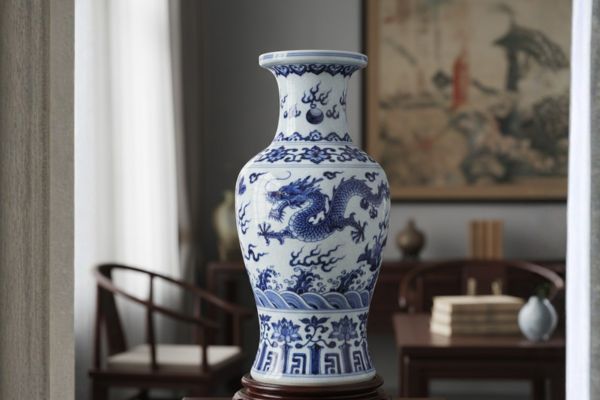
For example, an 18th-century Chinese vase with a certificate of authenticity and a documented history can become a profitable investment, while a mass-produced vintage lamp will hardly exceed its initial purchase price. Even small details, such as the artist’s signature, original decoration, or the type of material, can make all the difference.
Practical tip: Before buying, always verify authenticity and provenance, consult experts, and attend auctions to understand the real market. Relying on online information or current trends can be risky and lead to costly mistakes.
What Makes a Piece Truly Valuable
The true value of an antique object is measured by its rarity, documentation, condition, and history.
- Rarity: Unique items or limited productions are naturally more sought after by collectors.
- Documentation: Catalogs, certificates, and archives increase the object’s credibility and the potential for economic appreciation.
- Condition: Original preservation and documented restorations affect the final price.
- Object’s History: Provenance from famous collections or citations in academic texts make the object more desirable.
Concrete examples from European auctions show how a rare piece, even if little known to the general public, can far exceed the value of common, highly publicized items. Accurate documentation and direct, in-the-field knowledge are essential: observing, photographing, and analyzing every detail helps build a solid history for the object, increasing its reliability and authority.
Table 1 – Evaluation Criteria for an Investment Object
| Aspect | What to Consider |
|---|---|
| Rarity | Limited productions, unique pieces |
| Provenance | Certificates, archives, famous collections |
| Condition | Original, documented restorations |
| Market Demand | Collector interest, recent auctions |
| Documentation | Catalogs, proofs of authenticity |
Time and Active Management
Another myth is that it’s enough to buy an antique and leave it in the attic, waiting for its value to increase. Antiques require active management and constant attention. Visiting auctions, following international markets, and checking the authenticity and condition of objects are fundamental steps for a serious investment.
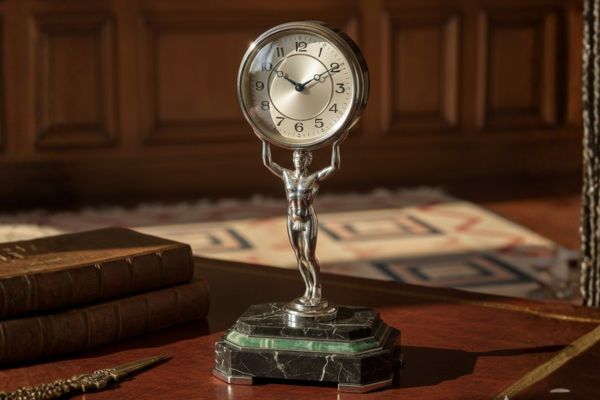
First-hand experience: Over the last 15 years, I have personally followed auctions in London, Paris, and Milan, monitoring price trends and observing which objects truly increase in value. Documenting each piece with photos and detailed notes is crucial, not only for a future sale but also for understanding the object’s history and provenance.
Practical suggestion: create a digital archive of your items, with photos, certificates, and notes on the purchase context. This enhances authority and facilitates future management.
Sources and Consultations
Many inexperienced collectors rely on advice from friends or online trends, but the antiques market is highly specialized. Forums, social media, and blogs can provide partial or misleading information. Relying on certified experts, recognized antique dealers, and art historians is crucial.
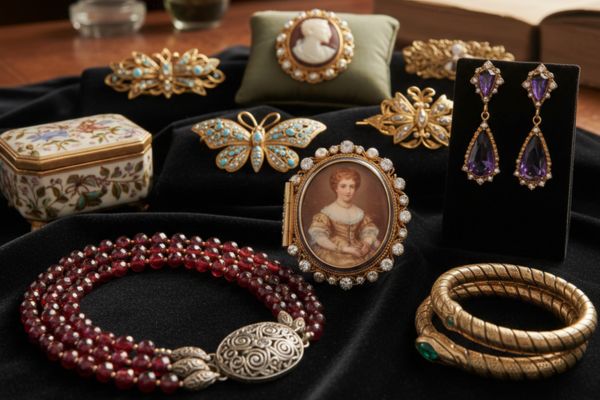
First-hand note: During visits to auctions in Paris, I noticed that collectors with expert consultants obtain more accurate valuations and better auction wins. Human supervision and direct experience cannot be replaced by algorithms or viral trends.
Types of Investment in Antiques
There are several categories with different potentials:
- Paintings: from historical to contemporary artists with certified documentation.
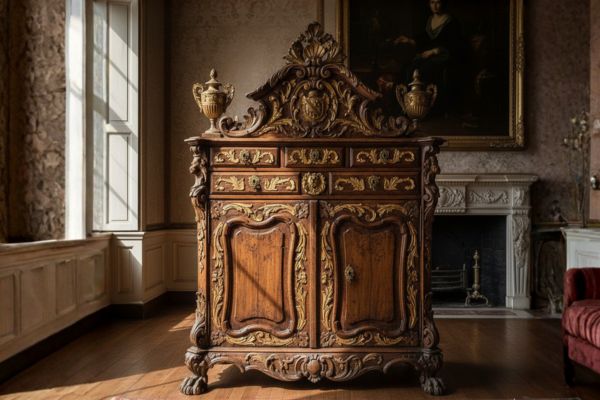
- Furniture: originality, period, and provenance determine value.
- Ceramics: unique pieces or items from a thematic collection.
- Clocks and scientific instruments: rarity and functionality.
- Rare books: first editions, signatures, or historical annotations.
The choice of category depends on personal interests, financial means, and knowledge of the sector. Market analysis and historical trends help identify which pieces have real growth potential.
Risk Management and Awareness
As with any investment, managing risk is fundamental.
- Avoid scams and fakes by verifying documentation, certifications, and provenance.
- Diversify your investment across multiple categories of objects, instead of betting everything on a single piece.
- Constantly stay updated on the market: participating in auctions, fairs, and exhibitions helps to understand real values.
Conscious management increases both financial security and personal credibility as a collector.
Passion and Collecting
An approach motivated by authentic passion is the best ally for investing in antiques. Genuine interest allows you to choose valuable pieces, understand their history, and care for them properly.
Stories and anecdotes: collectors who follow their passion have often made more profitable investments because they know how to recognize rare objects and assess their cultural context. Historical knowledge of the object also enhances the ability to communicate its value to potential buyers.
International Market and Networking
The antiques market is global. Building reliable contacts with galleries, auction houses, and collectors is essential to access rare pieces and obtain correct valuations.
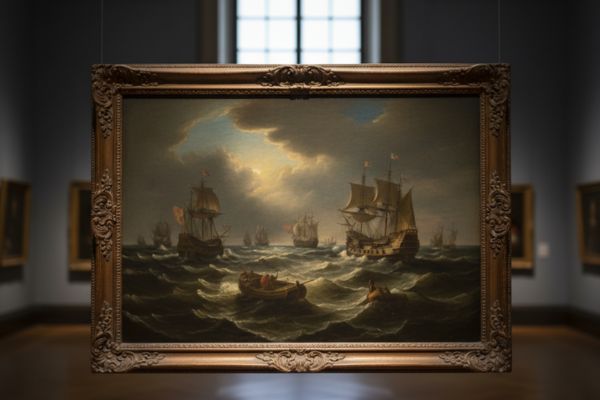
First-hand experience: by participating in fairs across Europe, I have observed how a network of contacts influences the success of acquisitions and the ability to resell objects securely. Networking and relationships with experts increase an investor’s authority and visibility.
Antiques as an investment is not a shortcut to quick profits. It requires experience, knowledge, patience, and a network of reliable contacts. Those who approach it with method, passion, and accurate documentation not only protect their capital but also enrich their culture and understanding of historical heritage.
Investing in antiques also means passing on stories, experiences, and culture, enhancing objects that tell the story of the past. The key is to combine passion, expertise, and attention to detail: in this way, every investment becomes an asset, not just financially, but culturally as well.
FAQ
1. Which antique objects have the greatest investment potential?
Rare objects with documented provenance and a verifiable history: paintings by lesser-known but authenticated artists, rare books, antique clocks, or unique scientific instruments. Condition and certification significantly increase their value.
2. How can I verify the authenticity of an antique object?
By consulting certified antique dealers, industry experts, historical archives, and official auction catalogs. Detailed photos, certificates of provenance, and historical documentation are essential to reduce the risk of fakes.
3. Are antiques a safe investment?
There is no guaranteed profit. The value depends on rarity, documentation, condition, and market demand. A conscious approach and active management of the objects increase the chances of success.
4. Is it better to buy at auction or from galleries/private sellers?
Both options have advantages: auctions allow you to compare real market prices, while galleries and private collections offer authenticity and documented rarity. The choice depends on the type of object and your own experience.
5. How important is first-hand experience?
It’s fundamental. Visiting fairs, auctions, and collections allows you to assess rarity, condition, and authenticity with a trained eye, increasing confidence in your purchases and the ability to make informed choices.
6. How should I preserve an antique object to protect its value?
Complete documentation, careful cleaning, controlled climate conditions, and original preservation are essential. Restoring without certification can reduce the object’s value and credibility.
7. Can I turn my passion into a profitable investment?
Yes, by combining passion with expertise. Genuine interest helps in recognizing valuable objects, while market knowledge, documentation, and a network of contacts make the investment effective and secure.