

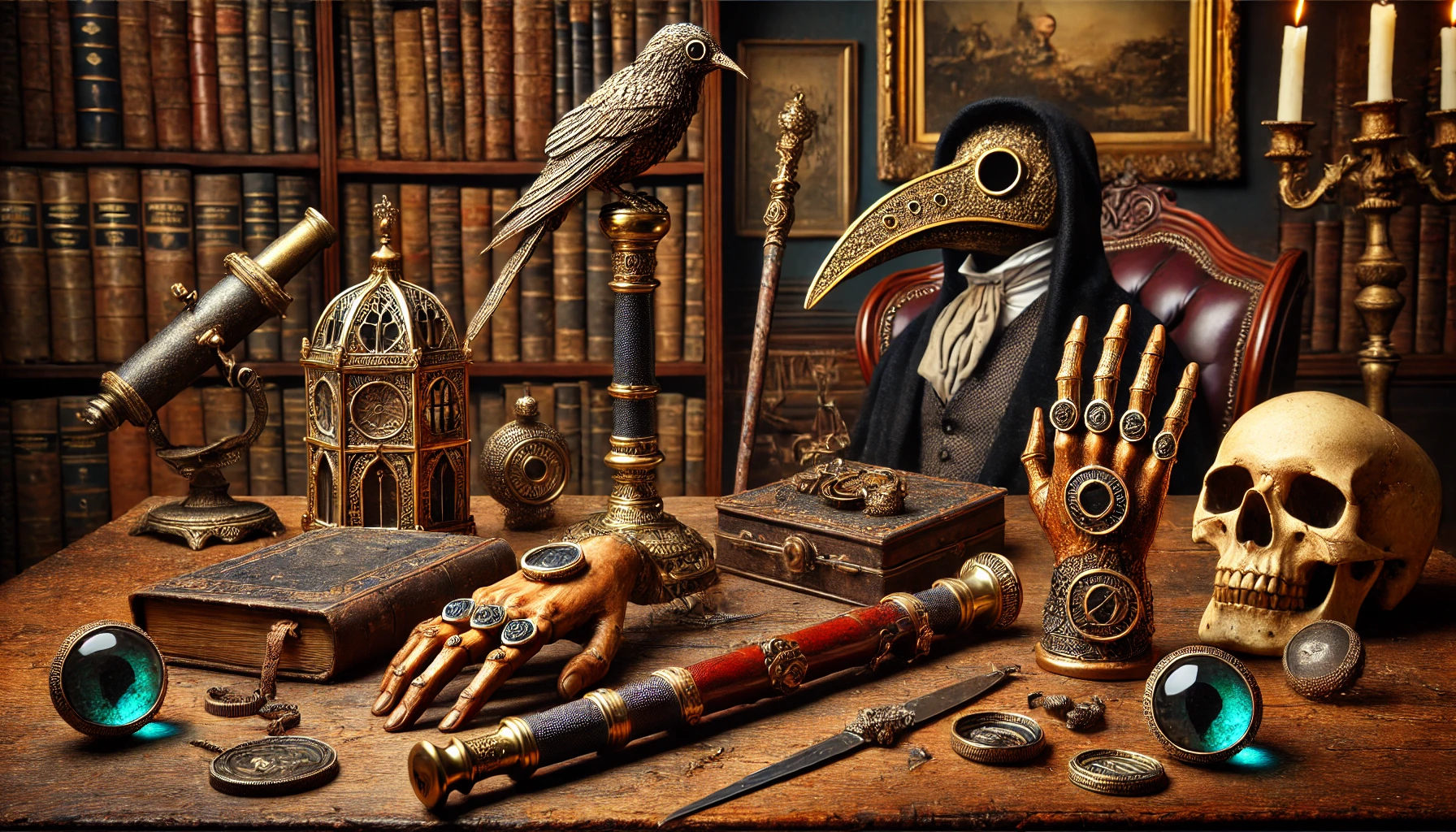
The antiques market is a fascinating universe, brimming with unique objects that tell incredible stories. However, not all antique pieces are known for their elegance or refinement. Some are so unusual that they perplex even the most seasoned collectors. Despite their strangeness, these objects can fetch exorbitant prices due to their rarity and historical significance. In this article, we will explore some of the most peculiar and curious antiques ever sold, examining the reasons for their incredible value.
The Sword Cane: The Charm of 19th-Century Self-Defense
In 19th-century Europe, personal safety was a significant concern, and one of the most popular accessories among gentlemen of the time was the sword cane. Seemingly a refined cane made of ebony or walnut wood, it concealed a thin, sharp blade inside, ready to be drawn in case of danger.
Some models were embellished with silver or ivory handles, featuring secret opening mechanisms that allowed the sword to be unsheathed in an instant. Today, these sword canes are highly sought after by collectors of antique weaponry and can reach values exceeding €5,000, depending on the quality of the craftsmanship and the state of preservation.
Plague Doctor Masks: Icons of a Dark Era
The masks worn by physicians during the plague epidemics of the 17th century are among the most unsettling objects in medical history. Their design, characterized by a long beak filled with aromatic herbs, was intended to filter the air and protect the wearer from contagion.
These masks, often made of leather and metal, are now extremely rare. The few original examples that exist are primarily found in museums, but when one of these masks was put up for auction, its price exceeded €30,000, demonstrating how coveted they are by collectors of historical artifacts.
The Mummified Hand with Gold Rings: The Macabre Meets Luxury
One of the most bizarre objects ever sold in the world of antiques was a mummified hand adorned with gold rings and precious stones. Likely belonging to a nobleman or member of the aristocracy, this macabre relic was found in an ancient tomb and subsequently sold at auction.
Although its authenticity was confirmed, the purchase of a mummified hand raised ethical questions among art historians and antiques experts. However, this did not prevent it from being sold for over €40,000 to a private collector.
Wallpaper with Poisons: A Hidden Danger
In the 19th century, some wallpapers were produced with pigments containing arsenic, a toxic substance that, over time, could release harmful vapors into the air. This detail was discovered only decades after their production, when numerous cases of poisoning raised doubts about the safety of these materials.
Today, some of these vintage wallpapers are considered rarities and, despite their toxic past, are sold as collectibles. An original roll of wallpaper with arsenic, dating back to the 1850s, was auctioned for around €15,000, proving that even the dangers of the past can have value for history enthusiasts.
A Pirate’s Spyglass: Between History and Legend
Objects related to the world of piracy have always held great appeal for collectors. One of the rarest ever sold was a spyglass that belonged to a real pirate of the 18th century, found in a shipwreck off the coast of the Bahamas.
Decorated with brass engravings and carved bone details, this navigational instrument was a unique piece, still perfectly functional despite the centuries spent at the bottom of the sea. Sold for over €100,000, it has become one of the most sought-after objects by maritime history enthusiasts.
The Cursed Chess Set: Reality or Suggestion?
Stories of cursed objects have always fascinated collectors and scholars of esotericism. One of the strangest concerns an 18th-century chess set that belonged to a noble European family. According to legend, every owner of this chess set was supposedly struck by a series of inexplicable misfortunes until the object was sold.
When it was put up for auction, some buyers hesitated to buy it for fear of its dark reputation. However, a well-known collector of esoteric artifacts purchased it for €70,000, stating that he did not believe in superstitions.
Conclusion
The world of antiques is full of surprises and unusual objects, capable of blending history, charm, and strangeness. Whether they are instruments of self-defense from the past, relics of dark eras, or artifacts linked to mysterious legends, these objects represent not only unique collectibles but also testimonies of a past that continues to intrigue and fascinate.