

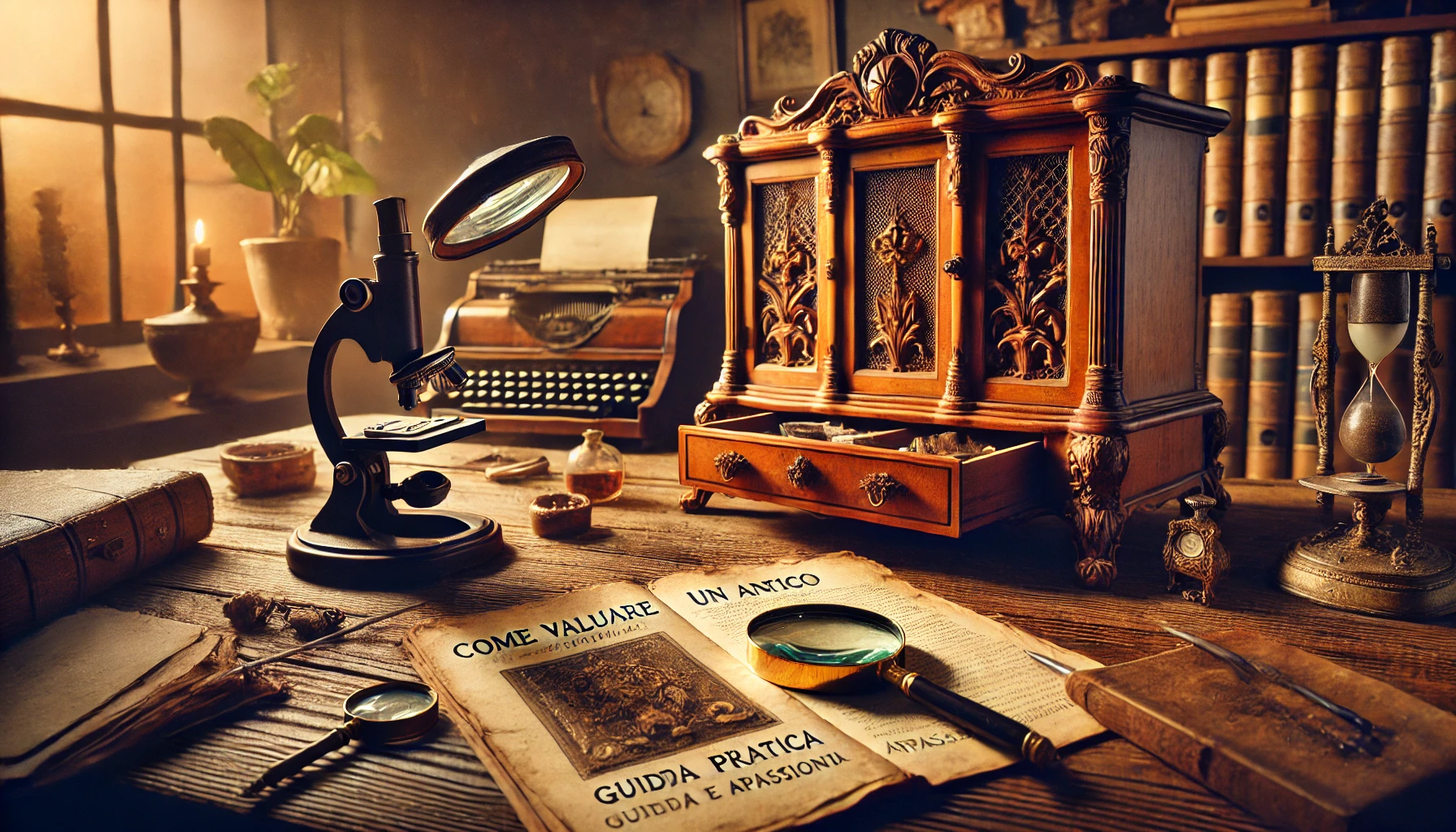
Purchasing antique furniture can be a captivating experience, but for the uninitiated, distinguishing an authentic piece from a reproduction can be challenging. An accurate appraisal requires attention to detail, knowledge of materials, and the craftsmanship techniques used in various eras. In this guide, we will explore the key aspects to consider when recognizing the value of antique furniture and making an informed purchase.
- The Importance of Materials and Construction TechniquesThe materials used can provide valuable information about a piece of furniture’s age. Authentic antique pieces are made with high-quality solid woods such as walnut, oak, mahogany, and cherry. Additionally, until the 19th century, nails were handmade and irregular, while animal glue was preferred over modern adhesives. If a piece of furniture has uniform metal screws and synthetic glue, it is likely a reproduction.
- Signs of Age: Patina and Natural WearAn antique piece of furniture should exhibit consistent signs of wear. Patina is one of the most important elements: it is the specific oxidation of the wood that develops over time and gives it a warm and lived-in appearance. Be wary of surfaces that are too uniform or shiny: they may have been treated to appear older than they actually are.
- Joint and Craftsmanship TechniquesAssembly techniques vary depending on the historical period. For example, dovetail joints in antique furniture were handmade, with irregular and not perfectly symmetrical lines. If they appear uniform and precise, they were likely made with modern machinery. Observing the inside of drawers and the joints can offer valuable clues about the furniture’s authenticity.
- Original Hardware and DecorationsOriginal handles, hinges, and locks add value to antique furniture. In authentic pieces, these components show signs of natural oxidation and are often fixed with period nails or screws. If the hardware appears new or inconsistent with the rest of the furniture, it may have been replaced, or the furniture may be a reproduction.
- Provenance and CertificationsIf possible, it is always useful to gather information about the furniture’s history. Provenance documents, authentication certificates, and expert appraisals can confirm the originality of a piece. A reliable antique dealer should be able to provide details about the furniture’s history and valuation.
Conclusion
Appraising antique furniture requires a keen eye and a good understanding of past craftsmanship techniques. By carefully observing materials, joints, signs of age, and provenance, it will be easier to distinguish an authentic piece from a modern copy. If you are a beginner, relying on industry experts or visiting specialized fairs and markets can help you develop a more critical eye and make more informed purchases.