

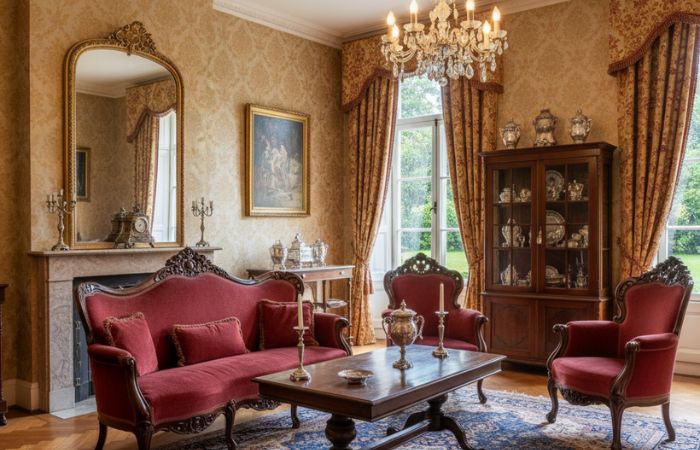
There are houses that tell stories without needing words.
Every room, every corner, every piece of furniture has a silent voice that speaks of hands, gestures, and eras that preceded us. Living with antique furniture means opening the door to a world made of history, emotions, and craftsmanship. It’s not just about furnishing: it’s about inhabiting time, dialoguing with what has passed through decades or centuries, and bringing a sense of harmony into everyday life that only the antique can offer.
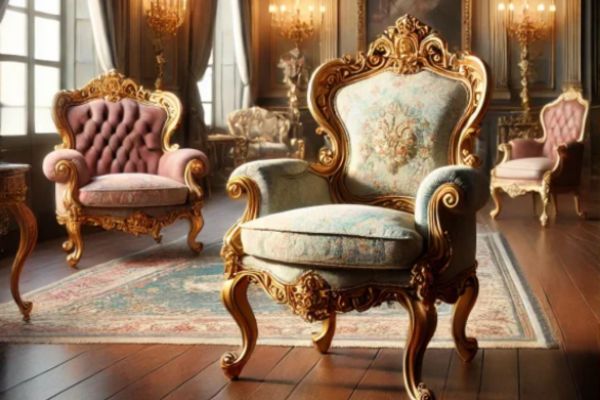
After many years spent observing private collections, rare furniture, and historical pieces, I have learned that every object has its own soul. The patina of the wood, the marks left by time, the small imperfections, the engravings, or the sculpted details tell stories that go beyond simple economic value. Those who choose to live with antique furniture do so not only for aesthetic taste, but for emotion, memory, and connection with history.
The invisible charm of antique furniture
An antique piece of furniture is not just a container. It is a witness to the past. An 18th-century sideboard, with the wood slightly worn by the hands of those who used it, can speak of hurried breakfasts, family laughter, and moments of daily intimacy. Every scratch, every small dent is a sign of life, an imprint of history.
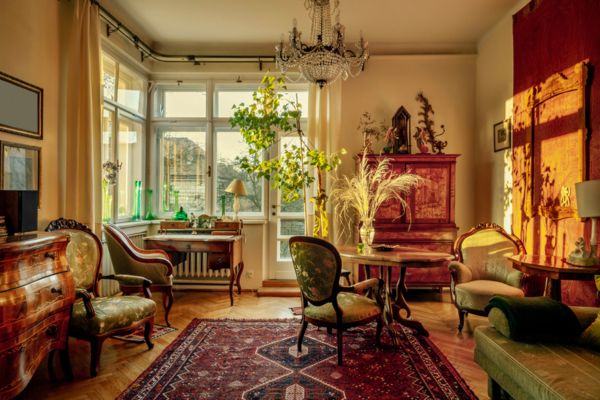
This is the magic of the antique: while modern furniture can be perfect and uniform, historical pieces carry with them traces of life lived, become custodians of invisible memories and, at the same time, enrich the space with authentic emotions.
Living next to an antique piece of furniture means learning to look with different eyes. Imperfections are not defects, but proof of the time and history that the piece has gone through. Every detail tells a story, every smoothed edge speaks of hands that lived before us.
Harmony between antique and modern
One of the most frequent fears of those approaching antiques is that antique furniture may be bulky or difficult to fit into a modern home. The reality is that, with a little attention, antique furniture can create harmonious contrasts with contemporary furnishings.
Imagine a solid wood table from the 18th century in a minimalist kitchen: the robust structure and warm patina transform the environment, becoming a focal point of the room. Or a chair inlaid next to a modern armchair: two eras that dialogue, creating a surprising balance.
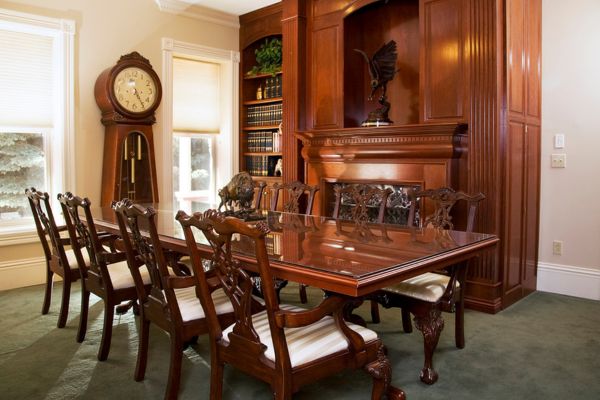
The antique is never in conflict with the present: it is a life companion that enriches spaces, enhances the decor, and adds depth and personality to the home.
Daily care: a ritual of respect
Living with antique furniture also involves responsibility. The wood, lacquer, finishes, and sculpted details require regular care and maintenance. This is not a burden, but an opportunity to connect with the history of the object and develop a sense of attention and respect.
Polishing a desk, gently cleaning a sideboard with natural products, checking that humidity and light do not damage the wood: these are gestures that transform maintenance into a small daily ritual. Each gesture becomes an act of love towards the past and attention towards the present.
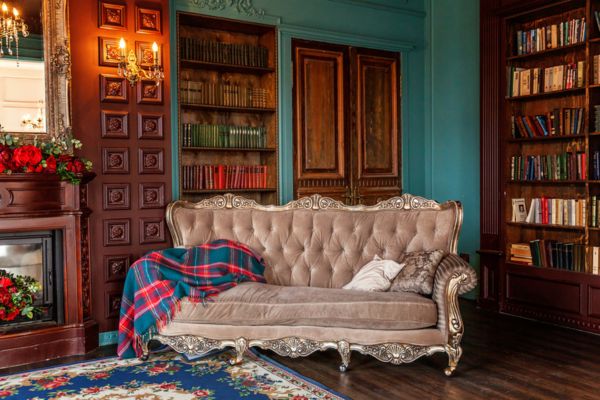
Those who live with the antique learn to take care of the space, to observe the details, and to value time. Every act of care is a way to transmit respect to future generations, preserving the object and its history.
The emotions of collecting
Collecting and living with antique furniture is a deeply emotional experience. The joy of discovering a rare piece, the satisfaction of completing a room with carefully chosen furniture, the pleasure of knowing the history that accompanies each object: all this makes daily life richer and more meaningful.
Collecting is not an investment in itself. It is an act of passion, a way to value time, memory, and craftsmanship. Every piece of furniture purchased becomes part of life, not just of the space. Every day, opening a drawer or leaning on an antique table, one perceives the continuity between past and present.
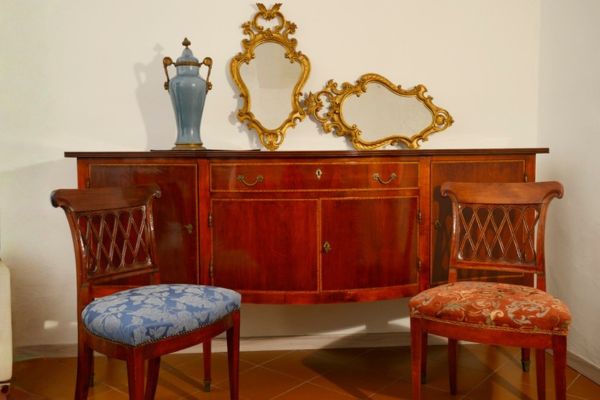
Living with antique furniture also means learning to enjoy slowness, to slow down the frenetic pace of everyday life, to pay attention to the small things, and to develop a sense of gratitude towards the beauty that surrounds us.
Small daily challenges
Of course, living with antique furniture also involves some practical challenges. Spaces may be smaller, the layout requires attention, and some structures may not be as immediately functional as modern ones. However, these challenges become precious lessons, teaching care, patience, and respect for quality.
Every difficulty overcome — whether in transport, arrangement, or maintenance — is accompanied by a unique satisfaction: that of inhabiting a space that tells stories, that breathes history, and that transmits emotions every day.
The importance of details
What makes an antique piece of furniture truly special are the craft details. Inlays, carvings, bronze handles, gilding, and engravings: every detail tells the dedication and mastery of the craftsman who created it.

Living next to these details means cultivating an attentive gaze, learning to appreciate the manual labor, the precision, and the creativity that are not found in industrially produced objects. Every day, a detail can capture attention, stimulate curiosity, and create emotion.
Antique furniture and home atmosphere
Antique furniture has the power to transform the atmosphere of a home. It’s not just a matter of aesthetics: it’s a matter of energy, warmth, and identity. A solid wood sideboard in an entrance, a sculpted table in the dining room, an upholstered armchair in the living room become emotional landmarks, places where the house comes alive and tells a story.
The antique creates harmony because it establishes a dialogue between space and object, between past and present. Those who live with antique furniture learn to value light, layout, and contrasts, creating environments that speak of culture, sensitivity, and personal taste.
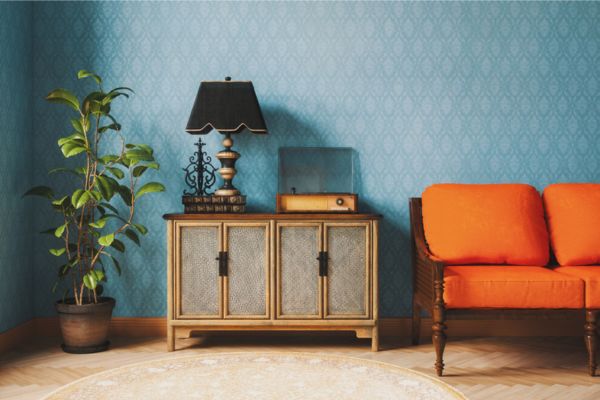
Digital and the world of antiques
In recent years, digital has also changed the way we live with and buy antique furniture. Online platforms and digital catalogs allow you to discover rare pieces that were previously only accessible to those who frequented fairs or specialized markets.
However, digital does not replace the real experience. The magic of antique furniture remains tangible, visible, and perceptible only when you live with it. Online platforms, however, offer the possibility of telling the story of each object, showing details, patinas, restoration, and provenance, helping collectors make informed choices and emotionally connect with the pieces they desire.
The sustainability of the antique
An often overlooked but profoundly significant aspect is sustainability. Living with antique furniture means giving new life to what already exists, reducing consumption and waste. It means respecting craftsmanship, history, and the environment.
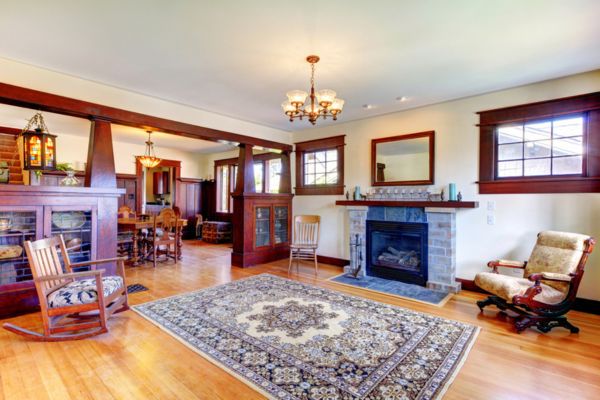
The antique is not only beautiful: it is responsible. Every piece of furniture we choose to buy and preserve contributes to a more conscious world, where attention to time and quality prevails over mass production. Living with antique furniture is therefore also an ethical gesture, which combines passion, culture, and sustainability.
Living with harmony and awareness
Living with antique furniture is not just furnishing a house: it is inhabiting history, cultivating emotions, and creating harmony in everyday life. Every piece of furniture tells stories, transmits sensations, enriches spaces, and teaches us to observe the world with attention and gratitude.
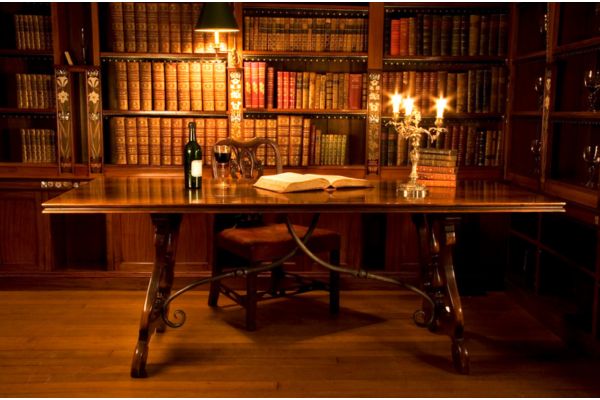
The antique, with its details, patinas, and signs of time, never stops talking. It offers a link between generations, a sense of continuity, and a life experience that goes beyond functionality or aesthetics. Those who choose to live next to an antique piece of furniture choose passion, respect, and authentic beauty.