

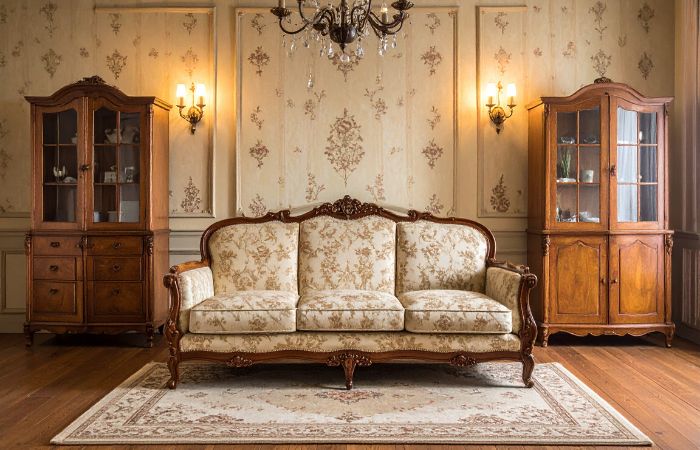
Stepping into a room where an antique rug is laid out or a centuries-old tapestry hangs is like opening a forgotten book. Not just any book, but one that holds stories and secrets within its pages, bearing the hand of the artisan and the breath of bygone eras. Each knot, each thread, and each color tells a life, a culture, an artistic choice that has been passed down through time.
It’s not just about decoration or investment. The charm of antique rugs and tapestries lies in their ability to speak to those who observe them, to evoke emotions, and to connect their owners to the past. It’s a silent dialogue, made of memory and poetry, and today I will guide you through the secrets of this world, through history, technique, and above all, passion.
Why fall in love with antique rugs and tapestries
Every antique rug we encounter is not simply a decorative object: it is a true witness to past eras, a guardian of stories and traditions that have spanned generations. Think of a 19th-century Persian rug: the slightly faded colors are not flaws, but imprints of time that tell of sun, of light filtered through windows, and of hands that have caressed it for centuries. The irregular weaves and small repairs made with care tell us of artisans who dedicated hours and days to each knot, and of families who welcomed it into their homes, a silent witness to moments of everyday life and special celebrations.
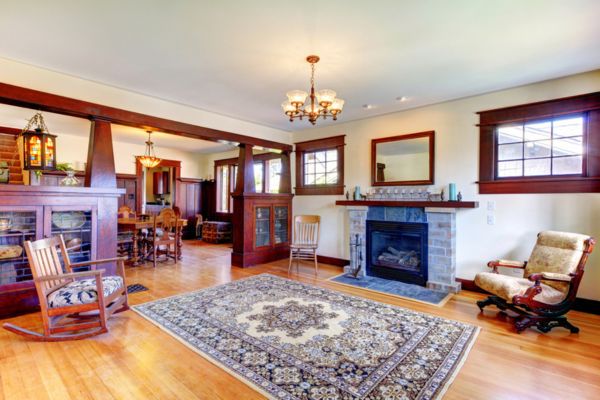
Antique tapestries, in the same way, offer a rich and complex visual narrative: precious threads patiently woven together create mythological, religious, or everyday life scenes, detailed with a precision that fascinates even those who observe them for the first time. Each piece preserves traces of its passages, of the restorations carried out with love, and of the care of the collectors who have preserved it. Owning an antique rug or tapestry means welcoming a fragment of history into your home, feeling the echo of the hands that created it and the breath of the generations that have preserved it, transforming textile art into an unparalleled emotional and cultural experience.
The emotional value of collecting
Many enthusiasts approach antique rugs and tapestries thinking about the investment, but soon discover that the real value is emotional. One falls in love with a piece not because it is rare or expensive, but because it speaks to the heart: it evokes memories, sensations, atmosphere.
When we observe a rug, we perceive the dedication of the person who made it, the history of the family that kept it, and sometimes even the small imperfections left by time and the passages of readers and owners. These are traces that make the piece alive, unique, and unrepeatable.
How to read an antique rug or tapestry
To truly appreciate an antique rug or tapestry, it is not enough to look at the colors or patterns. You need to observe how the threads intertwine, how the light passes through them, how the design tells a story.
The materials
The quality of the materials tells much more than one might imagine at first glance. Wool, soft and warm, not only gives resistance and durability to the fabric, but also preserves the memory of time: the hand of the artisan, the pressure of the loom, the way the thread has been patiently and carefully woven.
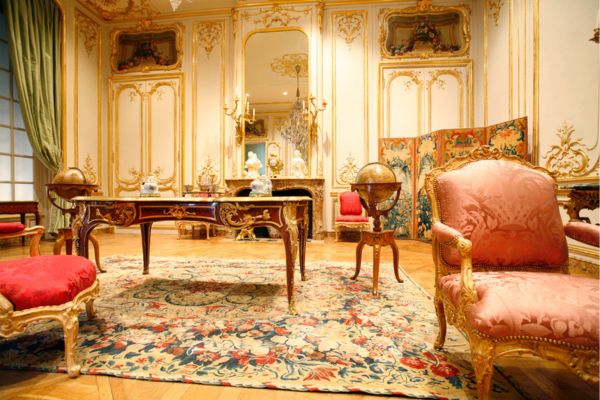
Silk, with its lightness and brilliance, illuminates the patterns and gives unparalleled elegance, capturing the light in ways that make every detail alive. Cotton, although more discreet, plays an essential role in supporting fabrics, offering stability without weighing down the complex weave. In tapestries, silk and metallic threads were carefully chosen to create plays of light, chromatic depth, and durability over time, giving each piece extraordinary charm and longevity.
Why materials speak
Carefully observing the materials means immersing yourself in the context of the era in which the piece was made. The choice of wool, silk, or metallic threads reflects not only the availability of resources, but also the aesthetic taste and cultural priorities of that period. It is a tangible testimony of how creativity and culture have intertwined with daily life: each color, each texture, each variation in consistency is a small secret revealed by the object itself.
An antique rug is therefore not just a decorative object, but a material account of history, art, and passion, capable of exciting those who know how to look with attention and respect. The materials thus become the silent language of those who created the piece, an invitation to observe, understand, and appreciate the depth of craftsmanship through the centuries.
The details and motifs
Each motif, design, and weave of threads tells a unique story. In Persian rugs, floral motifs and central medallions speak of distant cities and villages, reflecting local traditions and culture. In Caucasian rugs, bold geometries and intense colors evoke the strength and character of the communities that created them. In tapestries, epic or religious scenes come to life among precious threads, transforming each piece into a small visual theater.
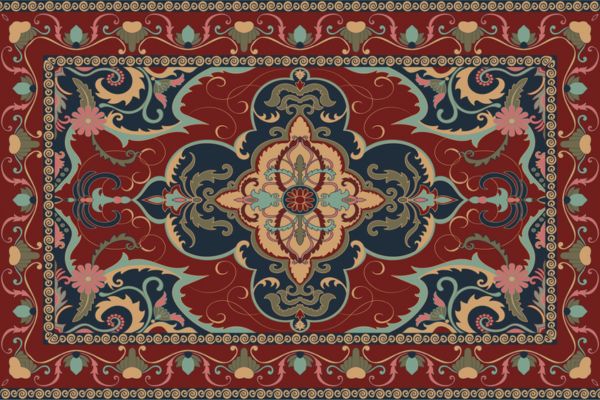
Observing these details means deciphering an ancient, often secret language, left by artisans for those who know how to look carefully. Each symbol, each variation of color and imperfection is a silent message that connects past and present, making observation a true journey through history.
The traces of time
The imperfections of an antique rug or tapestry are not defects, but authentic imprints of history. Slightly faded colors, carefully repaired threads, small irregular knots: every detail tells the life of the piece and the hands that created it.
These signs reveal passages from different eras, environments in which the fabric has been admired and trod upon, and the stories of those who have preserved it over time. Each imperfection thus becomes a silent dialogue between past and present, capable of transmitting emotion to those who observe. It is not just a decorative object, but a living fragment of memory, art, and culture that enriches those who own and contemplate it.
Tips for those wishing to purchase an antique rug or tapestry
Approaching the purchase requires attention, but also passion and curiosity. It is not just a matter of commercial value: it is an encounter with history and textile art.
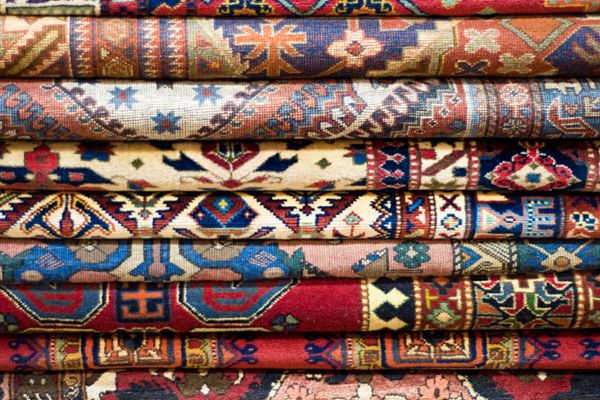
Reliable retailers
Relying on experienced professionals is essential. A competent retailer will be able to tell the story of the piece, guide you in the evaluation, and advise you on conservation. It is an educational path: you learn to distinguish the authentic from reproductions and you understand the language of threads and motifs.
Documentation and certifications
Asking about the provenance and any certifications increases the security of the purchase. Knowing where and when a rug or tapestry was made gives not only economic value, but also cultural and historical value.
Let yourself be guided by emotion
Do not neglect intuition. Sometimes the right piece is not the rarest or most expensive, but the one that excites us, that speaks to us, that seems to tell a story made just for us. Authentic passion is the true indicator of happy and conscious collecting.
Conservation and care of antique rugs and tapestries
An antique rug or tapestry is not just a piece of furniture: it is a page of history woven by hand, a silent story that spans generations. Each knot, each thread worn by time carries with it memories of distant places, of inhabited houses, of skilled hands. Taking care of them means entering into dialogue with the past, with respect and awareness.
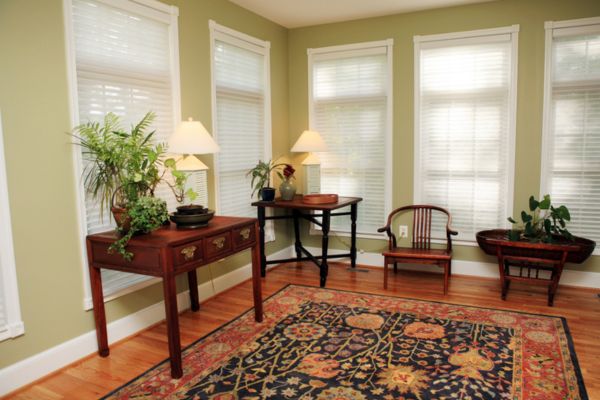
Daily attention, made of small gestures
The life of an antique fabric is delicate. Direct sunlight, for example, can slowly fade the natural pigments, extinguishing those shades that time had made unique. Humidity, on the other hand, is a silent enemy: it promotes mold and weakens the fibers, while excessive trampling consumes the most fragile points, often precisely those that tell the most.
Preserving a rug or tapestry means observing, moving gently, airing without exposing. Even cleaning, if regular and light, becomes a ritual of care: a way to remove dust without taking away the history.
The value of conscious restoration
There sometimes comes a time when time asks for help. An edge that frays, a weft that yields. In these cases, relying on experienced hands is essential. Restoration is not an attempt to bring the fabric back to a lost youth, but an act of listening: intervention is made to support, consolidate, preserve.
A good restoration respects the soul of the piece, follows its language, and preserves the traces of its life. On the contrary, overly aggressive interventions risk standardizing, erasing those imperfections that make each antique rug or tapestry unique.
Preserving memory
Taking care of these artifacts means, in the end, preserving a collective memory. It is a slow journey, made of attention and curiosity, in which every choice—from the placement in a room to the decision to restore—becomes part of their future history. And so, between past and present, the fabric continues to live.
The charm of collecting
Collecting antique rugs and tapestries means preserving stories, emotions, and memory. It is not just an investment: it is a cultural and emotional experience, a journey through eras, skilled hands, and creativity.
The pleasure of observation
Every time you look at a rug or tapestry, you enter into dialogue with the person who created it. You perceive the patience, attention, and sensitivity of the artisan. It is an intimate encounter that enriches those who observe and transforms an object into a travel companion in history.
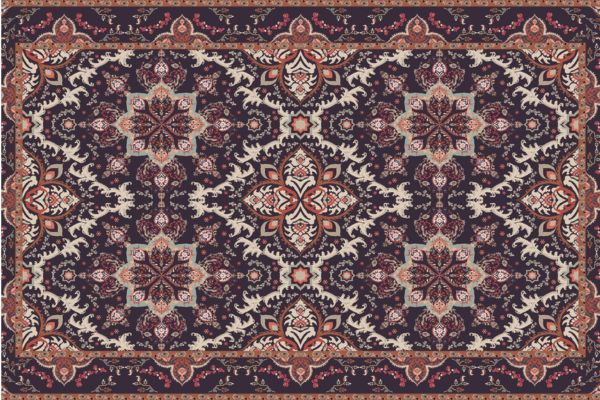
Each piece is unique
The imperfections, the shades of color, and the signs of time make each rug or tapestry a unique piece. The beauty lies precisely in the memory it holds, in the story it tells, and in the bond it creates with those who own it.
Buying an antique rug or tapestry is not just buying a precious object: it is entering a world of stories, cultures, and emotions. Every woven thread, every motif, every imperfection carries with it centuries of life and memory.
Relying on experts, observing carefully, respecting the history of the object, and letting yourself be guided by emotion are the fundamental steps to fully experiencing this experience. Because collecting antique rugs and tapestries means preserving a fragment of history, enriching your space, and continuing the dialogue between past and present.
And every time we cast our gaze on those intertwined threads, we feel not only the beauty, but also the soul of those who, centuries ago, created that work with passion and dedication.
Frequently Asked Questions about Antique Rugs and Tapestries
1. How do I recognize an antique rug?
Observe materials, knots, motifs, and signs of time such as fading or small repairs.
2. What are the main types of antique rugs?
Persian, Caucasian, and Turkish, each with motifs and colors typical of their region.
3. How do I preserve an antique rug?
Avoid direct light and humidity, clean gently, and move it with care.
4. Where is it best to buy?
From galleries or experienced retailers with certifications and documentation of provenance.
5. Is the value only economic?
No, the real value is cultural and emotional, linked to history and beauty.
6. How do I understand the age of a rug or tapestry?
Check the weave, materials, motifs, and natural signs of time.
7. Is restoration always necessary?
Only if there is obvious damage, and it must be done respecting the original.
8. Which materials are most precious?
High-quality wool, silk, and metallic threads in tapestries.
9. How do I choose the right piece?
Let yourself be guided by emotion and harmony with your home.
10. Why do defects increase the charm?
Signs of time and small imperfections tell the story and make the piece unique.