

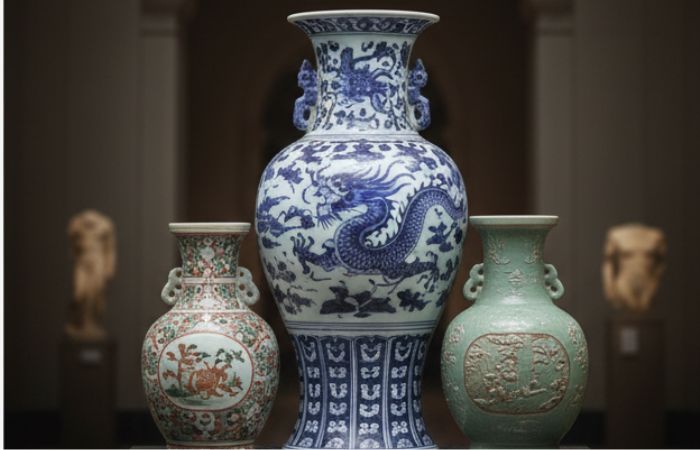
There are objects that do not speak, yet they tell stories.
They have no voice, but they preserve memory.
They have been there, still and silent, while the world changed around them.
A table that has supported trembling hands and loving hands.
A clock that has marked waiting, departures, returns.
A cupboard that has guarded simple dishes and family secrets.
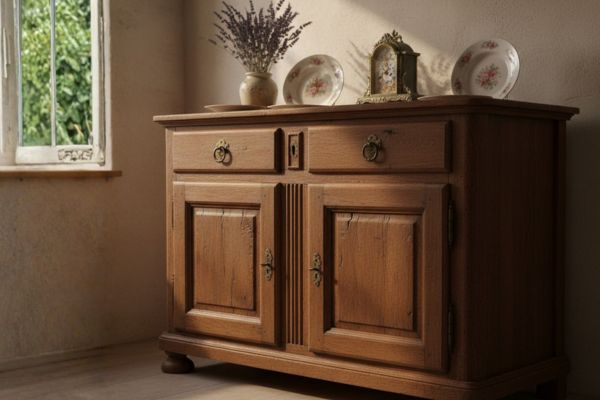
Antique objects are not just “old”: they are witnesses. They have seen history pass before them, often silently, while generations of human beings lived, hoped, made mistakes, started again.
Entering the world of antiques means accepting a rare invitation: listening to what time has decided not to forget.
The silent life of objects
An antique object is not born “antique”. It is born useful.
It was designed to serve, to last, to accompany daily life.
An 18th-century chest of drawers is not born to be admired under a gallery light: it is born to contain linen, letters, perhaps a trousseau. A chair is not born to be photographed, but to support a tired body. A mirror is not born to impress, but to reflect a face, day after day.
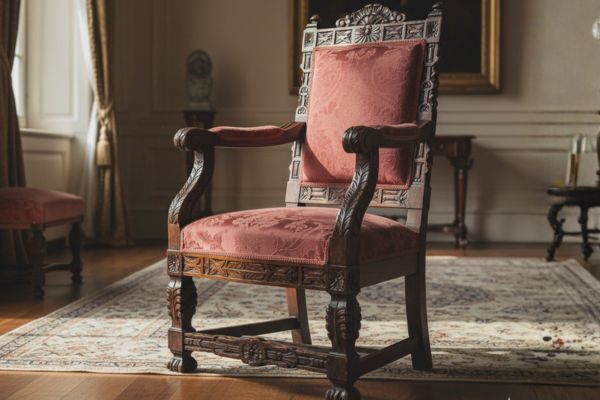
Over time, however, something extraordinary happens: the object survives the people who used it.
And so it becomes a silent witness of different eras, of changing styles, of habits that disappear. It is this survival that makes it precious. Not only for what it is, but for what it has been through.
Objects as material chronicles of history
Great history – wars, revolutions, reigns, collapses – often passes over objects without destroying them. Other times it touches them, marks them, modifies them.
A desk may have witnessed the signing of an important act or the drafting of a letter that was never sent. A dinner service may have gone through famines, periods of abundance, profound social changes. A painting may have changed wall, city, country, adapting to new contexts without losing its identity.
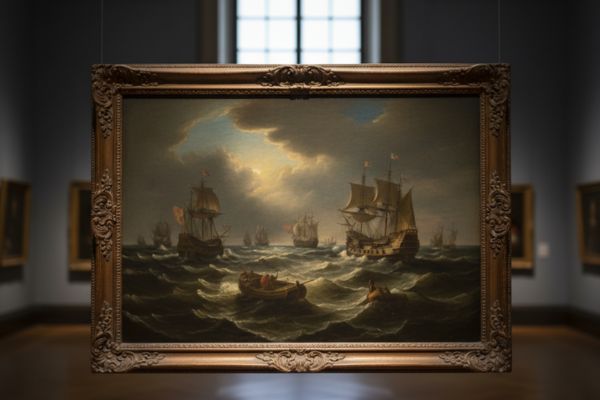
Antique objects are unwritten historical sources.
They do not tell with words, but with materials, with wear, with repairs, with imperfections.
A scratch is not a defect: it is an event.
A patina is not dirt: it is time that has settled.
The emotional value of collecting
Collecting antique objects is not accumulating.
It is recognizing oneself.
Collectors are not only looking for beauty or rarity: they are looking for a connection. An echo. A sense of continuity. Often, without realizing it, they are looking for an answer to the oldest question of all: where do we come from?
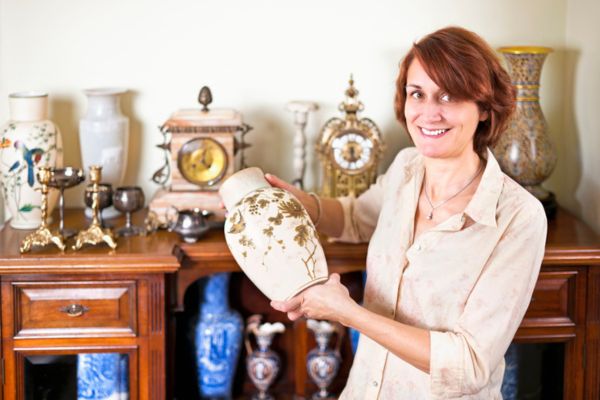
An antique object reminds us that we are not the first to live, to love, to suffer, to hope. It places us in a human chain longer than us. And this, paradoxically, is comforting.
There is a form of deep respect in conscious collecting: you don’t really own an antique object, you keep it for a stretch of the road. Before us it belonged to someone else. After us, it will continue its journey.
Beyond investment: the object as a cultural asset
In recent years there has been much talk of antiques as an investment. It is a real aspect, but incomplete. Reducing an antique object to a number means depriving it of its soul.
A piece of furniture, a painting, a sculpture are not only valuable for their market, but for their cultural value. They are tangible fragments of an artistic language, of a way of living in space, of a vision of the world.
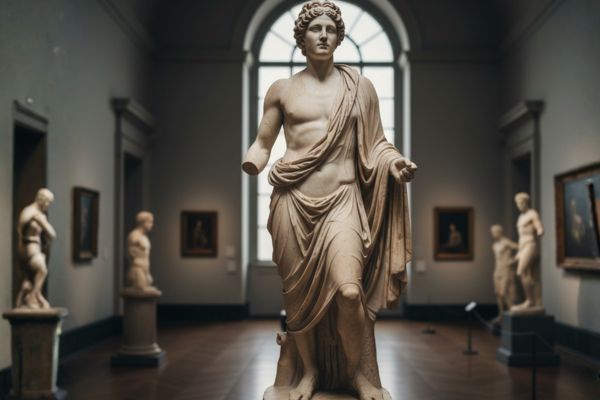
Every era has left precise traces:
in proportions, materials, decorations, functional choices. Studying and preserving antique objects means preserving forms of thought, not just aesthetic forms.
Homes as theaters of memory
Antique objects are born to live in spaces.
An old house was not a museum, but a living organism.
The rooms changed function during the day. The furnishings adapted to the seasons. The objects moved, were consumed, were repaired. Nothing was static.
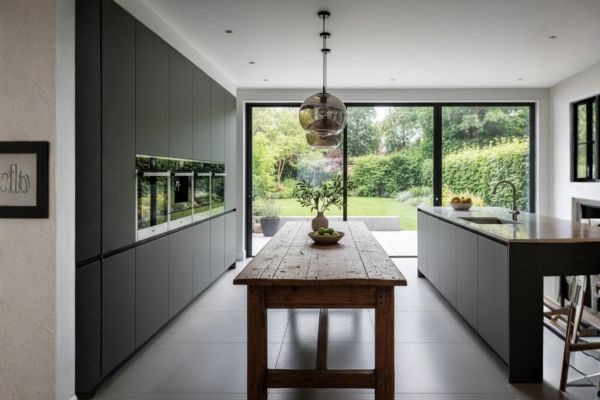
When we insert an antique object into a contemporary home today, an interesting dialogue takes place: the past is not imposed, it coexists. It brings depth, stratification, memory.
An antique table in a modern kitchen is not nostalgia: it is balance.
It is the sign that time does not have to be erased to move forward.
The hands behind the objects
Every antique object has passed through expert hands. Hands that knew wood, metal, stone. Hands that worked without haste, because time had a different rhythm.
Craftsmen, cabinetmakers, founders, decorators: often anonymous but fundamental figures. Their knowledge was practical, handed down, built on experience.
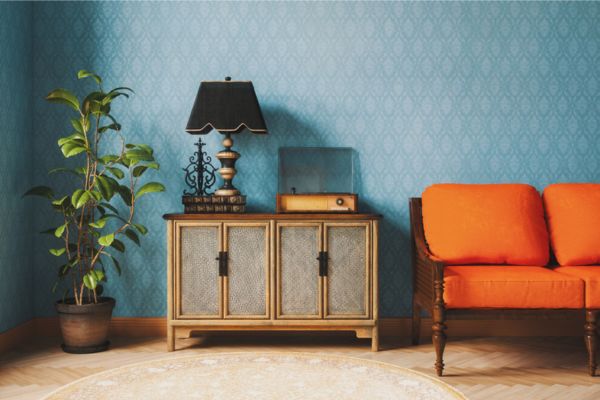
Respecting an antique object also means respecting who created it, even if we don’t know their name. It is an act of recognition towards a culture of doing that is now in danger of disappearing.
Imperfection as authenticity
In the contemporary world we are used to serial perfection. Everything the same, everything new, everything replaceable.
Antique objects, on the other hand, are unrepeatable.
They bear signs, asymmetries, small inconsistencies. And that is where their strength lies.
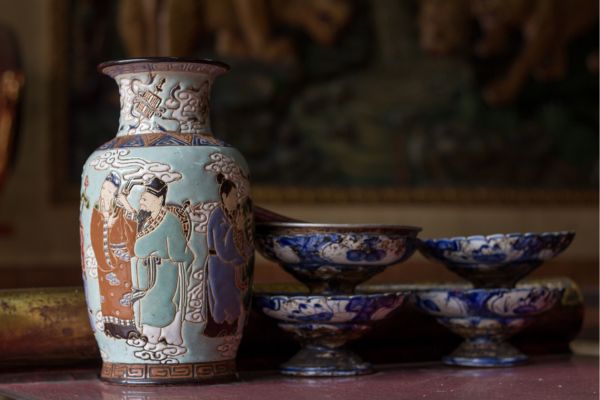
A respectful restoration does not erase time, it accompanies it. It does not rejuvenate the object, but preserves its dignity. Because an antique object should not look new: it should look real.
Objects that observe us
There is a fascinating thought: while we observe an antique object, perhaps it too, in a certain sense, observes us.
It has seen other faces before ours. It has lived in other contexts. And now it is here, in the present, reminding us that time is not linear, but stratified.
Owning – or simply encountering – an antique object is an experience that slows down. It forces us to stop, to look, to imagine. In an era of extreme speed, it is an almost revolutionary gesture.
Preserve, don’t consume
Antiques teach a fundamental lesson: things can last.
Not everything has to be replaced. Not everything has to be consumed until it disappears.
Preserving an antique object is an act of cultural responsibility. It means choosing continuity instead of rupture, memory instead of oblivion.
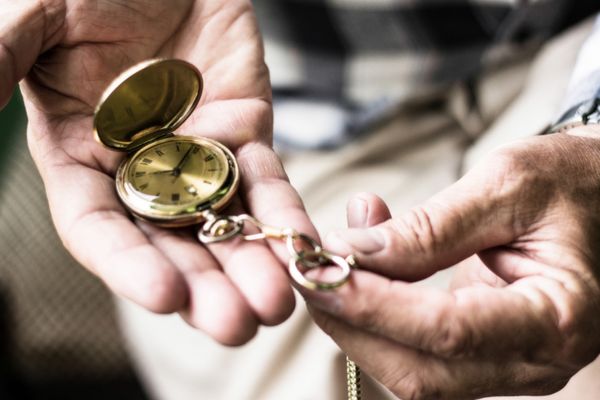
In this sense, antiques are not the past that returns, but the past that dialogues with the future.
Time as an ally
Antique objects that have seen history pass before them do not ask for noisy attention. They ask for respect, listening, care.
They are not in a hurry.
They know that time, in the end, is always an ally.
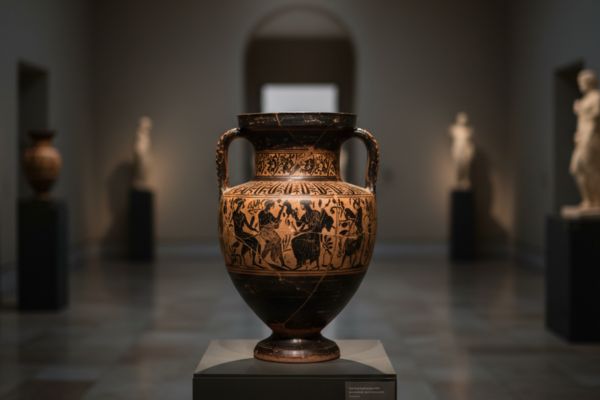
And perhaps that is why they continue to fascinate us: because, while everything around us changes, they remain. Discreet witnesses of what we have been. Silent companions of what we are. Patient guardians of what we will be.
FAQ
1. What is meant by antique object?
An antique object is generally a good with at least 100 years of age, made in a precise historical context and with artisanal or artistic characteristics that testify to its era.
2. What is the difference between antique, vintage and modern antiques?
- Antico: over 100 years
- Vintage: objects from the twentieth century, often the 20s–70s
- Modernariato: design and production of the post-war period
Each category has different value and charm, but they are not interchangeable.
3. How can I tell if an object is authentic?
Authenticity is assessed through materials, construction technique, style, patina and natural wear. Relying on an experienced antique dealer is always the best choice.
4. Does a restored object lose value?
Not necessarily. A correct and conservative restoration can preserve or even enhance an object. Invasive interventions, on the other hand, can reduce its historical value.
5. Are antique objects just an investment?
No. Their main value is cultural, historical and emotional. The economic aspect exists, but it should not be the only reason for buying.
6. How to take care of an antique object at home?
It is important to avoid direct light, humidity and temperature changes. A gentle and periodic cleaning is sufficient: it is better to avoid aggressive products.
7. Can I insert an antique object in a modern house?
Absolutely yes. Antique objects dialogue very well with contemporary environments, creating elegant and personal contrasts.
8. Is the patina a defect?
No, it’s the opposite. The patina is the sign of time and authenticity. Removing it can compromise the historical value of the object.
9. Where do antique objects come from?
They can come from private collections, historic houses, family inheritances or antique domestic furnishings. Each object has a unique story.
10. Why choose a professional antique dealer?
An antique dealer offers competence, transparency and guarantee, helping the customer to make a conscious choice that respects the historical value of the objects.