

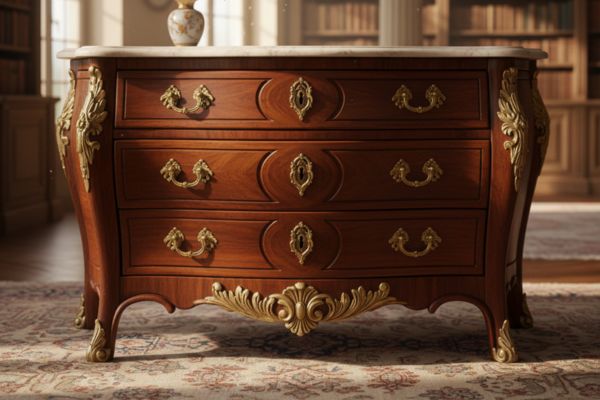
The Soul of Antique Furniture
Walking through the shelves of a historic house or the halls of a museum, you might stop in front of a piece of furniture that seems to have its own voice. Every scratch, every patina, every imperfection tells stories of hands that have touched, moved, and lived with that object. They are not just furniture: they are silent witnesses of past eras, cultures, and lived lives.
When approaching restoration or conservation, the first step is to understand that every antique piece of furniture holds a unique memory. It is not simply an object to be brought back to life: it is about engaging in a dialogue with history and with those who, before us, helped to write it.
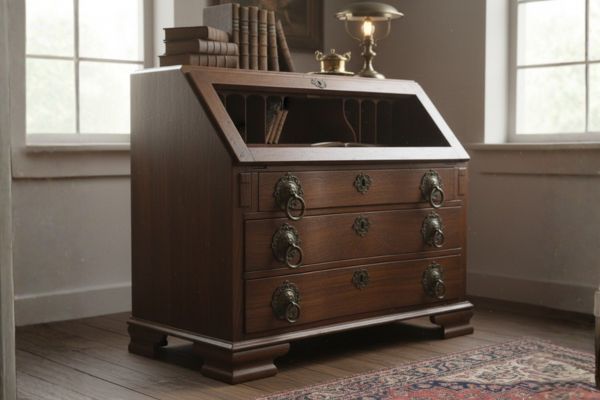
Restoration vs Conservation: Understanding the Difference
The terms restoration and conservation are often confused. Yet, there is a substantial difference between the two:
- Conservation: aims to preserve the object in its current state, slowing down natural degradation and respecting all traces of use and original elements.
- Restoration: involves more active interventions, with the aim of restoring functionality or appearance, but always without altering the history of the object.
| Aspect | Restoration | Conservation |
|---|---|---|
| Definition | Targeted intervention to restore functionality, aesthetics, or stability of a piece of furniture. | Maintaining the current state of the furniture, slowing down natural degradation without altering its history. |
| Main objective | Restore or improve appearance and functionality. | Preserve historical integrity and signs of time. |
| Typical interventions | Consolidation of joints, reintegration of missing parts, targeted cleaning, small aesthetic touch-ups. | Gentle cleaning, protection from light and humidity, prevention of damage or infestations, structural control. |
| Materials used | Compatible glues, waxes, oils, traditional restoration materials. | Natural or neutral products, without altering patina or original materials. |
| Visual result | More functional and aesthetically homogeneous furniture, but with documented interventions. | Intact furniture, with preserved patina and signs of time. |
| Frequency | When the furniture is damaged or needs functionality. | Continuous, as long-term preventive maintenance. |
| Approach to history | Documented interventions, minimally invasive, respectful of history. | No significant changes; history remains visible. |
| Example | Repairing a broken drawer or reintegrating missing inlays. | Gently cleaning the furniture and protecting it from light and humidity without altering its patina. |
It is important to understand this distinction because every intervention on an antique piece of furniture must have a clear motivation: to improve historical legibility without erasing the testimonies of time.
Listening to the Furniture: Observation and Analysis
Before touching any surface, it is essential to observe carefully. Each piece of furniture has unique characteristics: wood grain, types of joints, inlays, signs of wear, color changes due to time.
Some points to consider:
- Wood and finish: each essence reacts differently to light, humidity, and cleaning products.
- Joints and structure: check if there are loose or fragile parts before intervening.
- Signs of use: not all scratches or dents are defects; many tell the story of the furniture.
- Original patina: often it is the most precious sign of the age and authenticity of a piece of furniture.
Observing carefully also means documenting: photos, notes on the condition of the wood, any manufacturer’s marks or serial numbers. These details will be useful to guide future interventions and for any market evaluations.
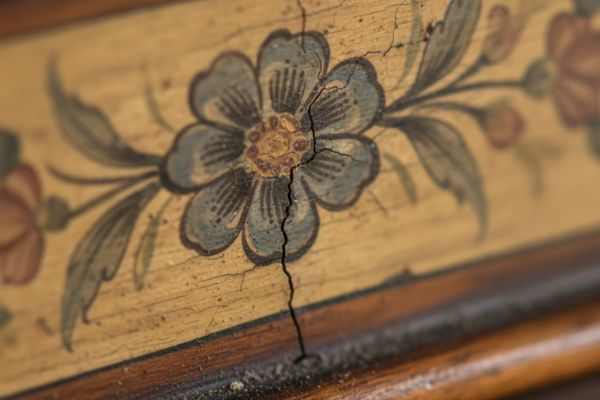
Conservation Techniques: Respecting Integrity
Conservation should always be the first option. The goal is to slow down natural degradation without modifying the original structure or appearance. Some practical tips:
- Gentle cleaning: use soft, slightly damp cloths, avoiding aggressive detergents.
- Protection from light and humidity: antique wooden furniture is sensitive to direct light and humidity changes; place them away from windows and heat sources.
- Pest control: wood-eating insects can irreversibly damage the wood; regular inspections and preventive treatments are essential.
- Correct handling: moving an antique piece of furniture without disassembling it can stress joints and hinges; it is best to always lift carefully and use soft supports.
Conserving does not mean ignoring small defects: on the contrary, the signs of time must remain visible, because they are part of the history of the furniture.
Ethical Restoration: When and How to Intervene
Restoration is necessary when a piece of furniture is unstable, has missing parts, or cannot perform its original function. However, every intervention must respect three fundamental principles:
- Minimal invasiveness: use only what is necessary to stabilize and protect.
- Compatibility of materials: prefer traditional glues, waxes, oils, or varnishes similar to the original ones.
- Traceability: document each intervention, indicating materials and techniques used, so that future restorers can understand the history of the interventions.
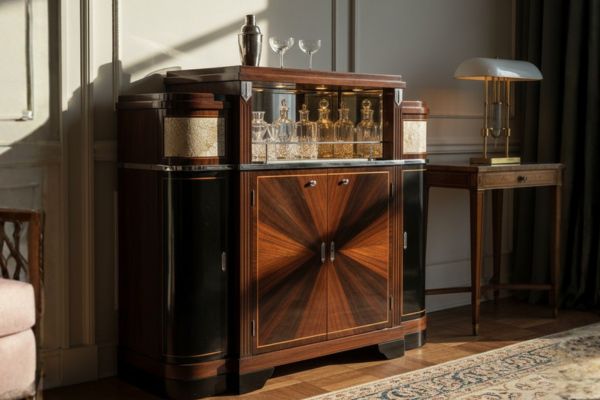
Examples of common interventions:
- Consolidation of loose joints with natural glues.
- Cleaning and reintegration of surfaces without removing original patina.
- Repair of missing inlays using compatible and visually distinguishable materials when observed closely, to maintain historical transparency.
The Beauty of Patina: Why It Should Not Be Removed
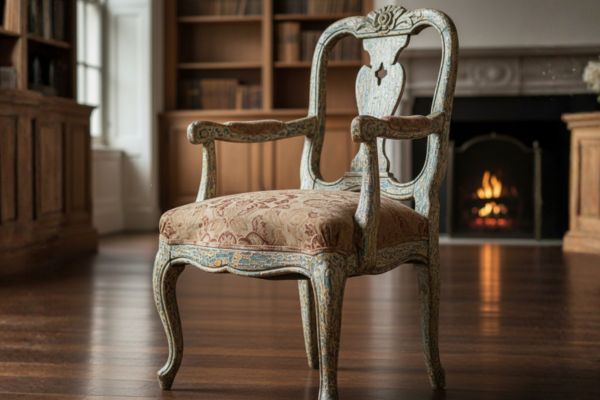
Many beginners, in an attempt to “rejuvenate” the furniture, remove patinas, stains, or small signs of wear. This is a serious mistake: the patina tells the use and age of the furniture.
The patina may include:
- Tones darkened by time and daily use.
- Slight oxidation of hinges or handles.
- Small superficial cracks in the wood.
Removing these signs means erasing history and reducing the authenticity and historical and collectible value of the piece.
Recommended Tools and Products
For those approaching conservation or restoration, here is a list of useful tools:
- Soft cotton or microfiber cloths.
- Soft brushes for dust and details.
- Specific natural oils and waxes for antique wood.
- Traditional glues compatible with aged wood.
- Delicate drills or screwdrivers for minimal disassembly.
It is important to avoid aggressive products, untested chemical detergents, or modern paints that alter color and texture.
Documenting the Work: The Memory of Restorations
Each intervention must be documented with photos and detailed notes, indicating:
- Initial state of the furniture.
- Materials used.
- Techniques applied.
- Notes on the decisions made and motivations.
This practice not only protects the furniture but adds historical and cultural value to the piece, allowing its future life to be reconstructed.
The Cultural and Emotional Value of Antique Furniture
Restoring or conserving also means transmitting emotions. An antique piece of furniture is not just wood and inlays: it is a fragment of history, a memory of those who lived in those environments.
When we intervene, we must ask ourselves:
- Am I respecting the history of this piece?
- Am I preserving the traces of the hands that used it?
- Am I creating a link between past and present for those who will look at it in the future?
Every intervention must be guided by respect, sensitivity, and awareness of the responsibility towards historical memory.
Case Studies: Furniture to Be Restored Without Betraying History
- 19th-century desk: the drawers had fragile joints and scratched surfaces. Intervention: consolidation with natural glues and cleaning with orange oil. Patina preserved, functionality maintained.
- 18th-century inlaid cupboard: missing inlays reintegrated with compatible wood, slightly distinguishable when observed closely, so as not to falsify history.
- Antique handcrafted chair: the hinges were rusty; replaced with traditional versions in compatible brass, without altering color or aesthetics.
Preventive Conservation: A Long-Term Approach
Prevention is more effective than restoration:
- Annual checks on humidity and temperatures.
- Treatments against wood-eating insects.
- Avoid prolonged exposure to direct light.
- Limit excessive movements and handling.
A properly conserved piece of furniture can last for centuries without invasive interventions.
Educating the Public: The Role of the Collector and the Restorer
Those who own antique furniture have an educational role: to explain to others why not all signs of time should be removed, how to recognize authentic patinas, which materials are compatible. Dialogue with experts and restorers is essential to avoid irreversible errors.
Sustainable and Responsible Restoration
Respect for history is combined with environmental responsibility: using natural and sustainable products reduces the impact on the environment and maintains compatibility with historical materials.
A Dialogue Between Past and Present
Every antique piece of furniture that we restore or conserve is a bridge between past and present. Our intervention must not erase stories, but accompany them. Patience, observation, and sensitivity are the keys to respecting the memory of objects.
Restoring is not just a technical act, it is a cultural and emotional gesture, a way to make furniture speak and allow their stories to continue to live.
FAQ – Restoration and Conservation of Antique Furniture
1. What is the difference between restoration and conservation?
Restoration involves targeted interventions to restore functionality or aesthetics, while conservation aims to preserve the current state of the furniture, respecting its history and traces of use.
2. How can I clean antique furniture without damaging it?
Use soft and slightly damp cloths, avoiding aggressive detergents. Natural products such as specific oils or waxes are ideal for nourishing the wood without altering patina and finishes.
3. Is it necessary to replace scratches or imperfections?
No. Scratches and small imperfections tell the story of the furniture and contribute to its authenticity; they should be preserved, not erased.
4. How can I protect antique furniture from light and humidity?
Avoid direct exposure to windows and heat sources, maintain stable humidity and temperature, and use rugs or supports that protect the base of the furniture.
5. Which materials are recommended for restoration interventions?
Prefer natural glues, waxes, and traditional oils compatible with antique wood. Avoid aggressive synthetic products or modern paints that alter color and patina.
6. How to properly document a restoration or conservation?
Take detailed photos before and after the intervention, note materials, techniques, and motivations. This helps future restorers and enhances the history of the furniture.
7. Is it better to restore immediately or wait?
Always evaluate the condition of the furniture. Invasive interventions should only be done if necessary for stability or functionality; otherwise, preventive conservation is preferable.
8. How to recognize authentic patina from recent damage or stains?
Authentic patina is uniform, soft, and consistent with the age of the furniture, while recent stains are often shiny, localized, and not integrated with the surface.