

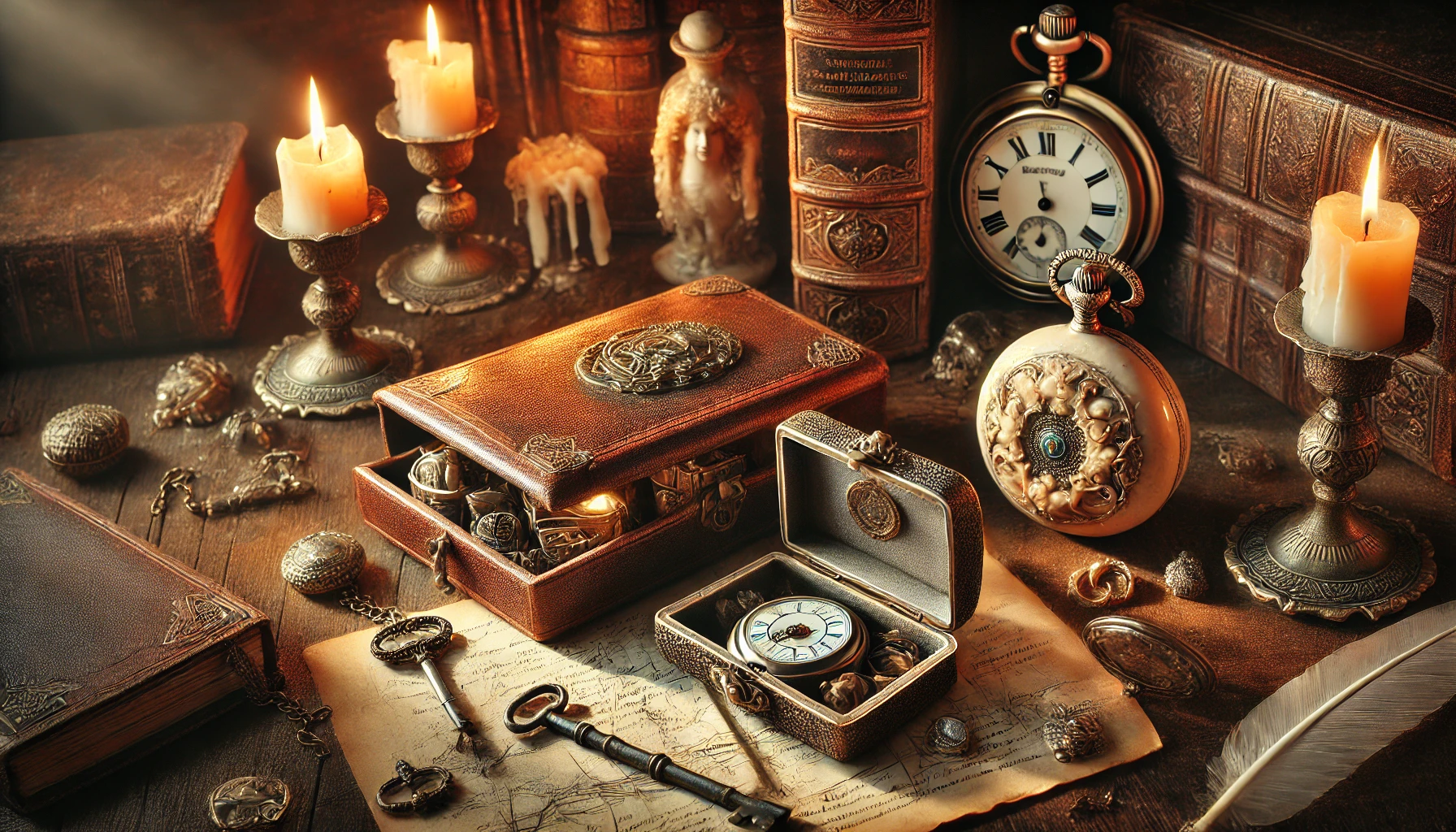
Antiques possess a unique soul, each with a story woven into their grains, engravings, and mechanisms. Some harbor unexpected secrets, while others encapsulate traditions and superstitions that continue to captivate collectors today. Join us as we uncover some of the most fascinating antique objects and the tales they hold.
- Double-Bottomed Chests
Many pieces of furniture from the past, such as trunks and chests of drawers, were crafted with secret compartments to safeguard confidential documents or money. In the 18th century, this practice was particularly prevalent among merchants and aristocrats who feared theft or scrutiny from authorities. Some of these chests had mechanisms so well-concealed that they were only discovered centuries after their creation.
- The Hidden Language of Fans
In the 19th century, ladies of European nobility used fans not only as elegant accessories but also as tools for secret communication. Through precise movements and positions, they could send messages of love or reject unwanted advances without uttering a single word. This secret code, known as the “language of the fan,” was particularly widespread in the courts of France and Spain.
- Coins with Concealed Messages
Some ancient coins were not merely for trade but concealed mysterious symbols or secret political messages. During periods of revolution or censorship, it was common to secretly engrave subversive slogans or recognition marks among members of secret societies onto coins. Today, some of these coins are extremely rare collector’s items.
- Rings with Secret Compartments
During the Renaissance and Baroque periods, rings with small hidden compartments were very common. Some were used to store poisons or perfumes, while others concealed secret messages. It is said that noblewomen and spies used these rings to carry encrypted letters or dangerous substances, making them true instruments of intrigue and mystery.
- Chairs with Unusual Mechanisms
Some antique armchairs and chairs featured hidden mechanisms that allowed them to transform or open secret compartments. Some models, called “convertible chairs,” could be used both for sitting and as folding ladders. Others were equipped with gears that allowed the armrests to be extended or the backrest to be tilted, anticipating modern multifunctional furniture.
Conclusion
Antiques are not just decorative elements or relics of the past; they are witnesses to bygone eras, hiding fascinating secrets and telling stories that are worth discovering. Each piece carries a fragment of history, ready to be unveiled by those who know how to look beyond its surface.