

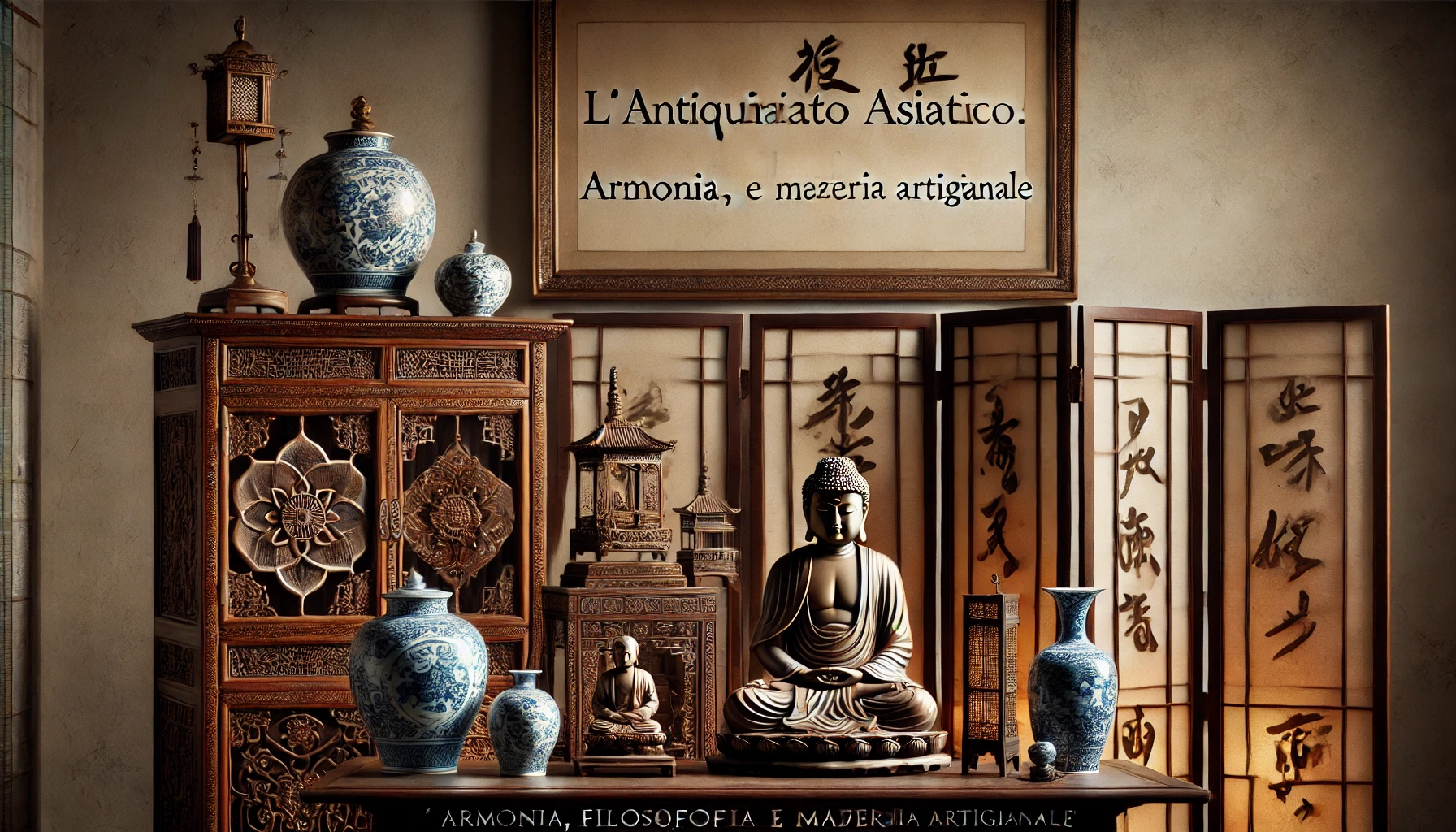
Asia has a millennia-old tradition in furniture and decorative arts, distinguished by its fusion of aesthetics, functionality, and deep cultural symbolism. Antique furnishings from China, Japan, and India are not merely decorative elements but narrate stories of dynasties, religious beliefs, and craftsmanship passed down through generations. Each artifact represents a perfect balance of form and function, crafted with refined techniques and the highest-quality materials.
1. Characteristics of Asian Antiquities
Asian antiques stand out for their stylistic diversity and meticulous attention to detail. Each country has developed a unique aesthetic, often inspired by nature and spirituality.
- Symbolism and Spirituality: Asian furnishings are often adorned with traditional symbols and motifs representing prosperity, longevity, protection, and harmony. The Chinese dragon, phoenix, lotus flower, and Hindu deities are among the most common.
- Premium Materials: Exotic woods such as rosewood, teak, and bamboo ensure durability and strength. These materials were chosen not only for their quality but also for their symbolic significance.
- Advanced Construction Techniques: Asian artisans perfected jointing methods without nails, ensuring stability and longevity. Mother-of-pearl inlays, deep engravings, and multi-layer lacquering are distinctive elements.
- Elaborate Decorations: From enamel paintings to gilded wood carvings, each piece of Asian antiquity is a work of art, enriched with calligraphic motifs, mythological scenes, and intricate geometric patterns.
2. Chinese Antiquities: Elegance and Tradition
China is renowned for its long history of fine furniture production, with styles varying according to dynasties and cultural influences.
- Ming Style (14th-17th century): Characterized by an essential and elegant design with clean lines, sophisticated joints, and minimal decoration. Ming furniture is functional and harmonious, often made from rosewood or elm.
- Qing Style (17th-20th century): In contrast to Ming sobriety, Qing style is more ornate, featuring intricate carvings, elaborate lacquers, and European Baroque influences. Qing furniture was reserved for nobility and high-ranking imperial officials.
- Lacquering and Decoration: The lacquering technique involved multiple layers of resin that, once polished, created glossy and resilient surfaces. Many lacquered pieces feature golden paintings depicting nature scenes, sacred animals, and geometric designs.
- Functional and Symbolic Furniture: Cabinets, desks, and screens were designed not only for practical use but also to express social status and spiritual beliefs. Imperial canopy beds, for instance, were richly decorated with prosperity and fortune symbols.
3. The Appeal of Japanese Antiquities: Simplicity and Harmony
Japanese aesthetics are based on the concept of wabi-sabi, the beauty of imperfection and natural simplicity, reflected in furniture and art objects.
- Modular and Functional Furniture: Tansu chests were designed for easy transport and disassembly. Various types exist, including maritime tansu used by merchants and kitchen tansu with hidden compartments.
- Use of Natural Materials: Japanese cypress (hinoki), bamboo, and rice paper are fundamental in traditional furniture, offering lightness and durability along with a delicate aesthetic.
- Distinct Architectural Elements: Sliding doors (shōji) and folding screens (byōbu) provided flexible room divisions. These elements were often decorated with landscape paintings or abstract patterns.
- Zen Influence: Japanese furniture avoids excessive ornamentation, favoring simple, harmonious lines that create a serene and meditative atmosphere.
4. Indian Craftsmanship: Opulence and Spirituality
India boasts one of the world’s richest artisanal traditions, with furniture and decorations renowned for intricate detailing and stylistic variety.
- Exquisite Woods and Elaborate Inlays: Teak, sandalwood, and mango wood are used for their durability and beauty. Inlays incorporate ivory, brass, and semi-precious stones, forming intricate and refined patterns.
- Hand-Carved Furniture: Wardrobes, beds, and trunks are often adorned with floral reliefs, geometric motifs, or religious scenes inspired by Hindu and Buddhist mythology.
- Symbolic Elements: Decorations frequently depict deities like Ganesha and Lakshmi, symbols of protection, abundance, and prosperity. These furnishings were often blessed before being placed in homes.
- Colonial Influences: During the colonial period, Western styles merged with local techniques, resulting in unique furniture such as Indo-Portuguese desks and credenzas with Gothic and Mughal details.
5. The Asian Antique Market Today
Interest in Asian antiques continues to grow, thanks to their uniqueness and historical value.
- Collecting and Authenticity: It is crucial to buy from reputable dealers and verify provenance to avoid counterfeits.
- Restoration and Preservation: Asian furniture must be handled with care, using materials compatible with the originals to maintain authenticity.
- Influence on Contemporary Design: Traditional elements like tansu or Oriental screens are now being incorporated into modern interiors, creating refined and welcoming spaces.
Conclusion
Asian antiquities are a journey through the history and traditions of ancient cultures. Each piece of furniture or decor carries a story of master craftsmanship and profound meanings. Whether it’s an elegant Chinese cabinet, a minimalist Japanese piece, or a lavish Indian sculpture, every item holds the charm of a distant era.
Which Asian style fascinates you the most? Have you ever considered integrating an Asian antique piece into your home decor?