

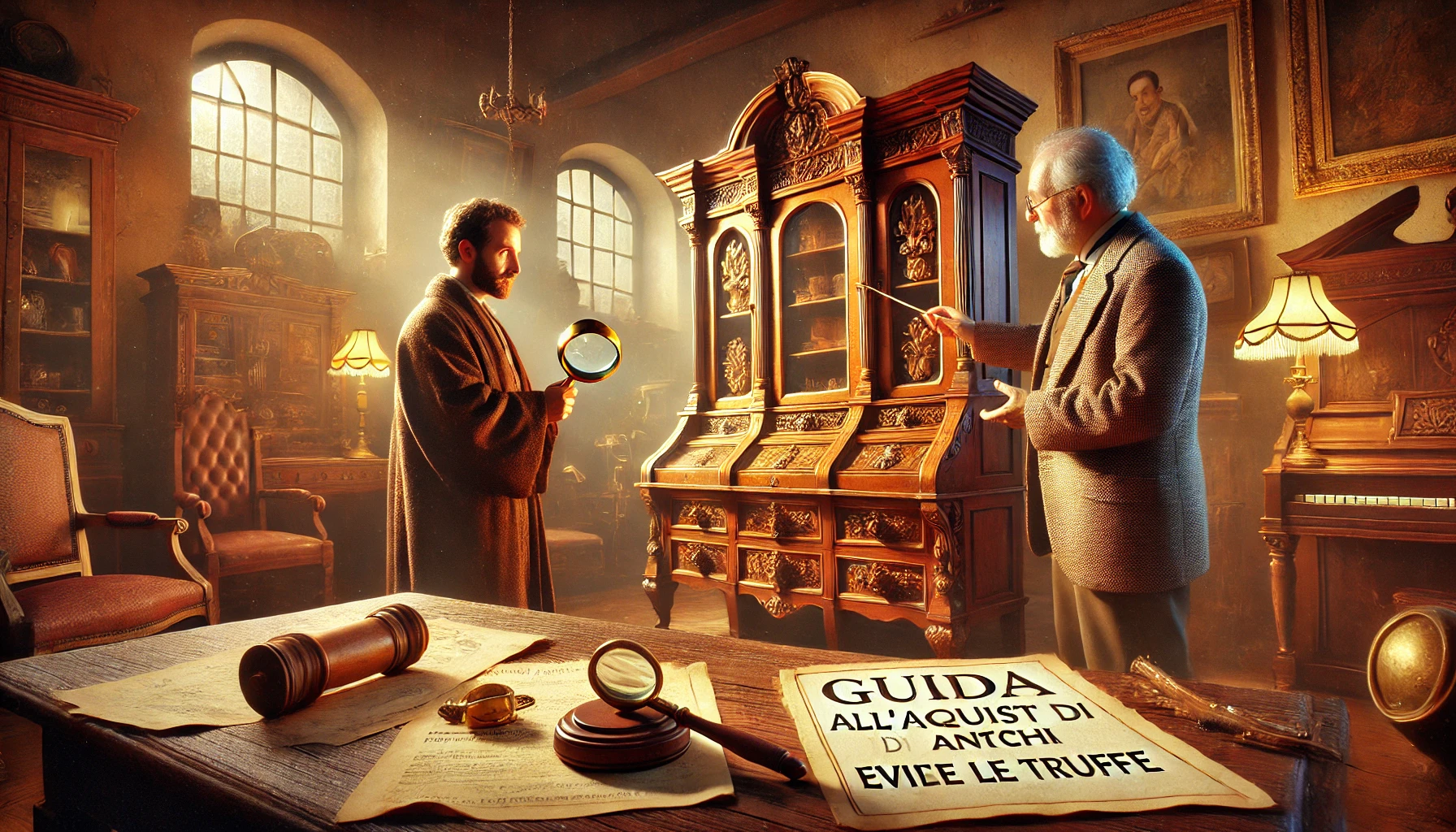
Purchasing antique furniture is a captivating experience, but without the right knowledge, you risk encountering reproductions or inauthentic restorations. To make an informed and safe purchase, it’s essential to understand the key evaluation criteria and the tell-tale signs that can indicate a counterfeit piece. In this guide, we will explore how to recognize vintage pieces and avoid market pitfalls.
1. Research and Style Familiarity
Before buying any antique furniture, it’s crucial to study the relevant styles and eras. Each historical period has specific characteristics in terms of design, materials, and construction techniques. For example, an 18th-century piece will exhibit very different details than a 19th-century item. Understanding these differences helps identify any inconsistencies and assess the piece’s authenticity.
2. Material Awareness
vintage antique furniture is made from high-quality solid woods such as walnut, oak, or mahogany. Reproductions often use less expensive woods or plywoods, disguised with veneers. By closely observing the back and less visible parts, you can verify whether the wood is solid or an imitation.
3. Joints and Construction Techniques
Another crucial aspect is the assembly method. vintage furniture employs traditional techniques, such as handcrafted, irregular dovetail joints. If the joints appear perfectly uniform, they were likely made with modern machinery, suggesting recent production.
4. Patina and Wear Examination
Patina refers to the natural aging of the wood and surfaces, giving the furniture a lived-in and vintage appearance. If a piece appears too shiny or uniform, it may have been artificially treated to appear older. Checking areas of high wear, such as edges and handles, can reveal much about the object’s authenticity.
5. Hardware Inspection
Original handles, hinges, and locks are important details that contribute to the furniture’s value. vintage elements show signs of oxidation and are often fixed with period-correct screws. If the hardware appears new or inconsistent with the furniture’s style, it may have been replaced or indicate a reproduction.
6. Purchasing from Reputable Dealers
One of the best ways to avoid scams is to consult reputable antique dealers and specialists. Requesting certificates of authenticity and information regarding the furniture’s provenance can provide guarantees about its origin. Additionally, comparing market prices is useful to avoid overpaying for a piece of questionable authenticity.
Conclusion
Purchasing antique furniture requires attention and knowledge, but with the right precautions, you can find vintage and valuable pieces. Observing materials, construction techniques, signs of aging, and consulting industry experts allows you to avoid unpleasant surprises and enrich your collection with vintage and historically rich furniture.