

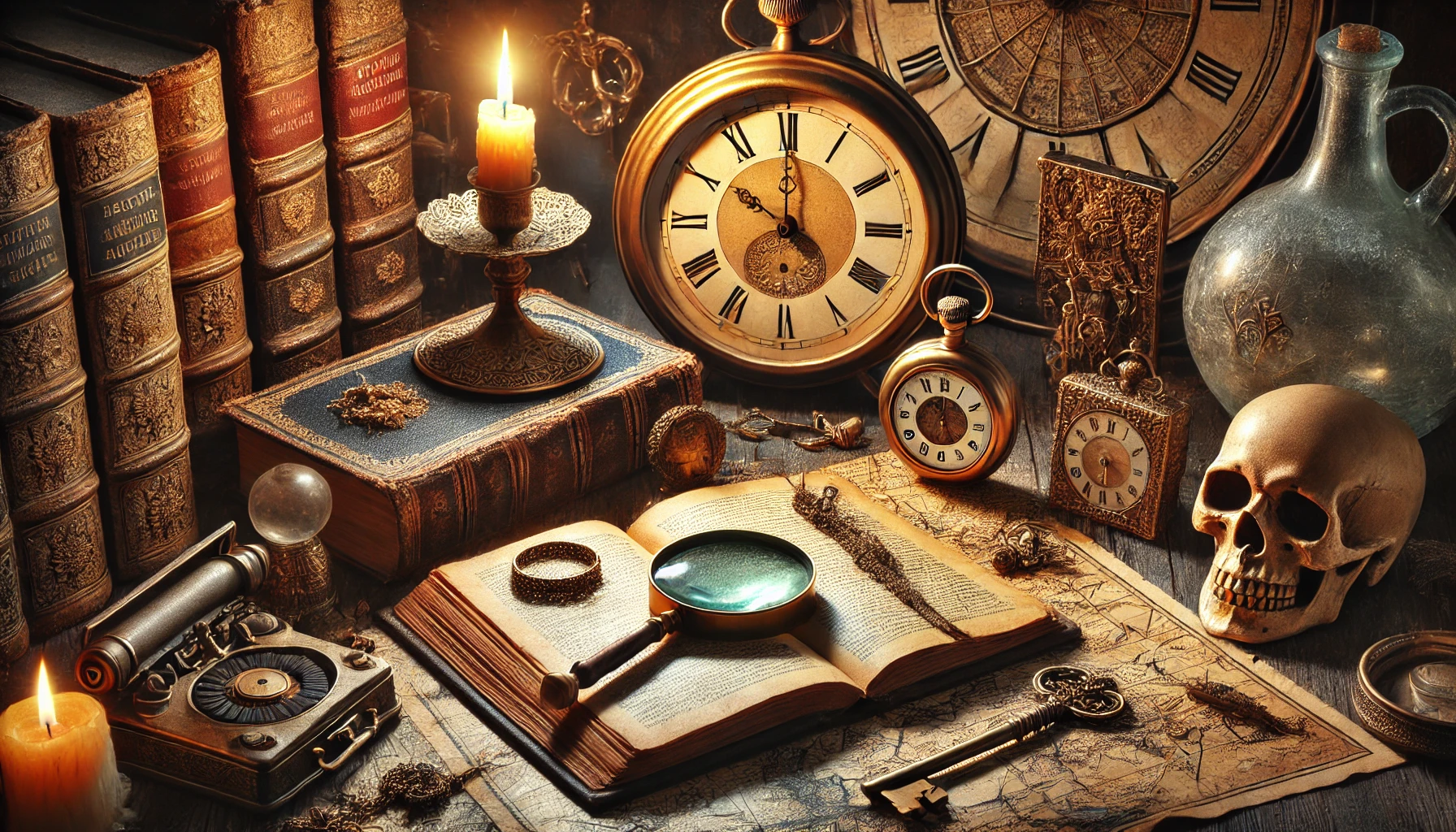
Antiques are much more than just relics of the past; they are veritable custodians of captivating stories. Each piece of furniture, every household item, and every artifact narrates events, customs, and traditions from bygone eras. Let’s explore some intriguing facts about antiques that conceal surprising secrets.
- The Secret Tables of the NobilityIn the 18th century, much furniture was designed with hidden compartments, used to safeguard important documents or precious jewels. Gaming tables, for example, often concealed secret drawers to hide money or cards. Even today, antique dealers and experts discover hidden spaces in antique desks and sideboards, revealing small mysteries from the past.
- The Keys of FortuneOld locks and antique keys were not only security devices but often carried superstitions. In some cultures, keys were considered symbols of prosperity and protection. It is said that some antique keys were made with special materials to ward off evil spirits or bring good luck to their owners.
- Clocks and the Passage of TimeAntique clocks were not only time-measuring instruments but also status symbols. During the 18th and 19th centuries, owning a pocket watch signified belonging to a high social class. Some models featured complex mechanisms that played melodies or concealed tiny hand-painted works of art.
- The Magic of MirrorsIn the Middle Ages and the Renaissance, mirrors were rare and expensive objects, often associated with esoteric beliefs. Some were made using secret techniques by Venetian master glassmakers, and it was said that they could reflect not only the image but also the soul of the person who looked into them. It’s no coincidence that many legends speak of enchanted or cursed mirrors.
- Mysterious PorcelainsAntique porcelains, especially those from China and Europe, were luxury items reserved for noble courts. Some pieces were decorated with cryptic symbols or mythological scenes, concealing secret messages intended only for those who knew their meaning. Furthermore, many porcelains were made with pastes and glazes whose composition was jealously guarded by master craftsmen.
Conclusion
Antiques are much more than simple artifacts: they represent fragments of history, mysteries to be unraveled, and traditions passed down through the centuries. Each piece tells a story of an era and carries a unique charm. Anyone who owns an antique, therefore, has not only a decorative element but a true witness of time.