

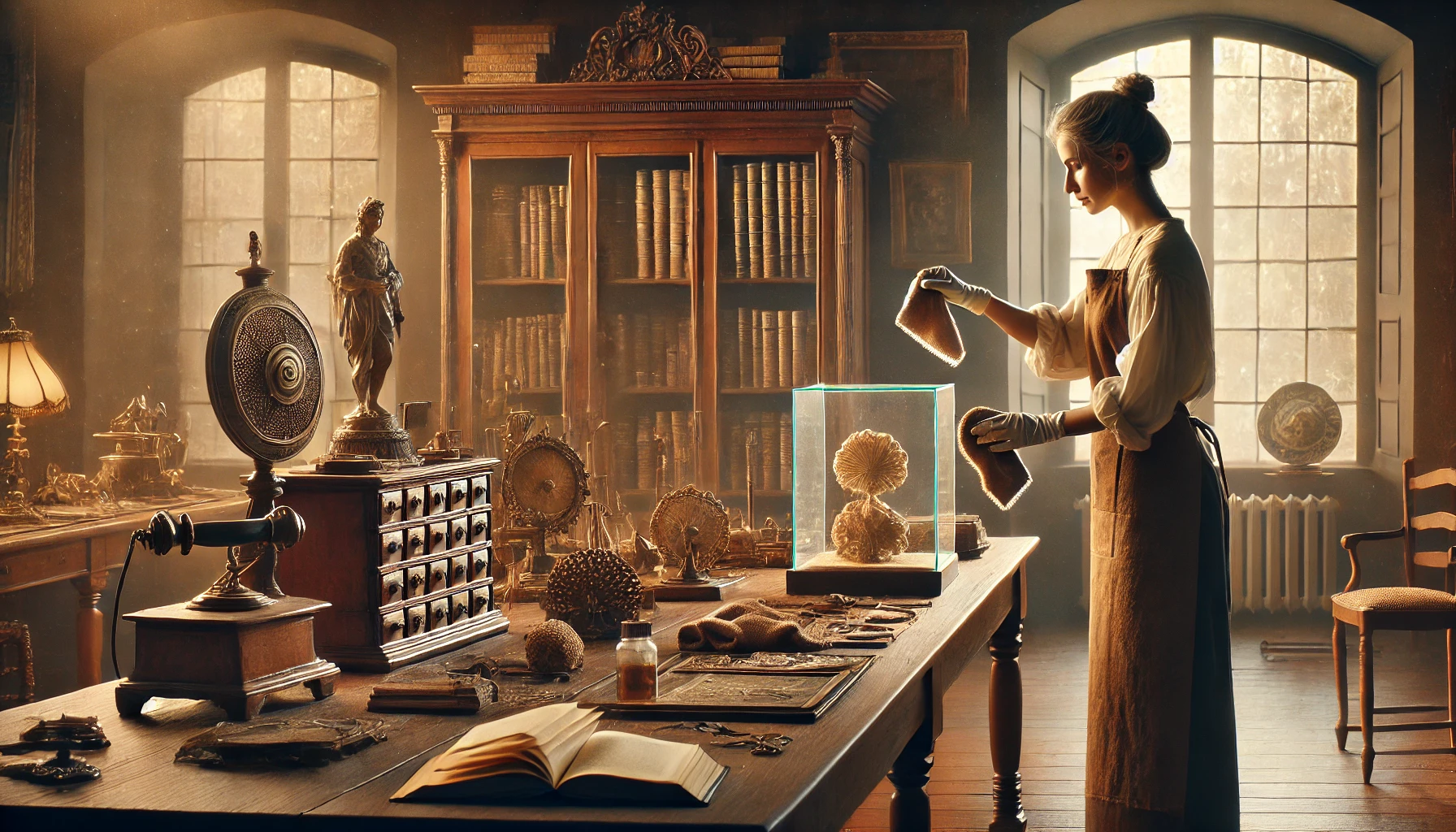
Antiques, whether they are furniture, books, rugs, or precious ornaments, require specific care to preserve their beauty and value over time. Exposure to light, humidity, dust, and chemical agents can compromise their integrity, accelerating the deterioration process. This guide will explore how to prevent degradation and ensure the longevity of these historical treasures.
- Protection from Light and UV RaysNatural and artificial light can alter the color and materials of antiques.
- Avoid Direct Exposure: Position furniture, paintings, and textiles away from windows and intense light sources.
- Use Filtering Curtains or UV-Protective Glass: Ideal for reducing the impact of solar rays without compromising illumination.
- Low Heat Emission Bulbs: LED lights are preferable to halogens, as they do not emit harmful UV rays.
- Humidity and Temperature ControlVariations in humidity and temperature can cause deformations, mold, and structural damage to antique items.
- Maintain a Stable Humidity Level: Ideally between 40% and 60% to prevent wood from drying out or developing mold.
- Avoid Overly Hot or Cold Environments: Sudden changes can cause wood to crack and damage organic materials.
- Use Dehumidifiers or Humidifiers: Useful tools for maintaining constant humidity in critical environments.
- Regular Cleaning and MaintenanceGentle but consistent cleaning helps prevent dust accumulation and premature deterioration.
- Dust with Soft Cloths: Avoid abrasive cloths or aggressive chemical products.
- Use Specific Products: Natural waxes or protective oils for wooden furniture; anti-oxidation cleaners for metals.
- Clean Textiles Carefully: Low-power vacuum cleaners and dry cleaning for rugs and tapestries.
- Proper Storage of Antique Books and DocumentsPaper and parchment are materials extremely sensitive to light, humidity, and dust.
- Store in Dry and Well-Ventilated Places: Away from sources of humidity and heat.
- Use PH-Neutral Paper and Folders: To prevent harmful chemical reactions.
- Avoid Direct Exposure to Light: Protect covers with suitable materials.
- Protection from Biological Agents and PestsInsects, moths, and molds can severely compromise antique furniture, textiles, and books.
- Regularly Inspect Items: Check for signs of infestation.
- Use Natural Repellents: Lavender, cloves, and cedar are excellent deterrents for insects.
- Avoid Humid and Poorly Ventilated Environments: They promote the proliferation of molds and parasites.
Conclusion
Long-term preservation of antiques requires attention, care, and suitable environments. By following these tips, you can maintain the unaltered beauty and value of furniture, books, textiles, and historical artifacts, ensuring their transmission to future generations.