

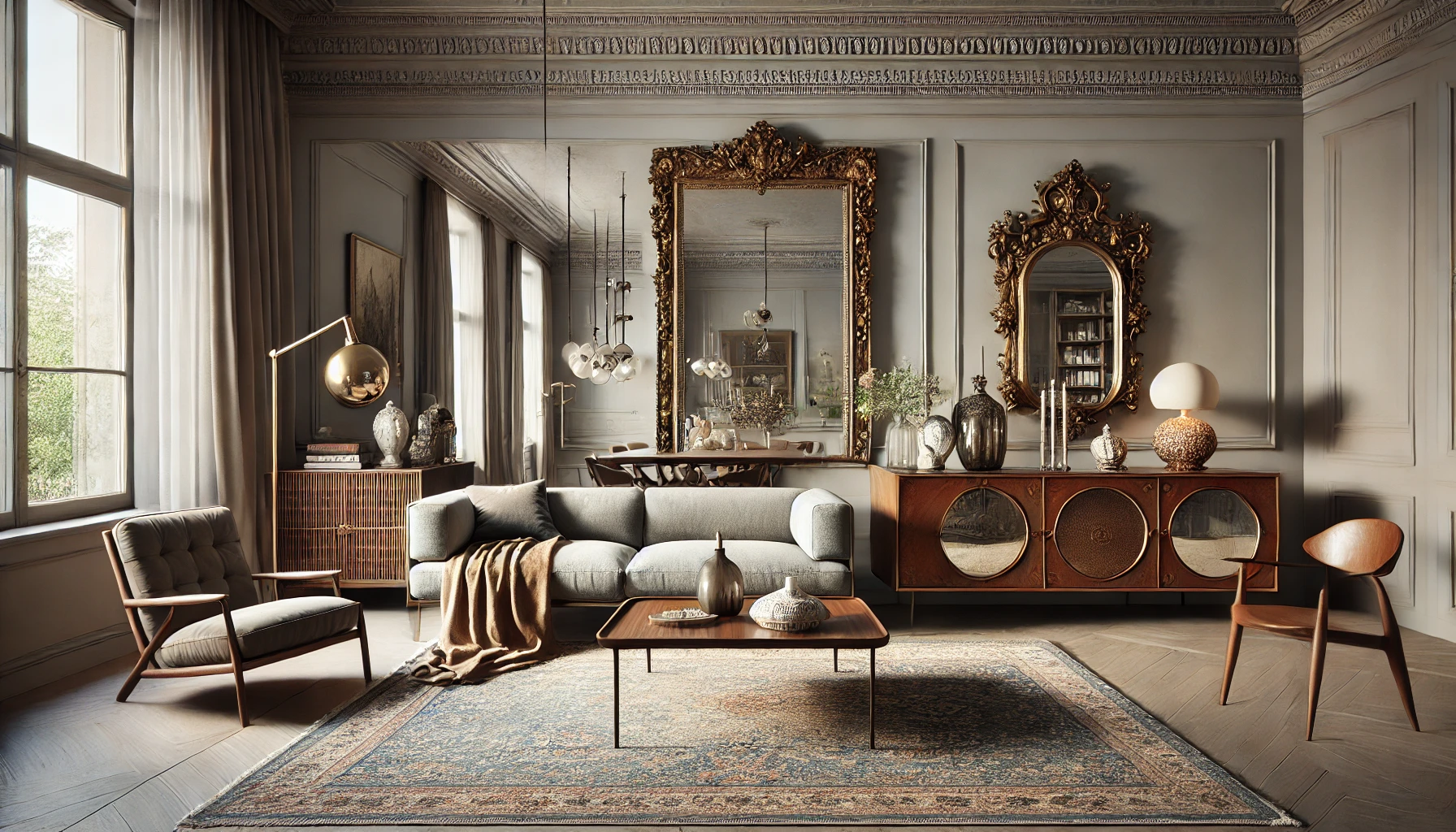
Modern interior design often emphasizes clean lines, minimalism, and industrial materials. However, nothing adds more personality to a space than incorporating antique elements. The art of combining vintage furniture and accessories with contemporary furnishings is a delicate balancing act of creativity, resulting in elegant spaces steeped in history and unique charm. Yet, simply placing an antique piece in a modern room isn’t enough to achieve a successful outcome. Careful selection of the right pieces, consideration of proportions, materials, and colors are crucial to ensure the contrast between past and present is harmonious and sophisticated.
The Allure of Juxtaposing Antique and Modern
One of the most captivating aspects of blending antiques with contemporary design is its ability to create a dialogue between different eras. A solid wood dining table from the 19th century, with its aged surfaces and natural imperfections, can become the focal point of a modern dining room furnished with metal or transparent plastic chairs. An old walnut cabinet with sculpted details can stand out beautifully against a white wall and a minimalist lamp.
The key to this contrast lies in the deliberate selection of a few striking antique pieces that can shine in a modern context without creating a chaotic or overly nostalgic feel. The final result should feel balanced, with each element conversing with the others without overpowering the space.
How to Choose Antiques for a Modern Setting
Not every antique piece lends itself seamlessly to a modern setting. Selecting items with a strong aesthetic identity that can become the focal point of the room is essential. For instance, a large mirror with a gilded baroque frame can add depth and character to a minimalist living room, while an old leather trunk can be transformed into a coffee table in an industrially styled home.
The trick is to avoid clutter and focus on a few significant elements. If the decor is very modern and minimalist, a single antique piece – like a mahogany desk or a vintage armchair – will suffice to create an interesting stylistic contrast. Conversely, if the house already has some classic details, more antiques can be added, but with careful attention to balancing materials and colors to avoid overwhelming the space.
Integrating Vintage Accessories into Contemporary Design
Beyond furniture, small vintage accessories can also contribute to creating a refined and sophisticated atmosphere. A vintage wall clock, a crystal chandelier, or an old rotary phone can become details with great visual impact. Fabrics play an equally important role: velvet cushions, oriental rugs, and curtains with vintage embroidery can be combined with modern furnishings for a rich and inviting effect.
Another way to mix antique and modern is to use antiques in unexpected ways. An antique sewing machine can be transformed into an elegant entryway table, an old wooden door can become the headboard of a modern bed, and a collection of vintage suitcases can be stacked to form an original storage unit.
The Importance of the Color Palette
An often-overlooked aspect of integrating antique and modern furniture is the choice of colors. Mixing eras and styles can be more harmonious if a chromatic coherence is maintained within the space. If the house has neutral tones, such as white, beige, or gray, a dark wood antique will stand out elegantly without appearing out of place. If you want to be bolder, you can experiment with colors like petrol green or midnight blue, perfect for highlighting golden details or furniture with refined inlays.
The finishes of materials can also make a difference. An antique piece with a natural patina will be more suitable for an industrial-style environment, while a glossy lacquered surface can be better integrated into a contemporary and elegant setting. The key is to avoid mixing too many different materials and finishes to prevent a cluttered effect.
Light and Space: Enhancing the Fusion of Antique and Modern
Lighting is a crucial element in integrating vintage pieces into a modern setting. Warm and diffused lights are perfect for highlighting the beauty of antiques, while cooler and more direct lighting can enhance the clean lines of modern furnishings. A wrought iron chandelier or a series of retro-style sconces can be used to create a fascinating contrast in a contemporary room.
The arrangement of elements in the space is also fundamental. Antiques must be showcased without creating visual clutter. If you have an important antique table, avoid covering it with too many objects and let it be the star of the room. Similarly, if you incorporate a vintage bookcase into a modern environment, strive for a balance between antique books and contemporary objects for a harmonious effect.
Conclusion
Combining antiques with contemporary design is a true art that requires attention to detail, balance, and creativity. The secret lies in carefully selecting vintage pieces and integrating them coherently into the modern context, without creating contrasts that are too stark or forced. A setting where antique and new coexist in perfect harmony conveys elegance and refinement, creating spaces with timeless charm. With the right attention to proportions, colors, and materials, it is possible to create unique interiors where the past and present converse with style and originality.