

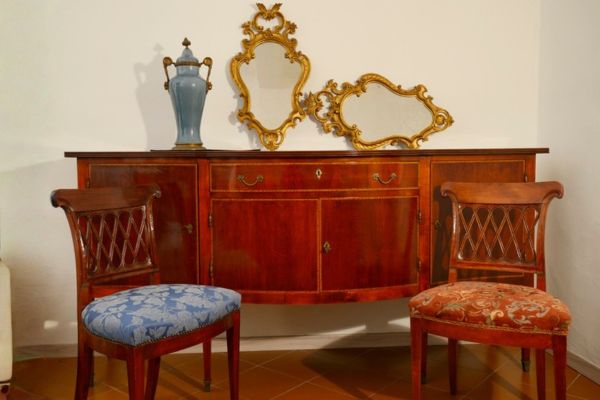
Furnishing a home means more than just filling spaces; it’s about telling a story. Every choice – from colours to materials, from accessories to furniture – speaks of us, our style, and our vision. In recent years, one of the most interesting and refined trends in interior design has been the combination of antique furniture and modernist pieces. A fusion of past and present that can create unique, harmonious interiors full of personality.
Once considered two separate worlds, today the antique and the modern interact naturally, creating a visual balance that fascinates and surprises. This style is for those who love the charm of tradition but desire contemporary, simple, and functional living spaces. In other words, it is the ideal solution for those seeking authenticity without sacrificing contemporary style.
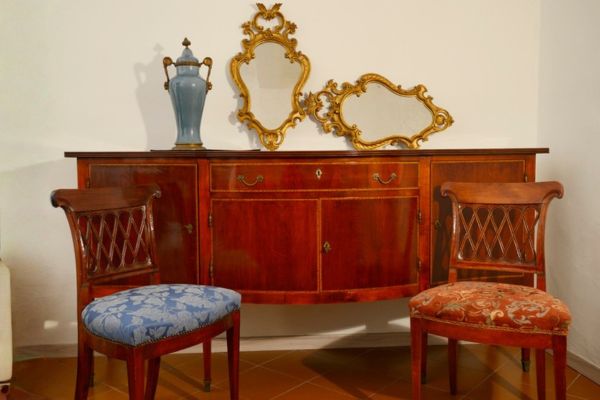
In this article, you will discover how to elegantly combine antique furniture, vintage elements, and modernist pieces, avoiding mistakes and tastefully enhancing your spaces.
Indice dei contenuti
- The magic of contrast: why combining antique and modern works
- Considering the space: where to start
- How to integrate antique furniture: practical tips
- Vintage Design: how to mix it with antiques
- Colors and materials: the key to harmony
- Materials that always work together:
- Pairing Styles: Which Work Best
- Decorations and accessories: the role of details
- Mistakes to avoid
- Practical examples room by room
- Conclusion: creating a house with a soul
The magic of contrast: why combining antique and modern works
Combining antique and modern furniture is not just an aesthetic choice, but a true design strategy. The contrast between different eras creates a unique visual impact, capable of transforming an anonymous space into a fascinating setting.
The secret lies in the dialogue between shapes, materials, and colours. An antique piece of furniture, with its curves, artisanal finishes, and aged wood, brings warmth and depth. In contrast, modern design introduces clean lines, smooth surfaces, and innovative materials like metal, glass, and plastic.
The result? A sophisticated style that combines:
- character
- functionality
- visual harmony
This is a perfect trend for those seeking an environment that is balanced yet dynamic, elegant yet contemporary.
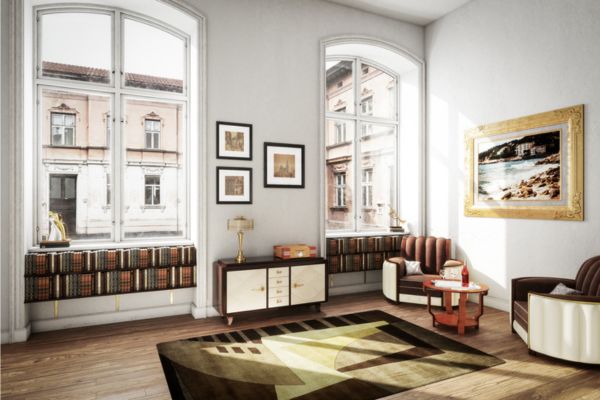
Considering the space: where to start
Before you start mixing antique and modern pieces, it’s essential to analyze the available space. Every room has its own energy, and its proportions must be respected to avoid visual overload.
1. Assess Dimensions and Volumes
A significant antique furniture piece – like an Impero sideboard or a Luigi Filippo display cabinet – needs enough space to avoid looking cramped. If the room is small, it’s better to opt for a single statement piece and pair it with lighter modern items.
2. Natural Light and Light Sources
Light plays an essential role. Antique furniture, often made of dark wood, stands out much more with plenty of natural light or with strategic modern lighting.
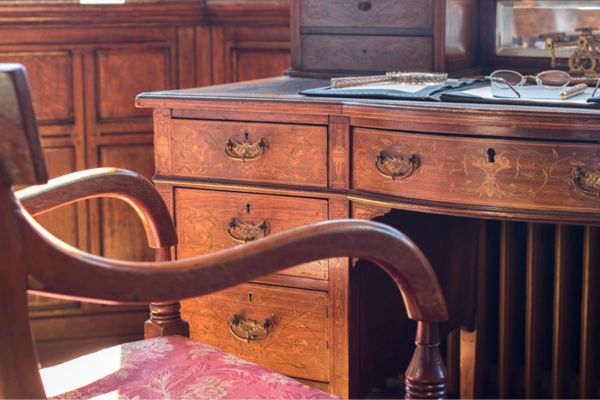
3. The Floor and Walls as a Neutral Canvas
If you want to highlight the fusion of eras, it’s advisable to keep the floors and walls relatively neutral: white, light grey, beige, taupe, or pastel colours.
How to integrate antique furniture: practical tips
Antique furniture has a strong presence. That’s why it’s important to integrate it correctly into a contemporary setting.
Choose a “hero” piece
It’s best to focus on a single antique piece that becomes the star of the room: a console table, a table, a wardrobe, a sideboard, a restored armchair.
Balance the spaces
The imposing shapes of antique pieces can be paired with lighter elements of modern design: minimalist chairs, metal lamps, linear sofas.
Restoration, but in moderation
An antique piece should be restored without losing its original patina. Its history is what makes it unique.
Vintage Design: how to mix it with antiques
20th-century design – that is, design from the 1940s to the 1980s – pairs very well with traditional furniture. Its clean lines, innovative materials, and vibrant colors create a fascinating balance with the classic elegance of antiques.
1. Focus on the icons
Eames chairs, Arco lamps, Le Corbusier’s LC2 armchairs, Scandinavian coffee tables: these pieces add a contemporary touch and visual lightness.
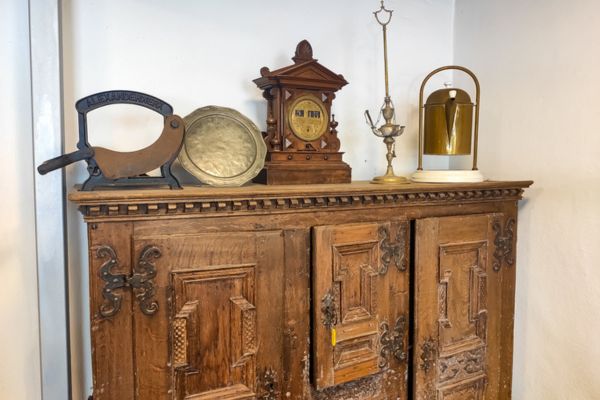
2. Use color as a connecting element
An antique piece can be brought into dialogue with modern accessories of the same color – for example, a walnut sideboard with a cognac armchair or a bronze lamp.
3. Contrasting materials
The most elegant combination?
Antique wood + modern metal/glass.
The result is a balanced room, where each piece maintains its own identity.
Colors and materials: the key to harmony
Color balance is essential when mixing different styles.
Recommended palettes to harmonize:
- Natural tones: beige, taupe, sand
- Warm or cool grays
- Sage green
- Petrol blue
- Warm white or cream
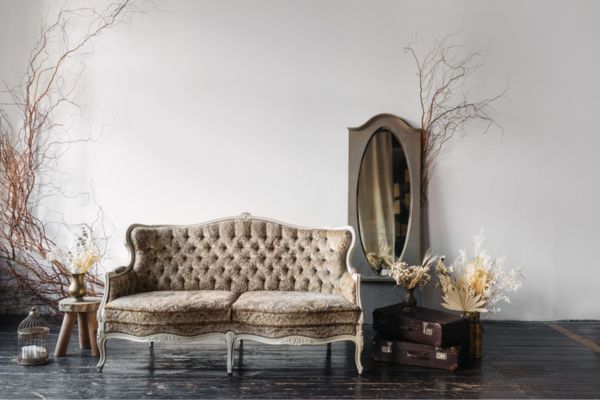
Materials that always work together:
- Wood + steel
- Wood + glass
- Brass + velvet
- Marble + black metal
The choice of materials should create coherence between past and present.
Pairing Styles: Which Work Best
1. Antique + Modern Minimalism
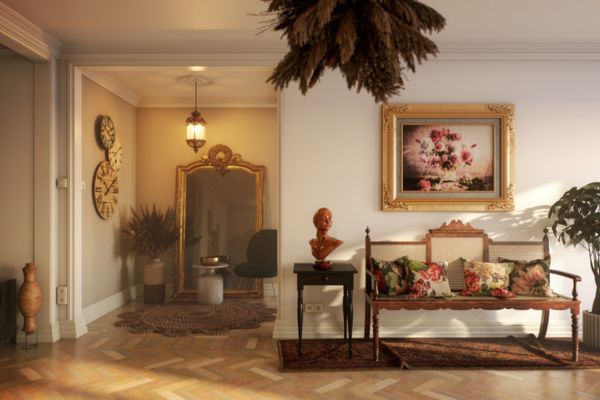
The blend of antique furniture and modern minimalism is one of the most elegant and impactful combinations in interior design. In this style, the antique piece of furniture is treated like a gallery piece, a kind of functional sculpture that immediately captures the eye. Minimalism, with its clean lines, airy spaces, and reduction of superfluous elements, creates an environment where every single object has a precise purpose.
In this context, an 18th-century chest of drawers, a Luigi XV console table, or an Empire sideboard become the absolute focal points, thanks to the contrast with neutral walls, simple textures, and contemporary accessories. The lack of modern ornamentation allows the antique piece to stand out, accentuating its handcrafted details, the grain of the wood, and the natural patina of time.
This style is perfect for:
- modern apartments with open spaces;
- homes with neutral tones;
- those who love the balance between art, design, and visual order.
The final result is a sophisticated environment, minimalist yet rich in character, where the past dialogues with the present in a discreet and highly elegant manner.
2. Antique + Scandinavian
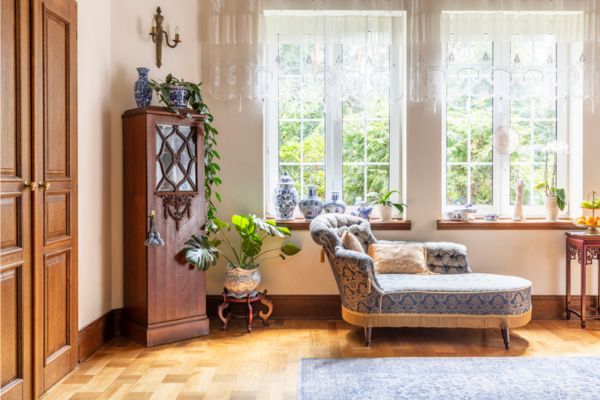
The pairing of antique style and Scandinavian design represents a harmonious fusion of warmth, functionality, and brightness. The Nordic style, characterized by light colors, natural materials, simplicity of form, and a strong connection to nature, lends itself particularly well to enhancing antique solid wood furniture.
In this mix, a vintage chest of drawers, a sideboard, or a carved chair can coexist perfectly with typical Scandinavian elements such as:
- light fabrics in linen or cotton;
- geometric rugs in natural tones;
- lamps in light wood or satin-finished metal;
- white surfaces or pastel colors.
The contrast between the robustness of the antique furniture and the delicacy of the Nordic elements creates a cozy and relaxing atmosphere. Natural light, a central element of Scandinavian design, illuminates the antique furniture, highlighting its textures and history.
This style is ideal for those who want a home that conveys warmth and serenity, but with a strong and vintage personality.
3. Antique + Industrial
The mix of antique and industrial is perfect for those who love spaces with a bold character, inspired by New York lofts and converted spaces. The industrial aesthetic is based on raw materials such as iron, concrete, black metal, exposed brick, and untreated wood. These rough and imperfect elements create a surprising contrast with the refinement of antique furniture.
Imagine a large vintage bookcase placed in front of a raw brick wall, or an antique table paired with industrial metal chairs. The result is a dynamic environment full of personality, where each object tells a different story.
This style works particularly well with:
- dark wood furniture;
- imposing antique pieces;
- vintage objects related to manual labor;
- decorations in metal, smoked glass, and leather.
The industrial style highlights the details of the antique, while the antique softens the harshness of the industrial, creating a perfect balance between strength, authenticity, and sophistication.
4. Antique + Elegant Contemporary
This combination represents one of the most sophisticated and timeless styles. Elegant contemporary blends clean lines, quality materials, sophisticated color palettes, and accessories with a refined design. Paired with antique furniture, it creates an environment where past and present coexist with naturalness and refinement.
In this mix, a Baroque console or a Neoclassical table can be paired with:
- modern lamps with sculptural forms;
- sofas and armchairs upholstered in velvet or fine fabrics;
- contemporary works of art;
- surfaces in marble, brass, or glass.
The secret is balance: no single element should overpower the others. The antique furniture adds character, warmth, and history, while the contemporary elements introduce elegance, brightness, and modern proportions.
This combination is ideal for those who desire a sophisticated, chic, and timeless home, perfect for both urban settings and more classic homes with a modern twist.
Decorations and accessories: the role of details
In the blend of antique and modern, accessories make all the difference.
Paintings and Art
Contemporary art pairs perfectly with antique furniture: black and white photographs, abstract canvases, graphic prints.
Lamps
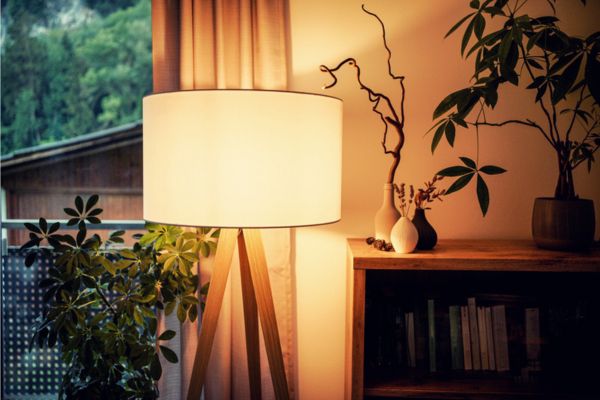
Modern lamps – arc, pendant, spherical – lighten the classic atmosphere.
Textiles
Modern rugs, geometric cushions and light curtains create a visual bridge between the two styles.
Mirrors
An antique mirror can become the focal point in a contemporary setting. Conversely, a modern mirror can brighten up a room with antique furniture.
Mistakes to avoid
It’s easy to overdo it or lose balance. Here’s what to avoid:
- Too much antique furniture together: it makes the room feel heavy.
- Contrasting colors and materials with no logic.
- Overly dark rooms: antiques require light.
- Excessively cold modern furnishings that cancel out the warmth of the wood.
- Accumulating objects without aesthetic criteria.
Balance is the golden rule.
Practical examples room by room
Living room
- Modern sofa + vintage coffee table + statement antique sideboard
- Designer lamp next to a Luigi XV armchair
Dining room
- Antique table + modern chairs
- ’60s bar cabinet + contemporary paintings
Bedroom
- Antique chest of drawers + modern bed
- Period mirror + minimalist nightstands
Entryway
- Impero console table + designer lamp
- Antique mirror + modern pouf
Conclusion: creating a house with a soul
Pairing antique furniture with modern pieces is not just an aesthetic choice, but a way to create spaces rich in history, emotion, and design. It is a creative process that blends past and present, tradition and innovation, warmth and functionality.
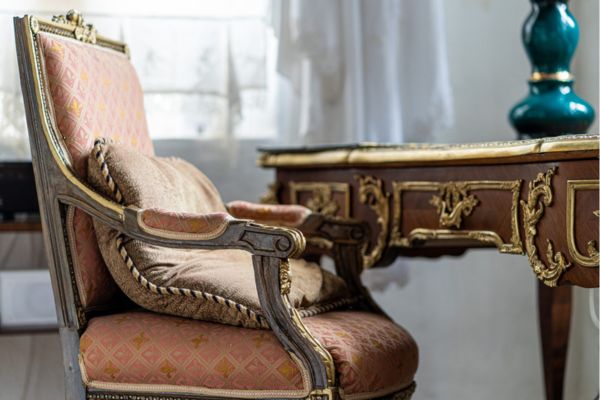
A successful decor is one that tells our story: a mix of experiences, memories, personal tastes, and visions for the future. The key is balance, attention to detail, and the ability to showcase each piece for what it is: unique.
With the right combination, your home becomes a place that is not only beautiful to look at but, above all, beautiful to live in.
FAQ
You can place it as a centerpiece in a room with clean lines and neutral colors. The absence of other heavy decorative elements allows the antique furniture to stand out and create an elegant and harmonious contrast.
Neutral and natural palettes – such as beige, taupe, warm white, light grey, and sage green – are ideal. They enhance the tones of antique wood and at the same time harmonize with modern materials like metal and glass.
Yes, but in moderation. It is advisable to choose one or two important pieces and maintain visual balance. Too much antique furniture can make a room feel heavy and reduce the effect of the contrast with modern decor.
The best combinations are antique wood with metal, glass, marble, and satin steel. These materials create an interesting contrast and maintain a refined aesthetic.
Absolutely. The typical materials of the industrial style – iron, concrete, exposed brick – accentuate the handcrafted details of antique furniture, creating unique and highly characteristic spaces.
Use directional lights, floor lamps, or spotlights to highlight the textures and details of the piece. Modern lighting helps to enhance its color, shape, and workmanship.
Yes, as long as you choose pieces that are proportionate to the space. A single antique piece of furniture can become the focal point even in small spaces, provided it is not too large or too dark for the room.
Maintain consistency between colors, materials, and accessories. Pair the antique piece with modern decor that echoes a color or material detail, such as a brass lamp or a contemporary painting.
Restoration is useful, but it shouldn’t be invasive. It is important to preserve the original patina and the signs of age, which represent the aesthetic and historical value of the piece.
Follow the 70/30 rule: 70% of the space should be modern, while 30% can consist of antique or vintage elements. This ensures harmony and prevents visual overload.