


Collecting antique books is much more than a hobby: it is a journey into history, culture, and the art of writing. Each book carries with it not only words, but also material stories: the type of paper, the binding, the notes in the margins, and even the marks of time. For those approaching this world for the first time, starting a collection can seem complex. However, there are rules, strategies, and practical tips that make the journey accessible and rewarding.
In this article, we will explore step-by-step how to build a collection of antique books, from the first purchases to conservation techniques, including defining selection criteria and a budget.
1. Understanding what “antique book” means
Before purchasing your first volume, it is essential to understand what is meant by an antique book. Not all dated books are automatically “antique” from a collector’s point of view.
- Antique books: generally, a book published before 1830 is considered antique. This criterion varies slightly depending on markets and experts, but it is a useful guideline.
- Rare books: can include works published later, but with limited print runs or special features, such as signed editions, first editions, or copies with original illustrations.
- Special editions: some works, even recent ones, can have collectible value due to typographical peculiarities, artistic bindings, or the author’s signature.
Understanding the difference between antique, rare, and valuable helps to navigate the market and avoid purchases based solely on appearance.
2. Deciding on the purpose of the collection
Every collector must define their own goal. Without a clear direction, you risk accumulating books without coherence and without real value over time.
Some common strategies include:
- Thematic collection: focusing on a subject, for example, natural history, 19th-century Italian literature, or travel books.
- Specific author or series: collecting works by a single author, such as Dante, Leopardi, or Verne.
- Editions and printings: favouring first editions, limited runs, and fine bindings.
- Historical preservation: some collectors gather books as witnesses to the history of the book, regardless of the content.
Defining the purpose also helps to guide the budget, direct purchasing choices, and give coherence to the collection in the long term.
3. Learning to recognise a valuable antique book
Recognising an antique book requires time, study, and attention to detail. Here are some fundamental elements:
- Publication date: always check the exact year and edition. A first edition is more valuable than subsequent reprints.
- Author and content: a famous author or a historically significant work increases the value.
- Physical condition: intact paper, pages not torn or stained, original cover in good condition.
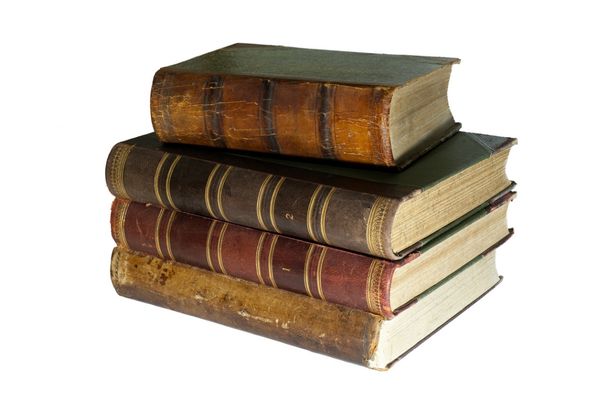
- Binding: fine bindings in leather or quality cloth are prized.
- Special marks: ex-libris, autographed dedications, historical annotations, or original engravings.
A common mistake for beginners is to base their choices solely on aesthetic appearance or decoration. True valuation requires attention to all these factors.
4. Building a realistic budget
The antique book market can be expensive, but you don’t need to spend a fortune to get started. The budget depends on three main factors:
- Purpose of the collection: the rarer or more prestigious the works, the greater the investment required.
- Condition of the books: perfect copies cost more than those with minor damage or natural wear.
- Reference market: antiquarian bookshops, auctions, and online markets have different prices.
A good approach for beginners is to start with books of moderate value, learn to assess quality and authenticity, and gradually increase investments as experience grows.
5. Where to buy antique books
There are several channels for purchasing antique books, each with its own advantages and disadvantages:
- Antiquarian bookshops: they offer security, authenticity, and advice, but prices are generally higher.
- Book fairs and markets: they allow you to find rare works at interesting prices, but require expertise and a keen eye.
- Auction houses: ideal for prestigious or rare pieces, but be mindful of commissions and the condition of the lots.
- Specialised online platforms: sites like AbeBooks, eBay, or digital libraries allow you to explore vast catalogues; it is necessary to verify the seller’s reliability and always ask for detailed photos.
- Private collectors and B2B exchanges: sometimes it’s possible to access rare pieces through direct contact with other collectors.
For every purchase, it is important to request certificates of authenticity, detailed photos, and, if possible, an expert’s opinion.
6. Valuation and authenticity techniques
Not all antique books have collectible value. Valuing them correctly means learning to recognise features that confer authenticity and worth.
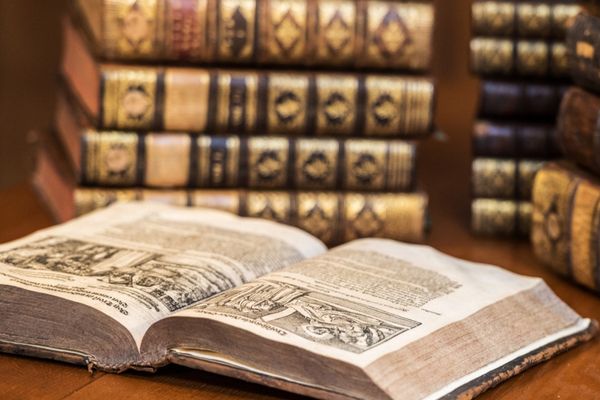
- Analysis of paper and print: laid or watermarked paper often indicates age and quality. The ink and typographical style can help determine the printing era.
- Checking editions: knowing the work’s publication history helps distinguish first editions from reprints.
- Signs of restoration: some restorations can increase the book’s lifespan but reduce its commercial value.
- Fine bindings: leather, hand-binding, and gilding are indicators of value.
A beginner collector can initially rely on trustworthy bookshops, bibliographic guides, or experts, but direct experience remains essential for honing a critical eye.
7. Conservation and care of antique books
Purchasing antique books is only the first step. Their conservation is crucial to maintaining their value and integrity.
Ideal environmental conditions:
- Stable temperature: between 18°C and 22°C.
- Controlled humidity: between 40% and 55% to prevent mould or warping.
- Indirect light: direct sunlight can discolour paper and covers.
Physical preservation:
- Adequate shelving: books stored vertically, not too tightly, to avoid warping.
- Protective cases: polypropylene sleeves or acid-free cardboard boxes.
- Gentle handling: avoid folding pages or forcing fragile bindings.
Properly preserving an antique book is not just an aesthetic matter: a well-cared-for book maintains its commercial and historical value.
8. Creating a collection catalogue
Even if the collection is small, it is useful to keep a detailed catalogue. This allows you to:
- monitor its value over time
- organise the collection by author, year, edition, or theme
- have useful documentation for insurance or any future sales
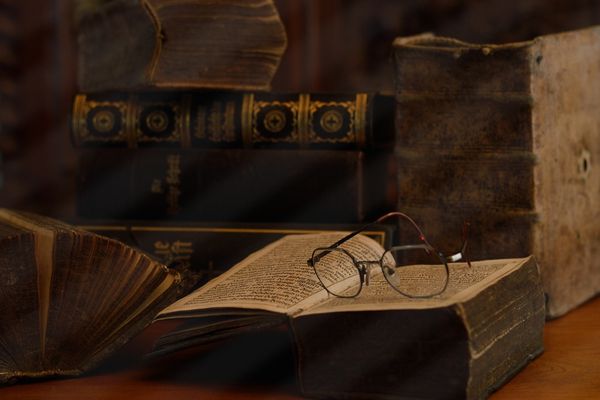
The catalogue can be digital, with photos, descriptions, and notes on condition, or on paper, following a consistent format. Some collectors use dedicated software for private libraries.
9. Establishing contact with experts and collector communities
Networking is essential. Collecting antique books alone is possible, but collaborating with experts, antiquarians, and other collectors accelerates learning and reduces the risk of errors.
- Participate in book fairs and antiquarian shows
- Join collector associations
- Follow specialised blogs, forums, and publications
These contacts allow you to stay updated on the market, learn about new editions available, and share practical experiences.
10. Managing the budget in the long term
A collection of antique books grows over time. It is important to plan your purchases, balancing desire, value, and financial availability.
Practical tips:
- Start with less expensive pieces and gradually increase the quality
- Evaluate each purchase based on its consistency with the collection
- Keep a portion of the budget for exceptional opportunities, such as rare editions at auction
Managing the budget well avoids impulsive purchases and preserves the sustainability of the collection over time.
11. Preparing to recognise scams and imitations
The antique book market can be treacherous. It is important to know how to spot fakes, counterfeit reprints, or improperly restored copies.
Warning signs:
- Prices that are too low for rare editions
- Photos that are not detailed or are missing images of the binding and internal pages
- Sellers with no references or reviews
Relying on antiquarian bookshops, certified auctions, or recognised experts is the best way to protect yourself.
12. Collection growth and advanced strategies
With experience, a collector can develop more sophisticated strategies:
- Vertical specialisation: focusing on a specific author or historical period
- Purchasing first editions or signed copies: these increase value and rarity
- Participating in international auctions: access to prestigious pieces not available locally
- Collaborations with libraries or museums: opportunities for loans or cultural exchanges
These strategies require in-depth knowledge and higher budgets, but they can transform a simple passion into a collection of great value.
13. Valuation and insurance of the collection
Once the collection grows, it is important to assess its overall value and protect the investment with specific insurance.
- Request an appraisal from qualified experts
- Periodically update the value estimates
- Choose policies that cover theft, fire, accidental damage, and natural disasters
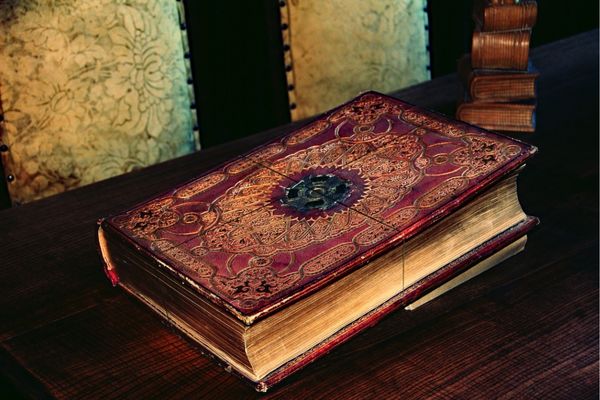
This step is especially crucial for collections of rare and high-value books.
14. Enjoying the collection
Collecting antique books should not be just an investment: it is above all a cultural passion. Each book tells a unique story, not only through its content but also through its physical history, binding, annotations, and illustrations.
Creating moments to read, study, and share your collection with other enthusiasts enriches the experience, transforming the collection into a true cultural experience.
Conclusion
Starting a collection of antique books may seem complex, but by following a structured approach, it becomes an accessible and rewarding journey. The main steps include:
- Understanding what “antique book” means
- Defining the purpose of the collection
- Learning to recognise value and authenticity
- Establishing a realistic budget
- Choosing reliable suppliers
- Properly preserving the books
- Creating a catalogue and building a network of experts
- Growing and specialising gradually
With patience, attention, and curiosity, any collector can build a collection that not only represents an investment but becomes a unique cultural treasure, to be admired, studied, and passed down.
FAQ
- What does it mean to collect antique books?
Collecting antique books means gathering works generally published before 1830 or rare editions with historical, cultural, or typographical value. - Which books are considered antique or rare?
Antique books are works published before the 19th century, while rare books include limited editions, first editions, or signed copies by famous authors. - How can you recognise an vintage antique book?
Check the publication date, author, condition of the book, type of paper, binding, and special marks such as dedications or historical annotations. - How much should I invest to start a collection of antique books?
The budget depends on the rarity, condition, and purpose of the collection. It is advisable to start with works of moderate value and gradually increase. - Where can I safely buy antique books?
Antiquarian bookshops, fairs, certified auctions, reliable online platforms, and private collectors are the main safe options to start with. - What tools are needed to properly preserve antique books?
Stable shelves, acid-free protective cases, controlled temperature and humidity conditions, indirect light, and gentle handling. - Why is it important to create a collection catalogue?
A catalogue allows you to monitor value, organise the collection, document purchases, and facilitate insurance or any future sales. - How can I avoid scams and counterfeit copies?
Check the seller’s reputation, request detailed photos, certificates of authenticity, and, if possible, advice from experts or antiquarians. - How can I specialise my collection?
You can focus on a specific author, historical period, theme, or particular editions, thus increasing the value and coherence of the collection. - Is it worth insuring a collection of antique books?
Yes, especially if the collection grows in value. Insurance protects against theft, fire, accidental damage, or natural disasters.