

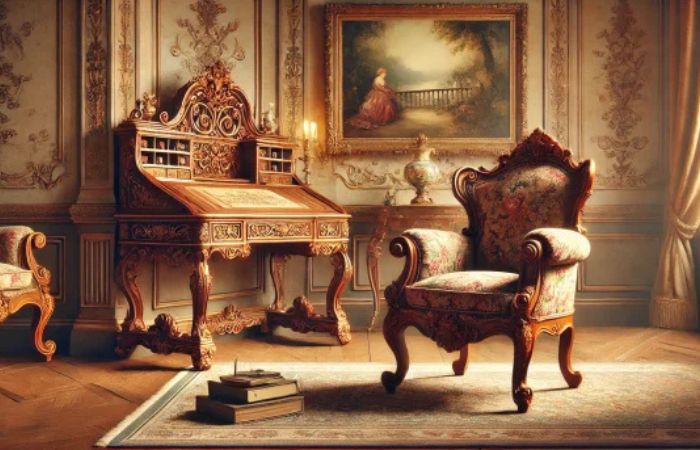
In the world of antiques, few assets manage to combine beauty, functionality, and investment like antique furniture. These are not just decorative objects, but silent witnesses of history, capable of telling stories of eras, lifestyles, and craftsmanship skills that have almost disappeared today. Some antique pieces, more than others, have shown an extraordinary ability to increase in value over time, becoming true safe-haven assets for collectors and investors.
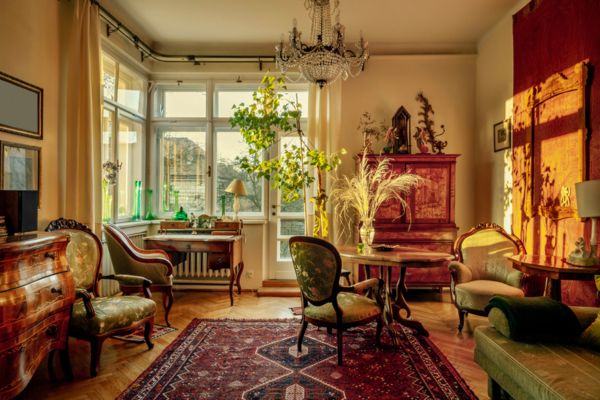
But which pieces of furniture truly grow in value? What does their appreciation depend on? And how can you recognize a piece that, in addition to enhancing a home, can represent a solid investment for the future?
Why antique furniture increases in value
The value of an antique piece of furniture does not grow by chance: it is a complex process, influenced by several factors that determine its economic appreciation over time. Understanding these elements is fundamental for collectors, antique dealers, and investors who wish to distinguish a valuable piece from a common object.
1. Rarity
Rarity is one of the main criteria that increase the value of a piece of furniture. A rare piece immediately captures the attention of collectors because it represents something unique or nearly so. Rarity can stem from limited production, the loss or destruction of many examples over time, or a specific geographical or historical origin that makes it difficult to find. For example, a 17th-century Venetian wardrobe or a Tuscan sideboard from a limited artisanal production naturally have greater appeal on the market.
2. Craftsmanship Quality
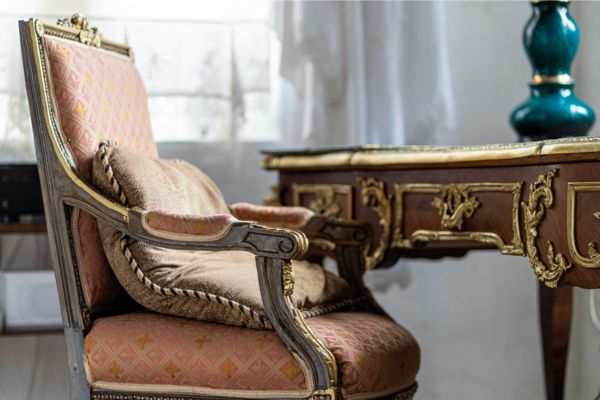
Antique furniture is often made entirely by hand, using complex techniques and precious materials. Inlays, nail-less joinery, elaborate carvings, and natural finishes bear witness to a masterful craftsmanship that is difficult to replicate today. The more a piece shows attention to detail and perfection in its workmanship, the greater its value will be over time.
3. State of Conservation
A well-preserved piece of furniture, with minimal and respectful restorations of its original features, tends to maintain and increase its value. Conversely, invasive or carelessly executed interventions can compromise its authenticity and reduce its price.
4. Provenance
The history of a piece of furniture significantly influences its value. Pieces from noble houses, historic palaces, or important collections often have a higher valuation due to their cultural and historical relevance.
5. Market Demand
Finally, collectors’ tastes and market trends play a decisive role. Certain styles or historical periods may experience cycles of great interest, causing the price of furniture from those eras to rise significantly. The combination of rarity, quality, and demand thus creates the conditions for a steady increase in value over time.
The main types of antique furniture that increase in value
1. 17th and 18th-Century Sideboards and Wardrobes
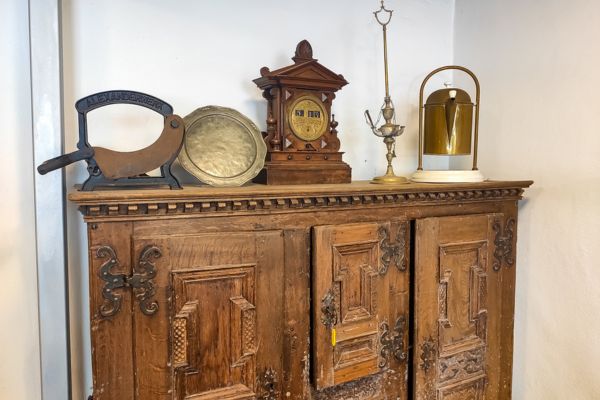
Antique sideboards, especially Italian and French ones, are among the most sought-after pieces of furniture. Made of walnut, oak, or cherry, they often feature solid paneling, original ironwork, and imposing proportions.
These pieces of furniture:
- are increasingly rare
- integrate well even into modern interiors
- have strong international demand
17th-century sideboards and 18th-century wardrobes have shown steady value growth in recent decades.
2. Antique Chests (Cassapanche)
Chests (cassapanche) represent one of the oldest types of furniture in European tradition. Used for storage, seating, and sometimes as beds, they were central to domestic life.
The most appreciated are:
- Italian Renaissance chests
- decorated wedding chests (cassoni)
- painted or carved examples
Their versatility and strong historical value make them highly coveted by collectors.
3. Antique Tables
Antique tables, particularly refectory or monastery tables, are extremely sought-after today.
Features that increase value:
- top made from a single solid plank
- turned or lyre-shaped legs
- vintage signs of age
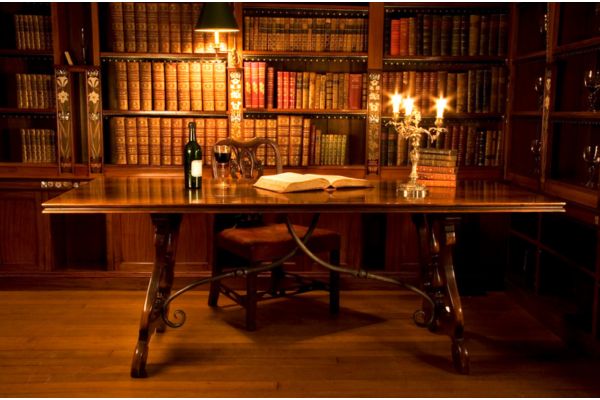
A large antique table can become the centerpiece of a contemporary setting, further increasing its market appeal.
4. Commodes and Chests of Drawers
Antique commodes, especially French and Italian ones from the 18th century, are among the pieces of furniture that have seen the greatest increases in value.
Particularly sought-after:
- Luigi XV and Luigi XVI commodes
- Venetian chests of drawers
- examples with inlays or stringing in precious woods
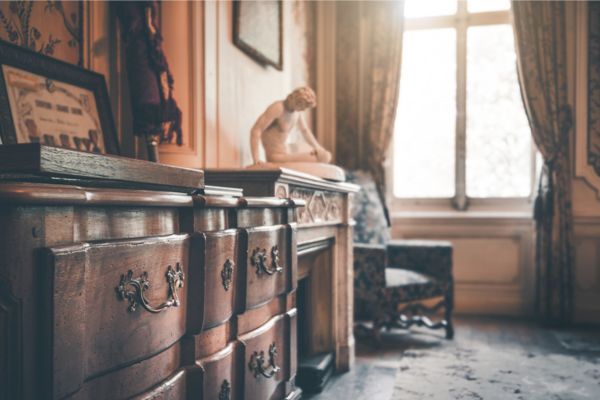
The combination of elegance, functionality, and contained dimensions makes them ideal even for modern homes.
5. Antique Desks and Writing Tables
Antique desks tell the story of the intellectual and administrative work of an era.
Increasing in value are especially:
- freestanding writing tables
- French cylinder desks (bureau à cylindre)
- Victorian English desks
The presence of original mechanisms and secret compartments helps to increase their charm and economic value.
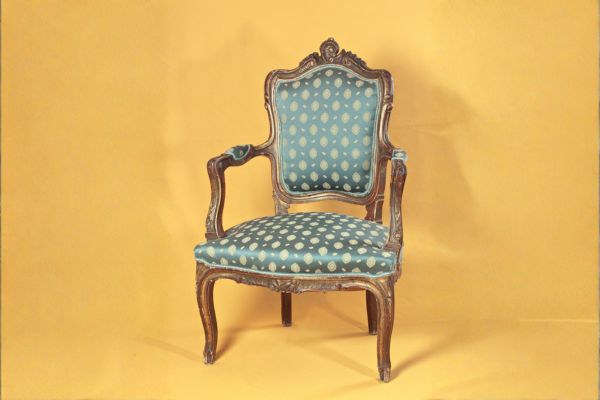
6. Antique Chairs and Armchairs
Although more subject to wear and tear, some antique seating has seen a significant increase in value.
In particular:
- Luigi XVI chairs
- bergère armchairs
- English Chippendale chairs
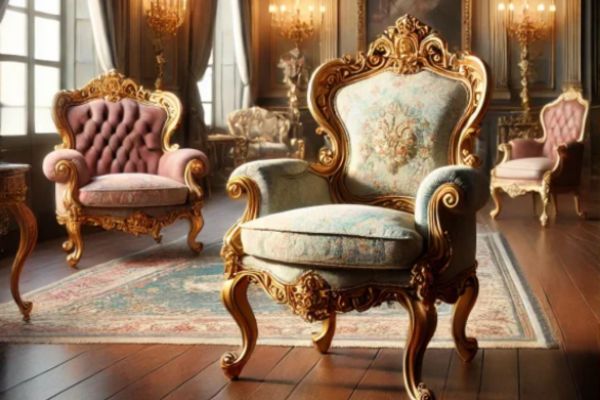
The original structure is the most important element; upholstery and fabrics can be replaced without compromising the value, if the intervention is done correctly.
Most Appreciated Historical Styles
Renaissance
Renaissance furniture is extremely rare and very expensive. Its value tends to grow steadily due to its scarcity and historical importance.
Baroque
Rich, imposing, spectacular. Baroque furniture, especially Italian, has become highly sought-after again in recent years.
Luigi XV and Luigi XVI
These French styles represent a perfect balance of elegance and proportion. International demand remains very high.
Empire
Solemn furniture, often with references to classical antiquity. vintage examples have strong potential for revaluation.
The Importance of Materials
In antique furniture, materials are not a secondary detail, but one of the main aspects that determine its value and appreciation over time. The choice of wood affects durability, aesthetic appeal, and the ability to endure through the centuries while maintaining charm and solidity. Among the most appreciated woods is walnut, famous for its warm color and elegant grain, often used for high-quality furniture such as tables, sideboards, and desks; over time, walnut develops a deep patina that enhances its original appearance, making it highly sought-after by collectors.
Oak is another hard and resistant wood, known for its stability and ability to withstand wear: oak surfaces tend to show a rich, deep patina with age, thus increasing their appeal on the antiques market. Mahogany, with its reddish-brown hue and fine grain, has always been associated with luxury furniture and high-end cabinetmaking; it was widely used in English and European pieces of the 18th and 19th centuries. Cherry, finally, is appreciated for its warm color that intensifies with age, giving furniture an elegant and refined look that captivates collectors and interior designers.
In addition to the type of wood, the use of complementary materials such as decorative bronzes, integrated marbles, or original finishes can also significantly affect the overall value of the object, especially when these elements are vintage and well-preserved. The combination of precious wood and quality details is often what distinguishes a highly valuable piece of furniture from a common production one.
Restoration: When It Increases and When It Destroys Value
- preserves the original patina
- respects period materials
- is reversible
A poor restoration:
- replaces original parts
- removes the signs of age
- uses modern materials
Many pieces of furniture have lost value due to aggressive restorations. The golden rule is to intervene as little as possible.
Antique Furniture as an Investment
In recent years, antique furniture has been increasingly considered a valid alternative to traditional investments, especially in periods of economic uncertainty and financial market volatility. Its ability to maintain and increase in value over time makes it attractive to both collectors and investors who are mindful of cultural heritage.
Advantages
One of the main advantages of antique furniture is that it consists of tangible assets, i.e., physical objects that can be appreciated even without financial intermediaries. This makes them less subject to speculative phenomena compared to purely financial instruments. Furthermore, they represent a form of protection against inflation: while money can lose value, a rare and well-preserved piece of furniture tends to maintain its real price, and in some cases, increase it. Antique furniture also offers everyday use: in addition to being an investment, it enriches domestic spaces with beauty, history, and functionality. Finally, it possesses a cultural value: each piece tells a story, an era, a lifestyle, conferring a meaning that goes beyond the economic aspect.
Disadvantages
However, investing in antique furniture requires specific expertise: it is essential to know styles, historical periods, materials, and construction techniques to distinguish an vintage piece from a reproduction. There are also conservation costs, related to adequate spaces, climate control, and maintenance. Finally, the antique furniture market is less liquid than other investments: selling a piece can take time, especially for the most valuable items, and the selling price can vary based on demand, trends, and the condition of the piece.
How to Recognize a Piece of Furniture That Will Increase in Value
Some positive signs:
- verifiable authenticity
- recognized style
- good proportions
- original patina
- stable market demand
Relying on a reputable antique dealer or an expert appraiser is always recommended.
Future Market Trends
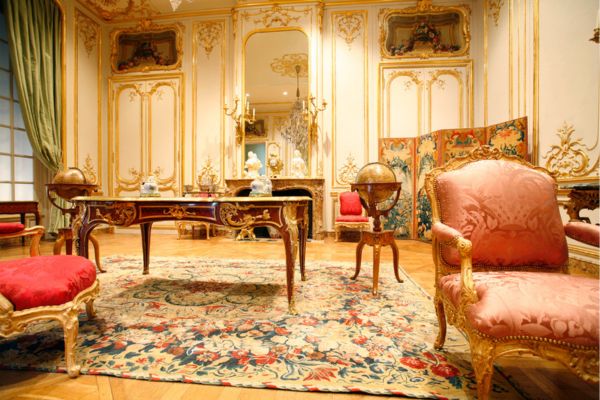
The antique furniture market is undergoing a profound transformation, driven by new trends in taste, decoration, and collecting. One of the most significant developments is the greater integration of period pieces into modern interiors. Increasingly, antique furniture is no longer seen as separate or exclusively “classic” elements, but as complements capable of creating elegant contrasts with contemporary furnishings. A Luigi XVI commode in a minimalist living room or a Baroque sideboard paired with linear-design furniture can become true focal points, enhancing the entire space.
At the same time, there is a growing interest from young collectors. The new generations, more aware of sustainability and attracted by authenticity, seek unique pieces with a story to tell. This renewed enthusiasm has expanded the market, leading to an increase in online auctions and dedicated fairs, where young enthusiasts compete to acquire vintage and quality furniture.
Meanwhile, demand is not limited to national borders: there is a strong international demand. Markets such as the American, European, and Asian ones particularly appreciate Italian, French, and English furniture from the 18th and 19th centuries, driving up the value of the most sought-after pieces.
In this scenario, vintage, well-preserved furniture with clear documentation will continue to increase in value over time, consolidating their status as safe investments. In contrast, mass-produced or heavily restored furniture tends to stagnate, as it lacks uniqueness, craftsmanship quality, and historical appeal. The combination of rarity, history, and beauty thus remains the true engine of economic appreciation.
Conclusion
Antique furniture that increases in value over time is not just a decorative object, but cultural capital. Every mark, every imperfection tells a story that no modern production can replicate.
Choosing an antique piece of furniture means:
- investing in the past
- living the present with style
- passing on value to the future
In an increasingly fast-paced and standardized world, antique furniture remains a symbol of durability, authenticity, and timeless beauty.