

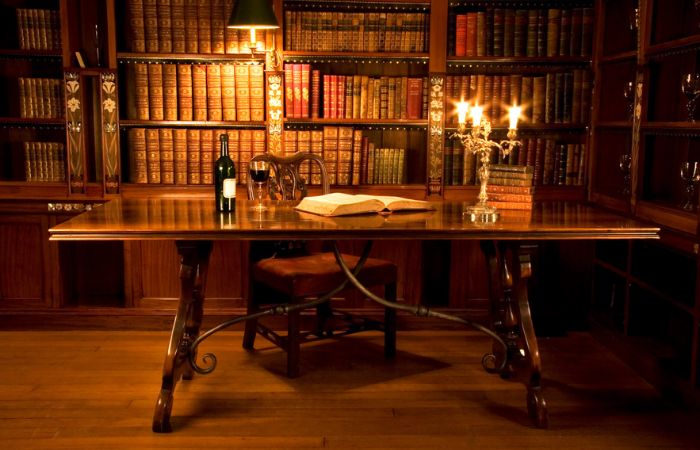
In everyday language, we often use the terms vintage and antique as if they were synonyms, but in reality, they represent two very distinct categories, with different characteristics, values, and cultural meanings. While ‘antique’ refers to objects that have spanned centuries and possess real historical value, the term vintage indicates more recent items, generally dating from a period between 20 and 100 years ago, that reflect the style and trends of a past era without necessarily having historical importance. The differences between these two categories are not limited to age: they also concern the production method, the materials used, rarity, commercial value, and even the cultural significance that each object carries.

Understanding these distinctions is fundamental not only for collectors and antique dealers, who must be able to correctly identify and evaluate each piece, but also for those who wish to furnish their home with style, make informed purchases, or simply appreciate the unique charm of objects from the past. An antique piece of furniture, for example, is not just a decorative element, but a historical testimony that tells of the customs, traditions, and craftsmanship of a distant era; likewise, a vintage garment or accessory can evoke nostalgia, personality, and originality, becoming symbols of taste and style.
In this article, we will explore in a clear and comprehensive way what distinguishes vintage from antique, providing guidance on how to recognize them, what criteria to consider in their evaluation, and how to choose the most suitable option based on your needs and personal preferences. The goal is to create a practical and informative guide, designed both for those approaching this fascinating world for the first time and for those who wish to refine their knowledge and judgment in choosing objects from the past. By the end of this read, the reader will be able to confidently distinguish between an antique and a vintage item, fully understanding the aesthetic, historical, and cultural value that each one carries.
What is Meant by Vintage
The term vintage has French origins and comes from the world of winemaking, where it indicated a harvest of particular quality. Over time, its meaning has expanded to include objects, clothing, and furnishings from the relatively recent past, but which are considered representative of a style or an era.
Generally, an item is defined as vintage when:
- it is between 20 and 100 years old;
- it is original to the era in which it was produced;
- it reflects the aesthetic trends, materials, and techniques typical of that period;
- it retains an aesthetic, cultural, or design value.
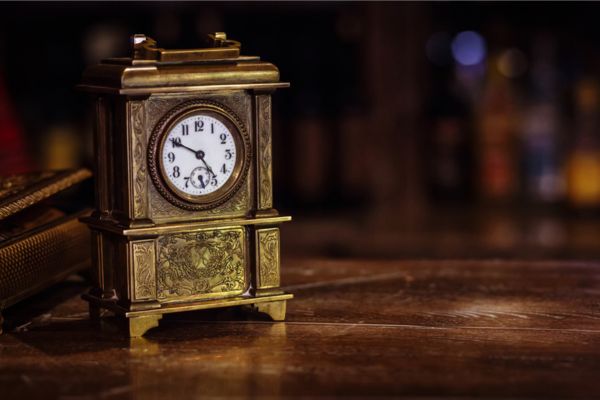
Vintage is strongly linked to the twentieth century, a century characterized by great social, technological, and industrial changes. Vintage objects can belong to clearly recognizable periods such as the ’50s, ’60s, ’70s, or ’80s, each with its own stylistic identity.
The Main Categories of Vintage
The world of vintage is extremely broad and includes several sectors:
- Furniture and design: modernist furniture, iconic chairs, industrial lamps, sideboards, and tables produced in the 20th century;
- Clothing and accessories: designer clothes, bags, glasses, jewelry, and period shoes;
- Objects and collectibles: vinyl records, radios, analog cameras, watches, and advertising posters;
- 20th-century collectibles: mass-produced everyday objects, now sought after for their aesthetic and nostalgic value.
Why Vintage is So Appreciated Today
The success of vintage in recent years is linked to a combination of cultural, social, and aesthetic factors. On one hand, there is a strong nostalgic component: vintage objects have the power to evoke memories, emotions, and atmospheres of past eras, allowing their owners to connect with stories and styles that might otherwise be lost. This emotional connection makes vintage particularly fascinating and personal, turning each piece into more than just an object: it is a small fragment of historical memory.
On the other hand, there is a significant growing attention towards sustainability and environmental impact. Buying vintage means giving new life to existing objects, reducing the demand for mass production and contributing to more conscious consumption. In an era where fast fashion and furniture generate enormous amounts of waste and intensively exploit natural resources, vintage emerges as a responsible choice, capable of combining aesthetics with respect for the environment.
In addition to these aspects, vintage also represents a way to stand out from contemporary production, which is often standardized and uniform. Enthusiasts can find unique, original, or otherwise hard-to-find pieces in modern stores, creating a personal and unmistakable style. Whether it’s a piece of clothing, a decorative item, or an accessory, vintage offers the opportunity to express creativity, taste, and individuality, making every purchase not just functional but also a choice of identity and personality.
What Antique Means
The term antique refers to objects that have passed the 100-year-old threshold. In the world of antiques, this distinction is very clear and represents a fundamental criterion for classification and valuation.
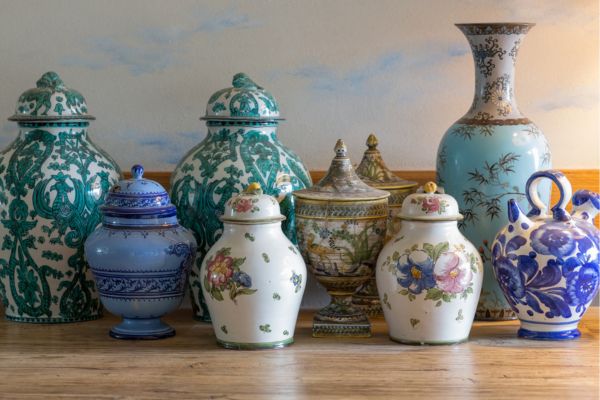
An antique object:
- belongs to a distant historical period;
- was predominantly made using artisanal techniques;
- possesses a strong historical and documentary value;
- is often rare or even unique.
The antique category includes furniture from the eighteenth and nineteenth centuries, paintings, sculptures, ceramics, silverware, rugs, old books, and sacred objects. Every antique piece is a direct testimony to the historical, social, and cultural context in which it was created.
The Cultural Value of Antiques
Unlike vintage, antiques do not follow trends. Their value is linked to history, the quality of materials, masterful craftsmanship, and preservation over time. An antique object is not just decorative; it represents a true historical document.
Owning an antique means safeguarding a fragment of the past and integrating it into the present, often with great respect and care.
Fundamental Differences Between Vintage and Antique
Although both belong to the past, vintage and antique have substantial differences that are important to know.
Age
The first and most obvious difference concerns age:
- vintage is between 20 and 100 years old;
- antique is over 100 years old.
Production Method
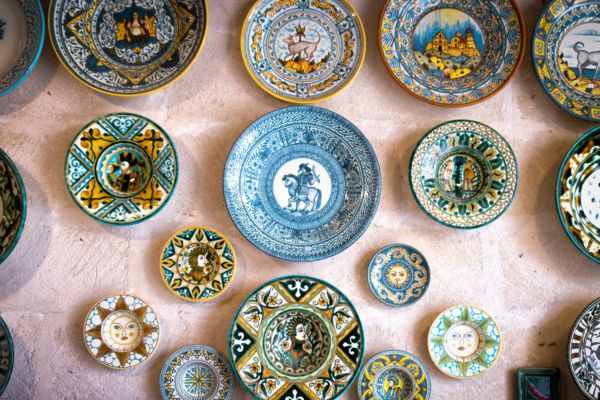
Vintage objects can be either handmade or industrial, often mass-produced. Antique objects, on the other hand, are almost always handmade, using traditional techniques and natural materials.
Historical and Economic Value
The historical value of antiques is generally higher than that of vintage. Consequently, the economic value of antique objects also tends to be higher, especially if they are well-preserved and documented.
Function and Use
Many vintage objects are still perfectly functional and usable in daily life. Antique objects, however, are often treated with greater caution and used mainly as decorative or collectible items.
How to Recognize a Vintage Object
Recognizing a true vintage object requires attention and a good knowledge of the reference period. Some useful elements are:
- Materials: plastic, Formica, chromed metal, and molded glass are typical of many twentieth-century productions;
- Style: geometric lines, bright colors, or minimalist design can indicate a specific era;
- Marks and signatures: labels, stamps, or manufacturer’s signatures help to date the object;
- Patina of time: the wear must be consistent with the stated age.
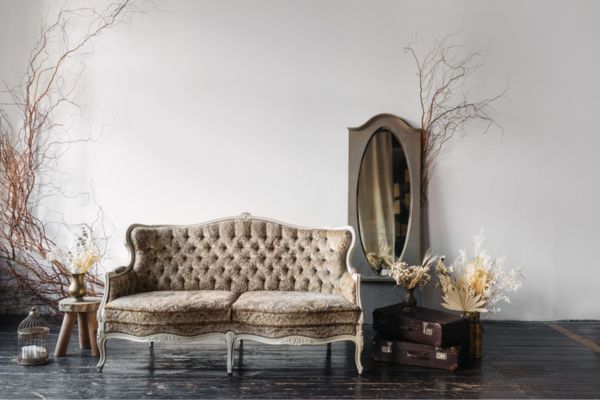
It is important to be wary of reproductions, which are often sold as vintage but are actually of recent production.
How to Recognize an Antique Object
Identifying an antique object requires more experience and, in many cases, the support of an expert. Some distinctive signs are:
- Construction techniques: dovetail joints, hand-forged nails, absence of modern screws;
- Natural materials: solid wood, stone, ceramic, artisan-crafted metals;
- Irregularities: small imperfections that bear witness to manual labor;
- Provenance: documentation, certificates, or stories passed down through time.
Preservation is a key element: invasive restorations can reduce the value of an antique object.
Vintage or Antique: Which to Choose
The choice between vintage and antique depends on several factors, including personal taste, budget, decorating style, and the intended use of the objects. Each option brings distinct advantages, and understanding the differences can help you make a more informed and satisfying choice.
Vintage is ideal for those who want to decorate with personality and character, incorporating original elements that tell of a past style without appearing out of place in modern settings. Thanks to its variety and availability, it represents a more accessible and versatile choice, perfect for those who want to experiment with creative combinations or add distinctive touches to their home without excessive investment. Furthermore, vintage allows you to express personal taste through iconic pieces, having fun creating unique compositions that reflect individual style.
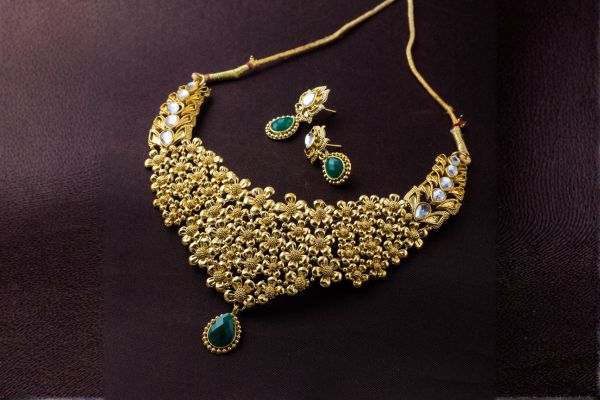
Antiques, on the other hand, are for those who love history and wish to surround themselves with objects that are true witnesses of the past. Antique pieces are often unique, made with masterful craftsmanship and fine materials, and they give spaces a sense of prestige, depth, and superior cultural value. This choice requires greater attention in the evaluation of authenticity, condition, and provenance, but in return, it offers not only a lasting investment but also the opportunity to own a tangible fragment of history and tradition.
Ultimately, while vintage allows you to play with style and creativity without major constraints, antiques offer a richer experience in historical and collectible value: understanding your priorities and aesthetic goals is the first step to choosing the option that best suits your needs.
Conclusion
Vintage and antique represent two distinct ways of dialoguing with the past, each with its own history, aesthetic, and emotional charge. Vintage tells the story of the recent past, the trends, fashions, and design of the twentieth century, allowing us to relive past atmospheres in an immediate and often more accessible way. Vintage objects capture the spirit of recent eras, conveying style and personality without being too distant or difficult to integrate into contemporary daily life.
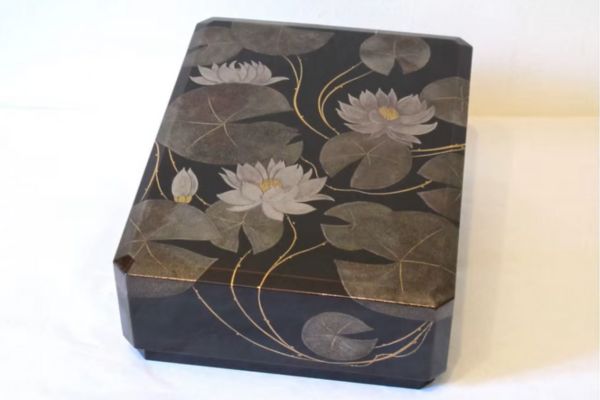
Antiques, on the other hand, hold centuries of tradition, art, and masterful craftsmanship. Each piece carries complex stories, refined techniques, and a cultural value that goes far beyond its practical function. To engage with antiques is to confront historical memory and objects that have passed through generations, becoming true witnesses of time.
Learning to recognize the differences between vintage and antique allows for more informed choices, fully appreciating the meaning and charm of every period object. Whether the goal is to furnish a home with character, start a collection, or make an investment, knowing this distinction is the first step to appreciating the depth and value of time’s mark, transforming every purchase into an experience of culture, aesthetics, and memory.