
Collecting antiques is much more than a simple hobby: it’s a journey through time, a way to preserve history and give value to objects that tell stories of past eras, styles, and lives. However, for a beginner, the world of antiques can seem complex, full of pitfalls, and rich with unwritten rules. Prices, authenticity, restorations, provenance, condition, auctions, reliable dealers, market trends: there are many elements to consider to get started on the right foot.
In this comprehensive guide, you will find a clear and safe path to approach collecting antiques, avoiding the most common mistakes and learning how to build a coherent, valuable, and above all, personal collection.
1. Understanding What Makes an Object “Antique”
Before you begin, it’s essential to clarify what is meant by an antique object. Generally, in the world of antiques:
- an object is defined as antique when it is at least 100 years old;
- an object less than 100 years old but with particular aesthetic or historical characteristics is considered vintage or mid-century modern;
- unique pieces, custom-made or of limited production, can have value even if they are more recent.
This initial distinction will help you better understand what you are looking for and navigate catalogs, shops, fairs, and auctions with confidence.
2. Choosing a Theme or a Collecting Field
One of the most common mistakes beginners make is buying objects randomly, guided by impulse, the excitement of the moment, or simply by the aesthetics of a piece that catches their eye. This instinctive approach, while understandable, often leads to building a heterogeneous collection that is difficult to enhance and lacks a common thread. The result is a collection composed of individually fascinating objects, but unable to dialogue with each other or tell a coherent story. For this reason, the first step for anyone wishing to approach collecting in the right way is to define a theme, that is, a clear criterion to guide every purchase.
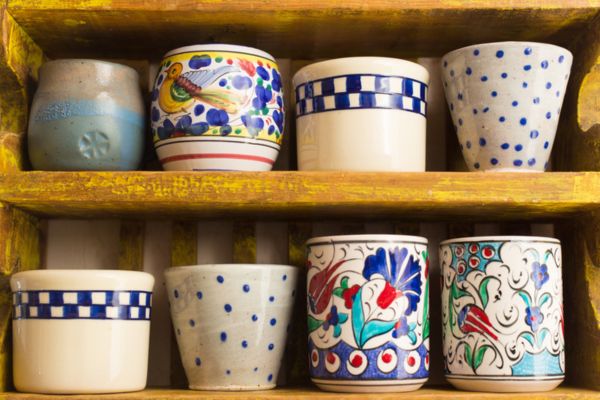
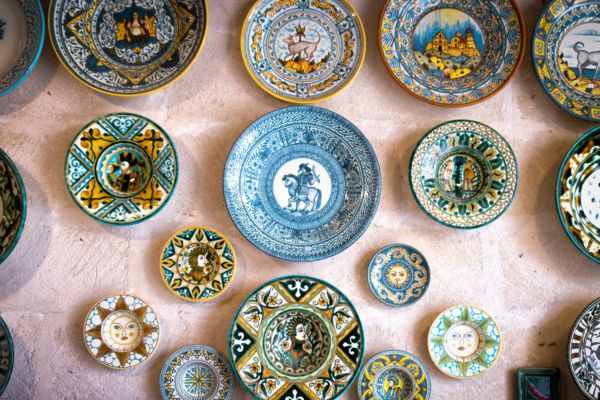
The theme can be structured in various ways. Some collectors choose to focus on a category of objects, such as porcelain, silver, paintings, antique furniture, rare books, pocket watches, sacred icons, coins, or medals. Others prefer to focus on a specific era, such as Baroque, Neoclassical, Art Nouveau, Art Deco, or even the 1950s–70s, periods that have well-defined aesthetic and technical characteristics. A third possibility is to select a geographical origin, for example, Italian antiques, French art, Oriental objects, or English collectibles, each with its own distinctive styles and craft traditions. Finally, some collectors build their collection around a technique or a material, such as inlay, majolica ceramics, patinated bronzes, or Murano glass.
Defining a focus does not mean giving up creativity, but rather allows you to build a coherent collection, more appreciated on the market and much easier to enhance over time. A collection guided by a theme has an identity, character, and an internal logic that makes it unique.
3. Study and Research: The Key to Avoiding Mistakes
Collecting is a field where information is as valuable as the money you invest. Before making significant purchases, take the time to:
• Study specialized books and manuals
Many areas of antiques have essential reference bibliographies.
• Visit museums
Being able to observe forms, techniques, and proportions in person helps in recognizing originals.
• Look at auction catalogs
Auction houses like Sotheby’s, Christie’s, or Dorotheum offer detailed descriptions and up-to-date estimates.
• Follow forums and collector groups
The direct experiences of experts are worth their weight in gold for a beginner.
• Learn the language of antiques
Terms like patina, provenance, conservative restoration, lost-wax casting, coeval, signed must become familiar.
The greater your knowledge, the lower the risk of buying copies, reconstructed pieces, or overvalued objects.
4. Verifying Authenticity: How to Recognize a Genuine Object
Authenticity is the heart of collecting, but it is also the main source of mistakes.
Here are the elements to check:
• Provenance
An object accompanied by documentation, certificates, receipts, historical photos, or original catalogs greatly reduces the risk of fakes.
• Condition and consistent wear
Antique objects show:
- compatible scratches,
- natural patina,
- harmonious oxidation,
- small defects from time.
A surface that is too perfect can indicate excessive restoration or a reproduction.
• Materials and construction techniques
Modern technologies leave ‘traces’: laser welds, industrial screws, acrylic paints. A trained eye will recognize them immediately.
• Comparison with known models
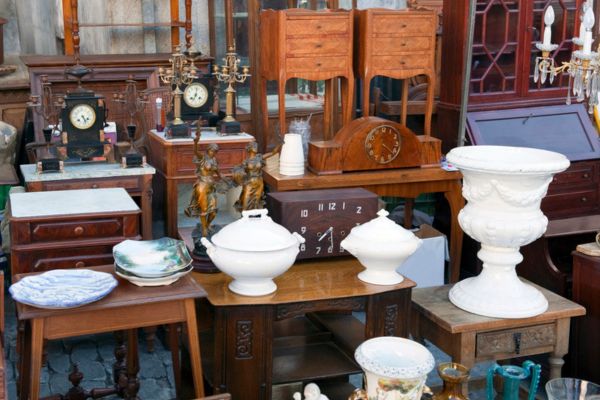
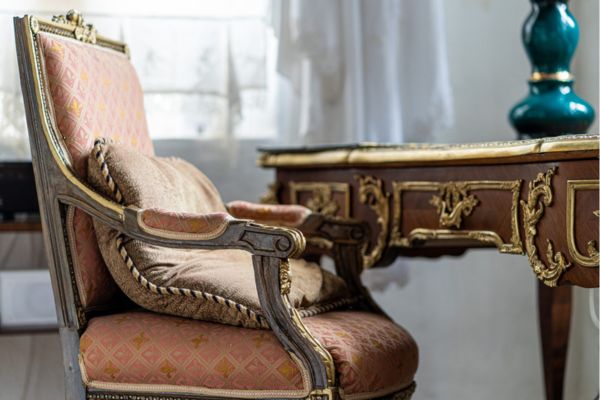
Each era has specific characteristics: the style of a table’s legs, the type of handle, the quality of the wood, the proportions. Always compare the object with certified examples.
• Request an appraisal
If you have doubts about a significant purchase, you can turn to an appraiser registered with a board or a recognized association.
5. The Patina: Why You Shouldn’t Rush to “Make It New Again”
A frequent mistake is wanting to ‘restore’ an object to make it look newer.
The truth? The patina is part of the value.
Signs of time, oxidation, browning, natural wear are testaments to authenticity and history. Removing the patina can:
- reduce its economic value,
- distort the original style,
- compromise delicate materials.
If an object requires restoration, have it done by a professional specialized in the specific field. The restoration must be conservative, never invasive.
6. Establishing a Realistic and Sustainable Budget
Collecting can be an accessible pleasure or an expensive passion: it depends on the field you choose.
To start, it’s useful to define:
- a monthly or annual budget,
- how much you are willing to spend on a single piece,
- a list of priorities.
A trick: don’t aim for the most expensive pieces right away. First, learn to recognize vintage objects and their distinctive features.
Remember: quality is more valuable than quantity.
7. Buying in the Right Places
Where to buy antiques and feel secure?
• Professional antique dealers
Serious antique shops offer guarantees, expertise, and a quality selection.
• Auction houses
From international to small local houses: you will find certified pieces and professional descriptions.
• Specialized fairs and markets
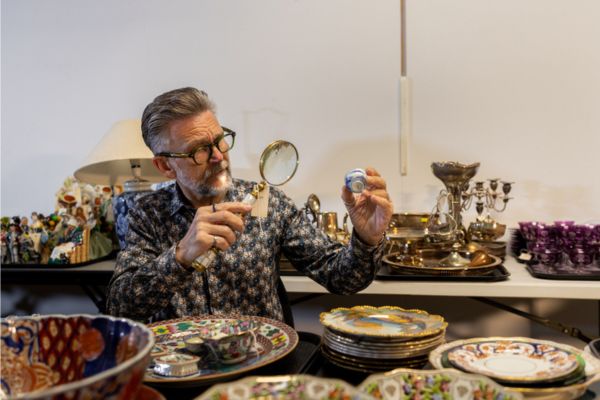
Perfect places to discover rare objects and learn by comparing prices and conditions.
• Private collectors
You can often find unique pieces, but it’s important to verify the provenance.
• Reliable online platforms
There are certified marketplaces where every object is carefully described and authenticated.
Avoid impromptu sellers or listings with few details: they are the main source of mistakes for beginners.
8. Learning to Assess the Right Price
The price of an antique object is never random: it arises from the convergence of several factors that determine its real market value. Rarity is often the most immediate element: the harder a piece is to find, the higher its price will be. To this are added the conditions of preservation, because even a valuable object can lose value if it has invasive restorations, breakages, or missing parts. The era of production and the materials used play an equally important role: certain historical periods and techniques are particularly sought after by collectors.
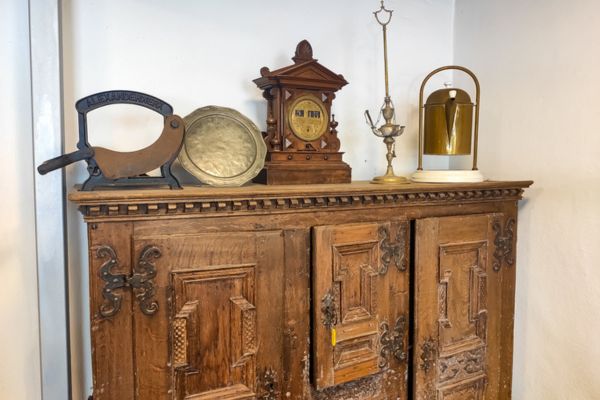
The author’s signature, when present and verified, can significantly increase the valuation, as can documented provenance, which provides further guarantees about the piece’s history and generates greater trust among potential buyers. No less relevant is market demand, which can cause prices to fluctuate based on current trends.
To understand if a price is truly correct, it is essential to compare the object with recent auction catalogs, where you can find real and updated valuations. Checking similar items for sale, asking for multiple opinions from experts, and carefully evaluating prices that are too low or too high allows you to avoid mistakes. With experience, you will learn to develop a truly critical ‘eye,’ capable of immediately recognizing when a piece is really worth what it costs.
9. Creating a Coherent and Valuable Collection
A well-built collection is not just a set of objects, but a story.
To create a high-level collection:
• Follow a clear stylistic line
For example: ‘French Art Deco objects from the 1930s’.
• Think quality, not quantity
A few excellent pieces are worth more than many mediocre ones.
• Document every purchase
Collect photos, receipts, descriptions, and certifications.
• Curate the display
Lighting, secure shelves, and appropriate stands enhance each piece.
A curated collection becomes a personal asset that can grow over time.
10. Choosing with the Heart, Not Just the Head
Although technical knowledge is fundamental, collecting is above all a matter of personal taste.
Always ask yourself:
- Does this object move me?
- Does it fit into my vision for the collection?
- Do I still see it in my collection in 10 years?
The choice must be rational, but also emotional: this is how a unique and vintage collection is built.
11. Preserving and Maintaining Your Objects
Once you have purchased a piece, it is important to preserve it correctly.
• Control temperature and humidity
Wood, parchment, paint, and textiles are sensitive to climatic fluctuations.
• Avoid direct sunlight
It can fade paints, papers, and fabrics.
• Use professional products
No aggressive detergents or improvisations.
• Handle objects with care
Especially ceramics, silver, and glass.
A well-preserved object maintains and often increases its value.
12. Interacting with the Collector Community
An important step for growth is sharing your passion.
You can:
- participate in events and fairs,
- follow specialized newsletters,
- join groups of enthusiasts,
- engage with expert antique dealers and collectors.
This allows you to improve, get valuable advice, and discover unique buying opportunities.
13. Avoiding the Most Common Mistakes
Here is a list of mistakes that almost all beginners make:
- buying without doing research,
- being guided only by price,
- buying overly restored objects,
- underestimating the patina,
- buying without a specific theme,
- relying on non-transparent sellers,
- building the collection too quickly,
- not verifying the provenance.
With this guide, you have already taken a decisive step to avoid them.
Conclusion: Start with Calm, Passion, and Awareness
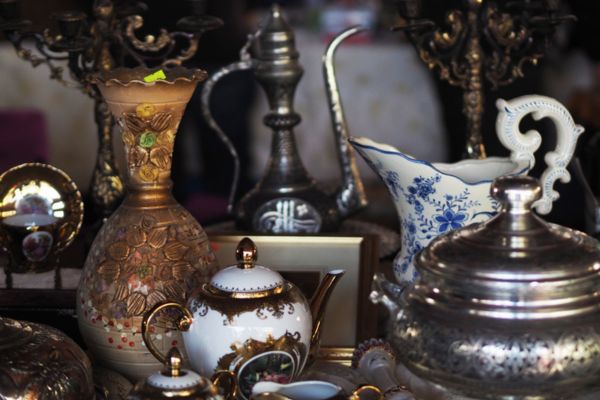
Collecting antiques is a fascinating adventure, a journey through eras, styles, and stories. To start without making mistakes, you need to:
- study,
- observe,
- choose with criteria,
- buy with prudence,
- be guided by passion.
Over time, you will develop a keen eye, a coherent collection, and the satisfaction of having built something unique and lasting.
FAQ – How to Start Collecting Antiques
What are the first steps to start collecting antiques?
The first step is to define a collection theme, research the eras and materials, and learn to recognize authenticity, patina, and provenance.
How can I tell if an antique object is vintage?
Check the provenance, the natural signs of wear, materials consistent with the era, and compare the piece with certified examples or request a professional appraisal. Where is it best to buy antiques safely?
It is advisable to buy from professional antique dealers, auction houses, specialized fairs, or reliable marketplaces that offer detailed descriptions and guarantees.
How important is the patina on antique objects?
The patina is part of the object’s value and history. Removing it or restoring it aggressively can significantly decrease its value.
What is the recommended initial budget for a beginner?
You can start even with a small budget. The important thing is to focus on a few quality pieces that are well-researched and consistent with the chosen theme.