

Antiques and childhood: balancing curiosity and safety
There’s a special charm in touching an antique object: the wood smoothed by the hands of artisans from centuries ago, the bronze that has absorbed the light of so many generations, the fabric that tells stories of daily life and great occasions. Antiques are not just pieces of furniture or collectibles: they are custodians of memory, culture, and beauty. But what happens when there are small children in that house full of history? How do you reconcile a passion for antiques with the need to protect your family and, at the same time, preserve the value and integrity of fragile and often precious objects?
Over the years of my experience as a journalist specializing in antiques, I have seen private collections and historic houses where objects told incredible stories, but also situations where small accidents could have turned a treasure into a broken memory. Today I will guide you on a journey that combines historical curiosity, stories of rare pieces, and practical advice on how to live harmoniously with children and antique objects.
The charm of antique objects
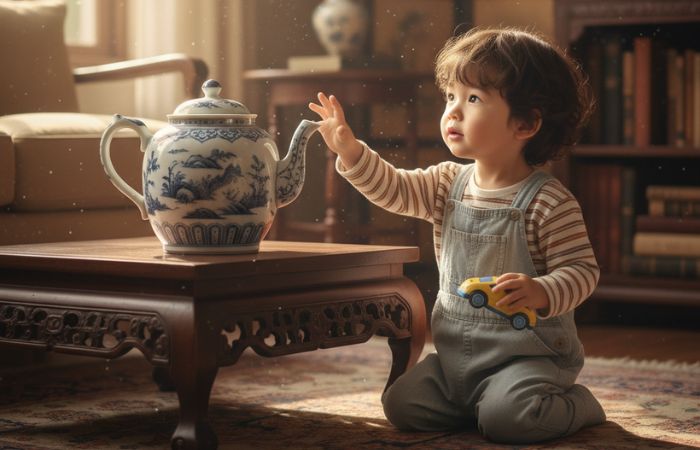
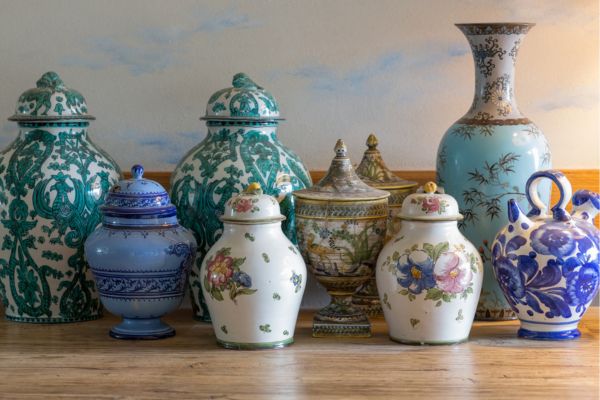
Antiques have a language all their own. An 18th-century chair, with its delicate carvings, tells of the craftsmanship and the bourgeois homes that housed it. A Chinese porcelain teapot, with its exquisite decoration, speaks of trade, explorers, and long and dangerous journeys. Every imperfection, every small crack, is a witness to the time that has passed and the hands that touched that object before us.
When there are children in the house, this beauty becomes both a joy and a challenge. The natural curiosity of children leads them to explore everything: curious little hands want to touch, shake, and move things. How can we then allow them to grow up surrounded by history and beauty without jeopardizing their safety or that of the objects?
Antiques and home safety: a possible balance
The first fundamental rule is to remember that the safety of children comes first. Antique objects, especially those made of glass, porcelain, bronze, or fragile wood, can pose a risk if left within reach of children. However, this does not mean giving up beauty or relegating precious pieces to closed rooms. With a few precautions, it is possible to create an environment where history and childhood coexist harmoniously.
1. The arrangement of objects
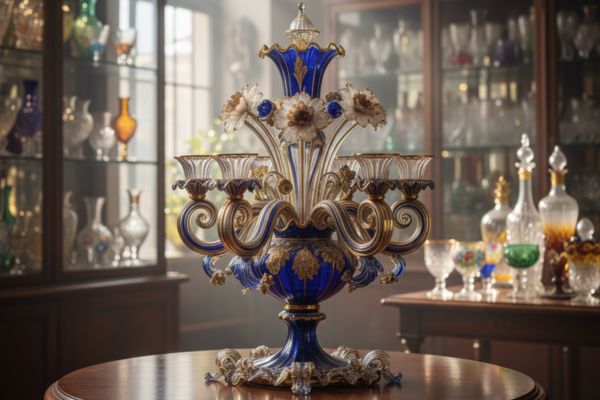
One of the simplest and most effective tools is to think carefully about the arrangement of objects. The most fragile or valuable pieces can find space in closed display cases, high shelves, or in areas of the house less frequented by children. It is not about hiding beauty, but about making it safe: a porcelain teapot on the fireplace or an antique vase on a low table immediately become a source of risk.
On the contrary, some less delicate objects, such as antique books bound in leather or small solid wood objects, can be placed in accessible areas, allowing children to observe, touch, and even learn respect for historical objects.
2. Discrete barriers and protections
Many collectors and families with small children choose discrete physical barriers, such as display cases with locks, protective handrails, or elegant corner protectors that do not clash with the decor. These measures allow you to safeguard the integrity of the objects without turning the house into a cold and impersonal museum.
Personally, I have visited houses where the beauty of carved wood or colored glass was protected by a simple transparent plexiglass barrier: invisible from afar, but effective in keeping curious little hands away.
3. Educate with curiosity
Children have a natural curiosity: transforming it into education in respect and history can be a winning strategy. Telling short stories about objects, explaining that some things are hundreds of years old and deserve attention, allows you to cultivate a precious awareness in children.
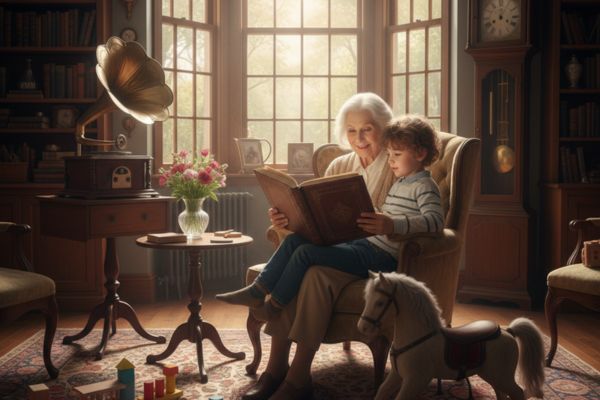
For example, a small antique painting can become an opportunity to talk about how people painted in the past, about natural materials and pigments, and how each object has its own story. This approach transforms protection into a gesture of sharing and learning, rather than a simple imposition.
Conservation: time as an ally
Protecting objects also means taking care of their conservation, and this applies both to exposed pieces and those in storage. Temperature, humidity, light, and cleaning are fundamental factors to ensure that an object survives the passage of years without losing its beauty or integrity.
For children, some practical measures can make a big difference:
- Controlled natural light: light curtains filter intense light, preventing antique fabrics and papers from fading.
- Stable humidity: tools such as dehumidifiers or hygrometers help prevent wood from warping or mold from forming in fabrics.
- Safe cleaning: use soft cloths and delicate products, avoiding harsh detergents that could leave toxic residues if children touch the objects.
Every little precaution increases the longevity of the objects and reduces the risk of domestic accidents.
Small objects, big stories
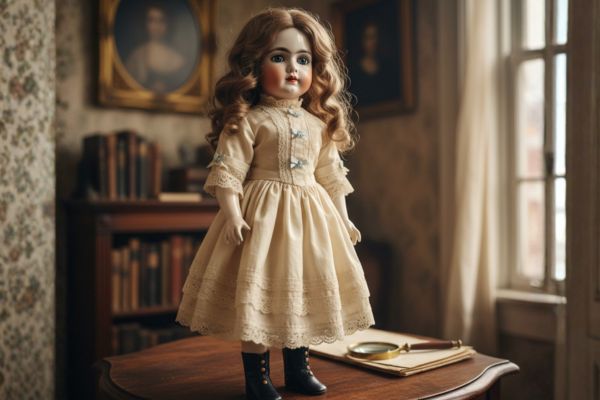
I always like to remember how, sometimes, the smallest pieces are the ones that tell the biggest stories. An antique toy, a 19th-century ceramic doll, a small inlaid wooden box: these objects become bridges between past and present, instruments of wonder and learning.
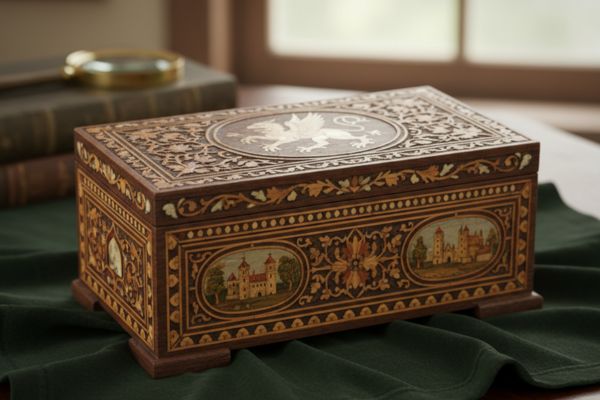
When there are children in the house, we can use these objects as educational tools, showing how the past is reflected in the present. And at the same time, we can teach respect and care: every object has its own story, and every story deserves attention.
The art of living with antiques and children
Living together does not only mean physical protection: it also means creating an environment where history and curiosity can coexist without tension. Some strategies that I have seen work in collectors’ homes include:
- Mixed zones: spaces dedicated to children, with safe games and objects, next to areas where more fragile pieces are displayed.
- Observation routines: moments when children can “visit” the objects under supervision, learning to handle them with care.
- Involvement in choices: allowing children to participate in arranging safe pieces or cleaning sturdy objects, transforming protection into an educational game.
In this way, antique objects become part of daily life, not obstacles or hidden dangers.
Insurance and prevention
For those who own valuable objects, especially in homes with children, it is also advisable to consider dedicated insurance policies. Many companies offer solutions to cover accidental damage, theft, or unforeseen events, allowing parents to experience the beauty of the past without constant anxiety.
It is a practical but also symbolic gesture: it recognizes the importance of objects and the responsibility to preserve them, without turning the passion for antiques into a source of stress.
Stories of objects and childhood
Over the years, I have collected many stories of collections and families. I remember a house in Turin where a four-year-old girl was fascinated by an 18th-century grandfather clock. Initially, the parents were worried: “What if she touches it?”, they told me. I watched the girl as she listened to the story of the clock, learned to recognize the hands and the ticking, and gradually transformed from a potential danger into a small guardian of memory.
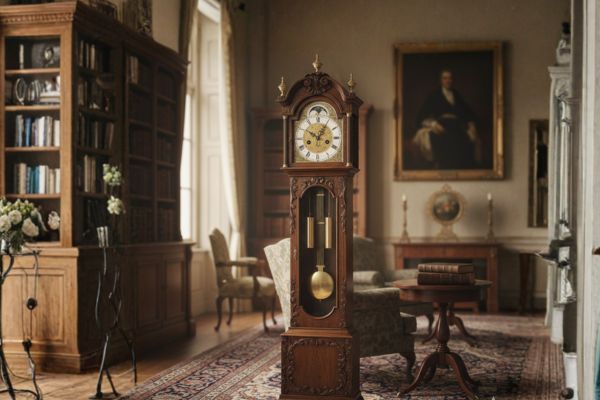
These experiences show that the coexistence between children and antiques can be a mutual enrichment: children learn to respect the past, and objects continue to live, transmitting their history.
Curiosity and learning
A further advantage of the presence of children in environments with antique objects is the possibility of stimulating curiosity and learning. Each piece becomes a door to history:
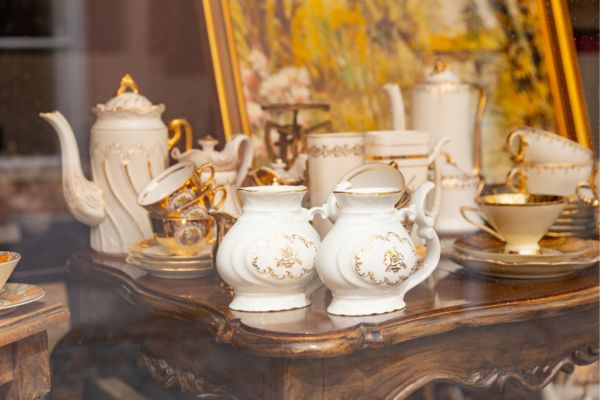
- An 19th-century English tea set can become an opportunity to talk about social customs, travel, and trade.
- An inlaid box can introduce geometry, decorative art, and the craftsmanship of the past.
- An illustrated antique book becomes a bridge between art, literature, and material culture.
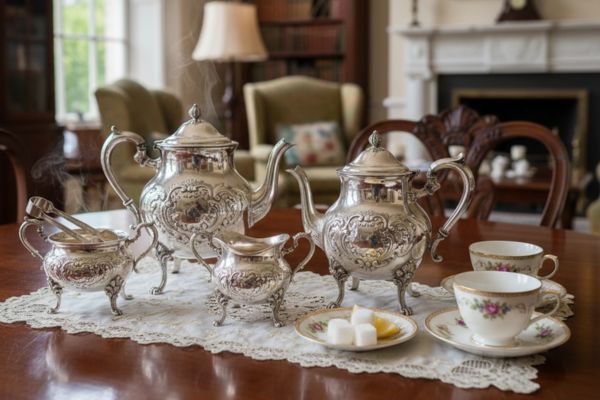
In this sense, antique objects are not only to be protected: they are to be lived, observed, and told about.
Beauty, safety, and memory
The coexistence between children and antiques is an exercise in balance: beauty and fragility, curiosity and caution, past and present. There is no single recipe, but there are simple guidelines:
- Place fragile objects in safe areas.
- Use discrete barriers and protections.
- Educate children with stories and curiosities.
- Take care of the conservation and maintenance of objects.
- Consider dedicated insurance.
By following these principles, you can create an environment where history continues to speak, children learn, and objects survive.

The charm of antiques should not be sacrificed to safety, nor should safety be ignored in the name of beauty. With attention, passion, and curiosity, it is possible to experience history in your own home, transforming each object into a lesson and each day into a small journey through time.