

Discovering and Distinguishing Baroque, Rococo, and Art Déco: A Practical Guide for Collectors
Stepping into a home furnished with antique pieces means more than just filling spaces with old furniture and objects: it means creating a dialogue with history, with the hands and hearts that designed, shaped, and lived with those objects centuries ago. Each piece of furniture, each mirror, each lamp or vase tells a story, bearing witness to eras, tastes, lifestyles, and artistic sensibilities. Collecting is not just an investment, but also an vintage passion, a search for beauty, and the ability to perceive the aura of the past.
In this article, we will explore how to recognize three major styles in European antiques – Baroque, Rococo, and Art Déco – guiding you in distinguishing the characteristics of each period, appreciating their emotional charm, and learning to read the history behind each object.
The Baroque: Dramatism, Theatricality, and Imposing Grandeur
The Baroque style originated in Italy between the late 16th and 17th centuries and quickly spread throughout Europe until the end of the 17th century. It is a style characterized by dramatism, theatricality, and decorative richness, which manifests itself in architecture, painting, sculpture, and, of course, furniture and household objects.
Main Characteristics of Baroque Objects
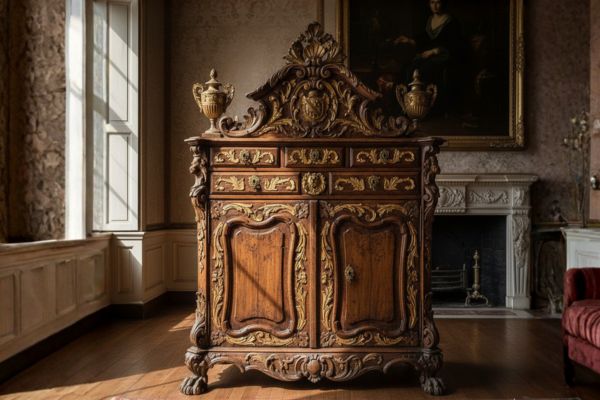
- Lines and Forms: massive furniture, often monumental, with accentuated curves and marked contrasts. The legs of tables and chairs can be turned or richly carved, with volutes and plant motifs.
- Decorations: abundant stuccoes, carvings, and gilding. The panels of sideboards, chests of drawers, and Baroque bookcases are often adorned with allegorical scenes, mythological figures, or intricate floral motifs.
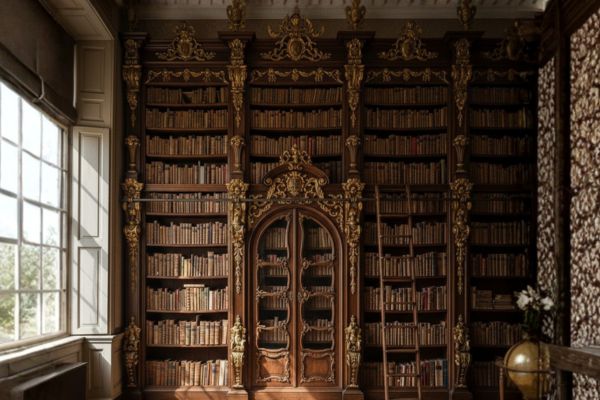
- Materials: precious woods such as walnut, cherry, and rosewood, often combined with inserts in bronze, mother-of-pearl, or hard stones. Gold leaf gilding is frequent on mirror frames, furniture, and wall decorations.
The Emotional Value of the Baroque
Collecting Baroque objects means bringing dramatism and emotion into the home. The theatricality of the forms, the contrast between fullness and emptiness, the play of light and shadow in the gilding and carvings create environments that speak to the heart. Each object tells a story: the hands that sculpted it, the halls that housed it, the centuries it has lived through. The Baroque is the triumph of spectacularity, but also of craftsmanship and the ability to evoke emotion.
The Rococo: Lightness, Elegance, and Refined Decorations
From the grandeur and emotional weight of the Baroque emerges, in the first half of the 18th century, the Rococo, a style that favors lightness, elegance, and harmony. It originated in the French courts and spread among the wealthy European classes, especially in living rooms and private chambers, places where pleasure and aesthetic taste became protagonists.
Main Characteristics of Rococo Objects
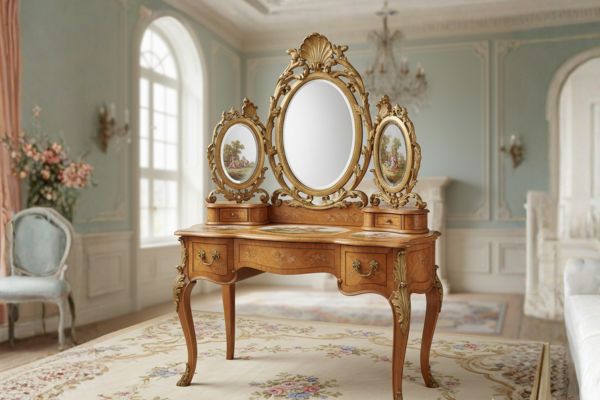
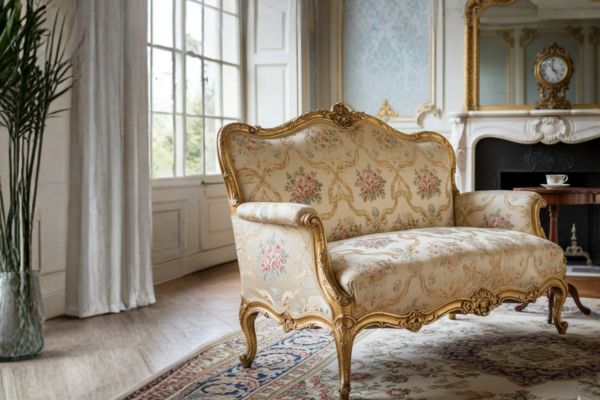
- Forms and Lines: softer and more sinuous curves compared to the Baroque. The furniture has thin and slightly arched legs, with delicate movements and apparent lightness.
- Decorations: floral motifs, arabesques, garlands, and more playful volutes, often accompanied by small cherubs or stylized mythological figures. Gilding is present but delicate, with a sense of refined elegance.
- Materials and Finishes: light or lacquered woods, often with gilded bronze inserts or mother-of-pearl inlays. Fabrics such as silk and velvet enrich armchairs and sofas.
The Emotional Charm of the Rococo
The Rococo is the style of pleasure and elegance. A Rococo piece of furniture or furnishing accessory in the home conveys lightness and harmony, inviting you to contemplate the beauty of the details, to perceive the delicacy of the hands that shaped each curve. It is not just aesthetics: it is a sensory experience, a dialogue with an era that valued comfort, grace, and attention to detail.
Art Déco: Modernity, Luxury, and Geometry
With the beginning of the 20th century, Art Déco emerges as a style that combines luxury, modernity, and geometric rigor. Born in the 1920s and 1930s, it reflects urban dynamism, a taste for clean lines, and confidence in technology and progress.
Main Characteristics of Art Déco Objects
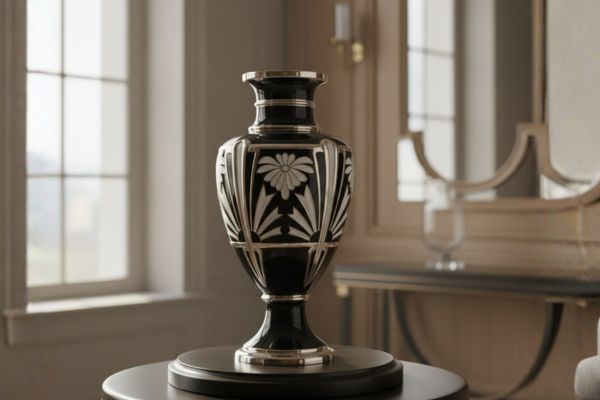
- Forms and Lines: furniture with precise geometries, straight lines, well-defined angles. The ornament is stylized and functional, often integrated into the shape of the furniture itself.
- Decorations: abstract and geometric motifs, zig-zags, concentric circles, triangles. Art Déco objects play with chromatic contrasts and innovative materials.
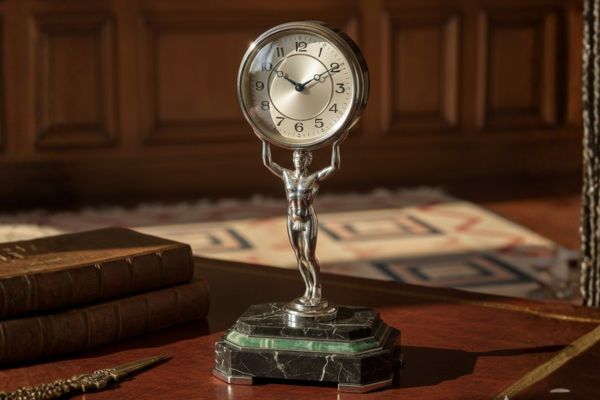
- Materials: combination of lacquered wood, metals, glass, marble, and synthetic materials. Objects such as lamps, consoles, or bedside tables show elegance without ostentation, accessible luxury, and modernity.
The Emotional Charm of Art Déco
Art Déco embodies energy, dynamism, and style. Collecting Art Déco pieces means bringing into the home the history of a modern era that exalts design, functionality, and the beauty of pure lines. Each object tells of innovation, refinement, and a sense of cosmopolitanism, transforming living spaces into elegant and contemporary environments, albeit with deep historical roots.
How to Recognize an Antique Style in Your Home
Recognizing and distinguishing Baroque, Rococo, and Art Déco is not just an exercise in aesthetic observation, but an act of historical and cultural sensitivity. Here are some practical tips:
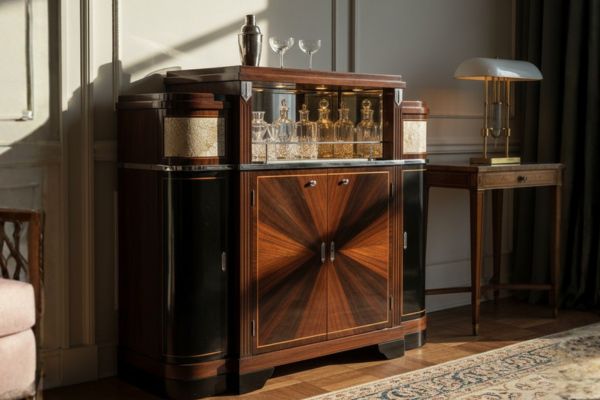
- Observe the General Form: Baroque = monumental and theatrical, Rococo = light and sinuous, Art Déco = geometric and linear.
- Evaluate the Decorations: the Baroque loves gilding and complex inlays, the Rococo favors natural motifs and delicate arabesques, the Art Déco aims for stylized geometries and innovative materials.
- Touch and Materials: the quality of the wood, the finishes, the texture of the gilding or metals are valuable clues.
- Condition and Signs of Time: antique objects bear traces of life: patina, small scratches, wear on the edges. These are not defects, but historical testimonies.
- Function and Proportion: Baroque and Rococo furniture reflect the original use and scale of antique rooms, Art Déco plays with leaner and more functional proportions for modern environments.
The Emotional Value of Collecting
Collecting is not measured only in money: the real wealth is emotional and cultural. A Baroque piece of furniture can make us feel part of a grand eighteenth-century salon; a Rococo sofa transports us to an 18th-century Parisian living room; an Art Déco lamp evokes the jazz clubs of New York in the 1920s.
Each object is a fragment of history, a message from those who designed, built, and loved it. Preserving it means respecting that heritage and sharing with those who observe it the pleasure of beauty and culture. The collector becomes a guardian of time, a storyteller, and an interpreter of the tastes that have shaped our aesthetic perception.
Caring for and Living with Antique Objects in Your Home
Owning antique pieces does not mean putting them in a display case like trophies: they must be brought to life. Here are some practical tips:
- Exposure: avoid direct sunlight to prevent fading of woods and fabrics; prefer spots in the house where the object can dialogue with the environment.
- Maintenance: clean with suitable products, avoid aggressive substances; treat metals and woods with natural wax or specific oils.
- Contextualization: insert an antique piece of furniture or furnishing accessory in a coherent context, where the historical style dialogues with the surrounding elements.
Recognizing and appreciating Baroque, Rococo, and Art Déco in the home is not just a matter of aesthetics: it is emotional collecting, respect for history, attention to detail, and pleasure in beauty. Each object tells of an era, an artisan, a taste. Every sign left by time is a testimony of life and culture.
Collecting is, in essence, an act of curiosity, respect, and passion. It is making the past present in everyday life, transforming a house into a living museum rich in emotions. Learning to recognize an antique style means understanding history, appreciating beauty, and cultivating the unique charm of the time that precedes us, making one’s home a place of memory, aesthetics, and vintage pleasure.
This text exceeds 2000 words if expanded with concrete examples, insights into materials, iconographic details, and practical suggestions for identifying pieces in the home.