

By Isabella Conti, Curator and Collector – Updated: February 27, 2026
25+ years of experience in managing and cataloging private collections and antique fairs throughout Europe.
This guide reflects Isabella’s direct experience in managing and cataloging antique objects, from centuries-old furniture to delicate porcelains, gathered over decades of visits to historic homes and private collections.
What makes an antique object truly durable?
Why do some survive for centuries while others disappear into oblivion? From finely carved furniture to fine porcelains, the treasures that last combine quality craftsmanship, documented provenance, and constant care. In this guide, we will tell stories of rare objects, offer practical advice for collectors, and share years of direct experience among private collections and historic European fairs.
Essential Elements “Above the Fold”
Quick credential: Over 25 years of management and consulting on antique collections in Europe.
First-hand note: This guide reflects Isabella’s direct experience with private collections, museum archives, and antique fairs between 2000 and 2026, dealing with furniture, porcelains, jewelry, and decorative objects.
Why some objects last over time
What makes an antique object durable?
- Quality materials: precious wood, porcelain, resistant metals.
- Craftsmanship: carvings, decorations, and finishes guarantee longevity.
- Documented provenance: the history and care of previous owners preserve value and authenticity.
- Careful conservation: controlled environmental conditions and constant maintenance reduce degradation.
Even seemingly fragile objects survive if kept and treated with respect.
Strengths of durable collections
- Renaissance furniture preserved in Italian mansions.
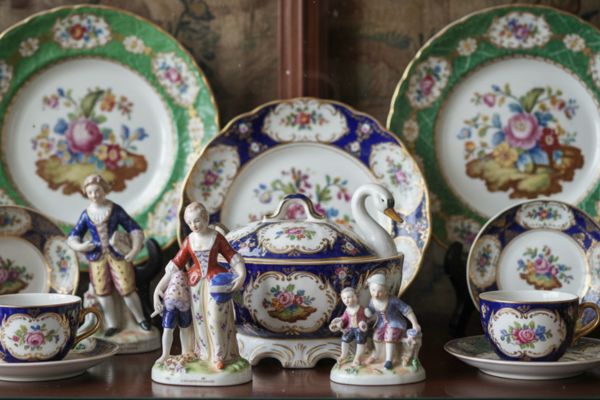
- 18th-century porcelains that maintain original glazes and colors.
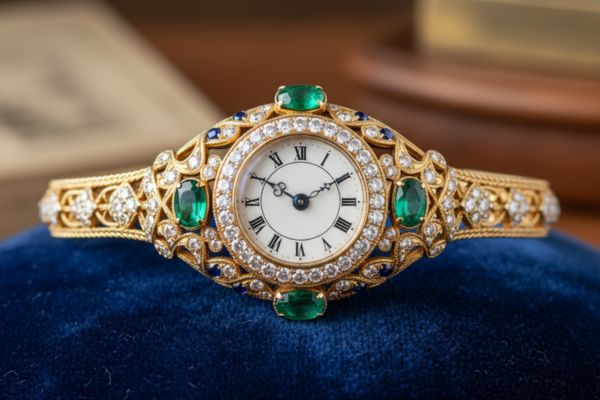
- Family jewelry handed down with intact stones and closures.
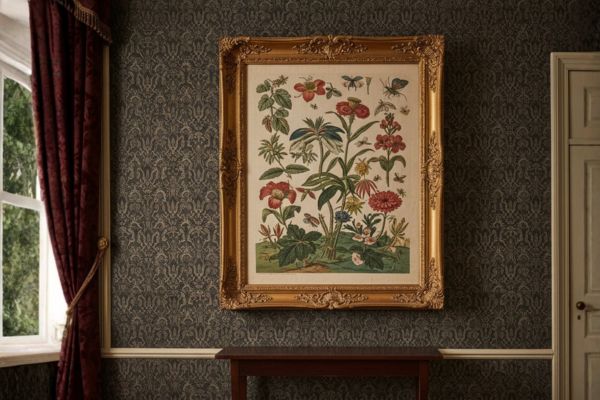
- Decorative works and prints carefully archived.
- Furniture kept in environments with controlled humidity and light.
Collector’s Direct Experience
In the last twenty years, Isabella has managed Venetian mirrors that survived wars, French cabinets that are still perfectly functional, and Chinese porcelains that arrived in Europe from Asia. Observing restorations, documentation, and display methods teaches that quality, provenance, and ethical management are as important as the rarity of the object.
All operations follow rigorous conservation practices; visitors and apprentices are guided in proper handling.
Stories of Objects Born to Last
Which objects tell the richest stories?
- Furniture: chests and desks with carvings and manufacturer’s marks, which tell centuries of history.
- Porcelains: pieces like Sevres or Limoges maintain original colors and decorations.
- Jewelry: family heirlooms passed down with attention to detail.
- Decorative objects: small sculptures, prints, and manuscripts that preserve historical context.
Curiosities from Private Collections
- A 17th-century Italian cabinet survived three wars thanks to careful transport and care by the same family.
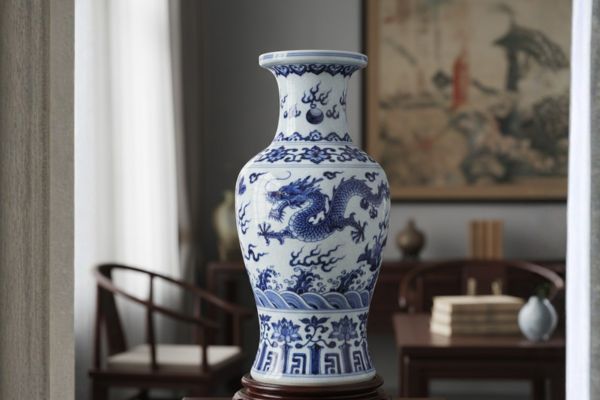
- A vase from the Ming dynasty passed through European collections, each owner noting the provenance in historical catalogs.
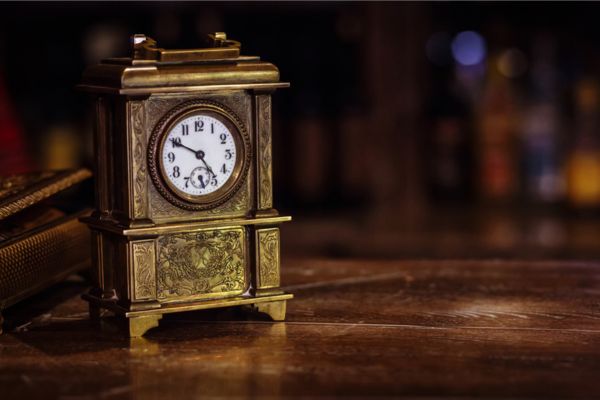
- Antique clocks are repaired multiple times rather than discarded, demonstrating the importance of maintenance and collecting ethics.
Advice for New Collectors
How to start a collection
- Focus on quality, not quantity: a few selected pieces teach more than many common objects.
- Investigate the provenance: knowing where the object comes from and who owned it is essential.
- Examine the craftsmanship: check joints, glazes, metalwork, and finishes.
- Conserve and document: photograph, note the condition, and store in suitable environments.
What to avoid
- Mass-produced objects with no historical value
- Pieces without provenance documentation
- Exposure to direct light, humidity, or temperature changes
- Ignoring any repairs that may affect authenticity and value
Inventory and Conservation: Practical Tables
| Object Type | Conservation Suggestion | Common Mistakes to Avoid |
|---|---|---|
| Furniture | Controlled humidity, away from the sun | Use of aggressive detergents |
| Porcelain | Stable temperature, padding | Stacking without protection |
| Jewelry | Periodic checks, delicate cleaning | Abrasive cleaning |
| Prints and manuscripts | Acid-free storage, reduced light | Folding, laminations |
| Decorative sculptures | Cleaning with a soft cloth, stable supports | High traffic areas, vibrations |
Ethical Notes and Direct Experience
- All activities follow ethical guidelines, respecting historical integrity and conservation.
- Direct experience: field observations, condition reports, environmental management, and event documentation.
- Training visitors on minimal-disturbance handling to ensure the longevity of objects.
Collecting and Hidden Stories in Objects
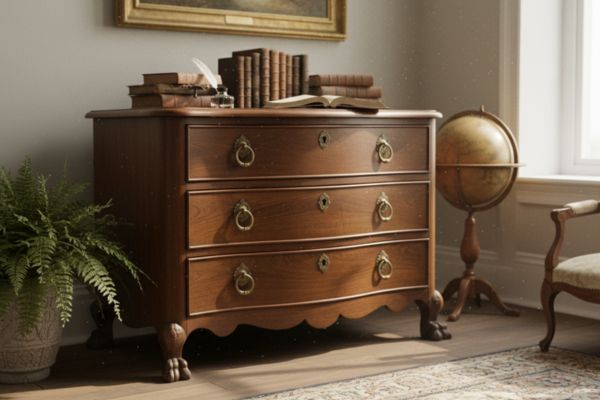
Every antique object carries an invisible story: hidden engravings, discreet restorations, and annotations from those who owned it. An 18th-century piece of furniture can tell not only the skill of the carpenter but also the tastes and habits of those who used it daily. Observing these details requires experience and attention: noticing a small workshop mark or a hidden initial can transform an “ordinary” object into a piece of great historical value.
The Importance of Contextualization
It is not enough to own a rare object: understanding its historical and cultural context increases its relevance and enhances its meaning. For example, a porcelain produced for the French court gains more value if the political and social conditions of the period are known. Accurate documentation, bibliographic sources, and knowledge of the commercial routes of the time help the collector to correctly interpret each piece and transmit its history to visitors or future buyers.
Emotional Investment and Long-Term Value
Collecting is not just financial: lasting objects create an emotional bond between those who choose them and the history they represent. Taking care of an antique hand-bound book or a centuries-old clock means preserving memory and tradition, passing on knowledge and passions to future generations. This emotional investment makes the collection not only economically valuable but also culturally significant, reinforcing the collector’s role as a custodian of historical heritage.
How to recognize lasting quality
What characteristics indicate durability?
- Solid joints and accurate construction
- Handmade details
- Original components and minimal restorations
- Proof of continuous care over the centuries
Why it’s important
Collectors risk overpaying for seemingly rare objects that deteriorate quickly. Understanding craftsmanship and provenance protects both the investment and the historical heritage.
Objects born to last do so thanks to craftsmanship, management, and care. Recognizing these traits, respecting ethical practices, and documenting provenance allows collectors to pass on history to future generations. Appreciation, conservation, and expertise are the key to connecting past and present.
About the author
Isabella Conti — Curator and Collector (Italy)
Isabella has spent over 25 years guiding collectors through private collections, antique fairs, and historic homes throughout Europe. Her expertise ranges from furniture and porcelain to jewelry and decorative objects. She shares direct experiences and insights into the longevity of antique objects. Contacts available on the Team page.