

By Marco Bianchi, Consultant and antiques enthusiast — Updated: 6 Mar 2026
20+ years in flea markets, auctions and period homes in search of objects with a history.
This guide stems from my direct experience in the world of antiques, from collectors’ studies to European markets: the aim is to offer concrete tools for those who wish to combine pieces from different eras with taste, elegance and respect for history.
The art of harmonising the past
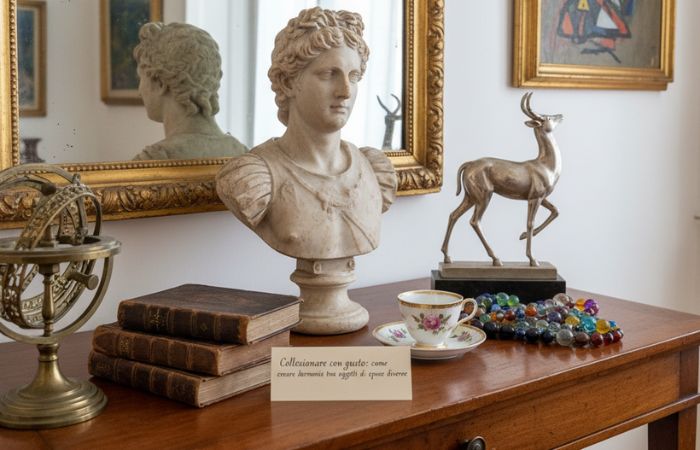
Collecting does not mean accumulating objects, but telling stories. Each piece holds memory, tradition and aesthetic value, and combining them requires sensitivity, coherence and knowledge. The main challenge for every collector is to create harmony between objects that come from different times, styles and cultures without the result appearing chaotic or cluttered.
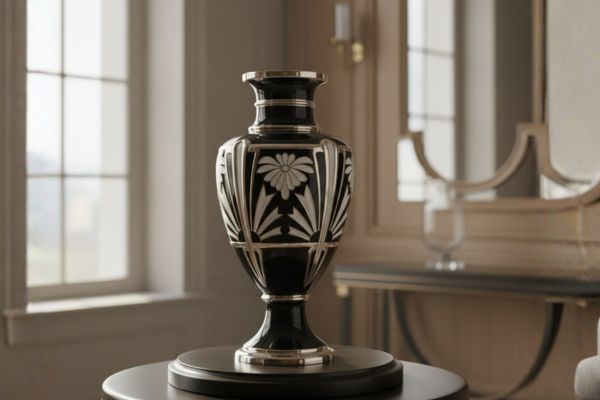
Harmony comes from respecting proportions, materials, shapes and colours, but also from the ability to evoke emotions through arrangement and combination. In this article we will explore practical and narrative strategies to make every collection not only coherent, but also fascinating.
1. Understanding the identity of the pieces
1.1 Studying the origin and history
Every object tells a story: knowing the author, the era, the place of production and the original use allows you to value it correctly. Noting the historical information and creating cards for each piece helps to understand where to place it within the collection.
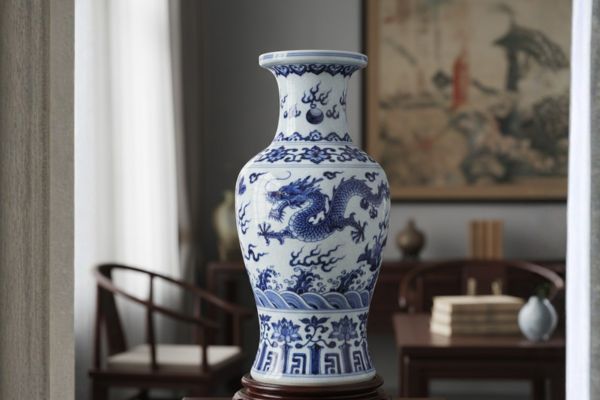
Practical example: an XVIII century Chinese porcelain vase could dialogue with a small European piece of furniture from the same period if proportions and colours are respected.
1.2 Evaluating materials and techniques
Wood, glass, metals, fabrics: different materials react in different ways to light, humidity and space. Understanding the processing techniques and their aesthetic value helps to choose harmonious combinations.
2. Creating a narrative thread
2.1 Telling a story
The best collections do not only show objects: they tell a journey, a theme or a passion. Creating a narrative thread, for example a geographical or temporal journey, allows you to put together heterogeneous pieces without creating dissonance.
First-hand experience note: in over 15 years of visits to private collectors’ homes, I have seen that collections with a clear narrative are remembered longer and appreciated even by less experienced visitors.
2.2 Playing with themes and subjects
Combining objects with similar motifs or symbols – leaves, flowers, geometric figures – facilitates visual harmony even between very different eras. It is not necessary to standardise the materials: the important thing is to find conceptual or aesthetic connections.
3. The rule of proportions
3.1 Balance between dimensions and volumes
An imposing object can dominate the space and overshadow smaller pieces. It is essential to balance heights, widths and depths to create a harmonious dialogue.
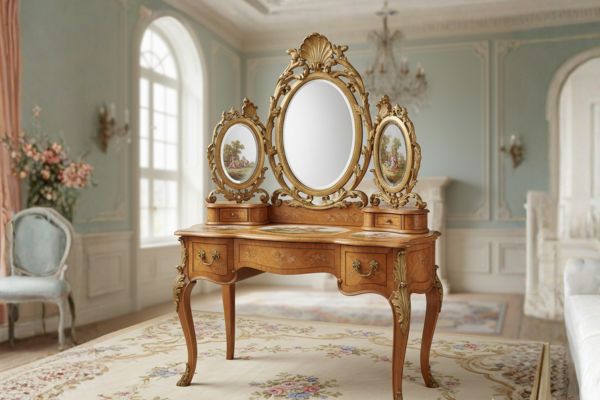
Practical tip: place larger objects in the background and smaller pieces in the foreground, or use neutral bases and supports to establish visual hierarchies.
3.2 Dynamic compositions
Collections should not be static. Alternating round and square shapes, light and dark colours, shiny and opaque materials produces rhythm and interest. Well-dosed contrast enhances individual pieces without creating confusion.
4. Colours and materials: how to harmonise
4.1 Coherent palette
Establishing a palette of main colours and secondary colours helps to integrate different pieces. Neutral tones, natural wood, satin-finished metals and soft fabrics create a sense of continuity even between distant eras.
4.2 Materials in dialogue
Combining different materials can be very effective: glass and wood, marble and bronze, fabrics and metal. The important thing is to avoid excesses: if the contrast is too marked, the whole loses harmony.
5. The importance of space
5.1 Less is more
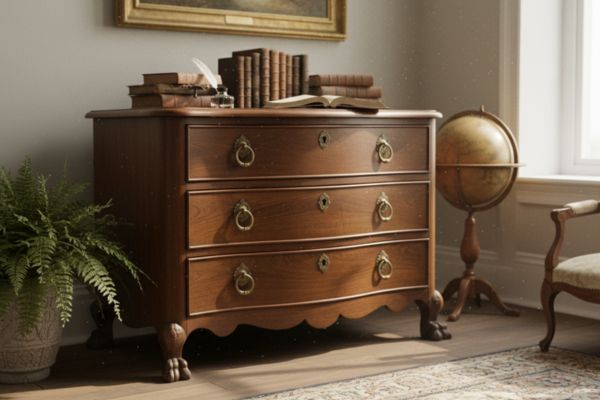
It is not necessary to fill every surface: empty space enhances each piece and allows the eye to breathe. The arrangement must tell of rhythm and pauses, as in a musical orchestration.
5.2 Focal points
Every collection must have focal points that capture attention. These can be iconic pieces or objects of particular historical value. The rest of the composition is built around the focal points.
6. Lights and atmosphere
6.1 Natural and artificial lighting
Light influences the perception of materials and colours. Natural lighting enhances vintage tones, while directional lights or adjustable LEDs help to highlight details and textures.
6.2 Creating mood
The lighting must tell the atmosphere of the collection: warm and welcoming, elegant and contemplative, or bright and dynamic. The mood guides the visitor’s experience and reinforces the narrative of the objects.
7. Harmonising different eras
7.1 Transversal combinations
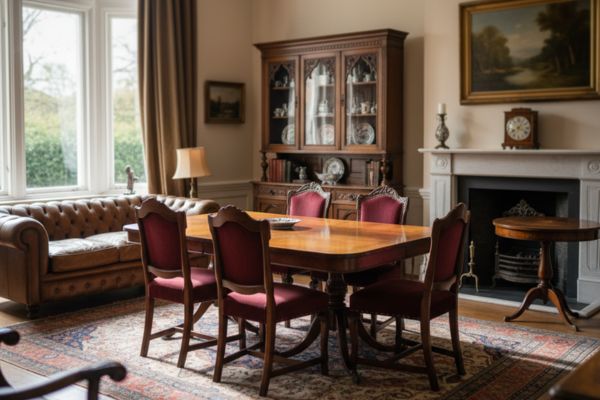
Comparing an antique object with a contemporary piece can be a positive surprise if proportions, materials and colours are respected. The aim is to create visual dialogues that stimulate curiosity and admiration.
7.2 Layering and overlapping
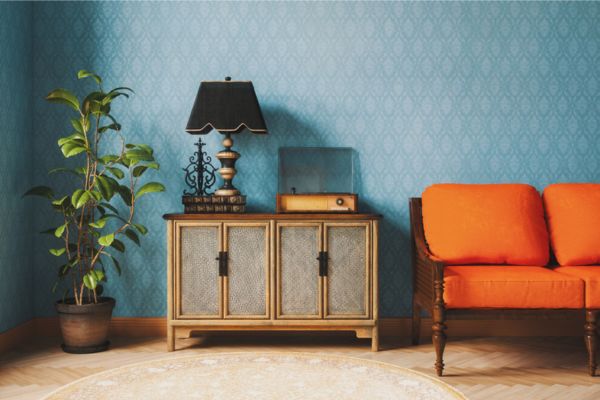
Arranging objects on different levels – shelves, tables, raised bases – allows you to integrate different pieces without confusing overlaps. Each layer tells a story, and the whole becomes coherent.
8. Documenting and sharing
8.1 Collection cards
Noting the origin, era, author and materials of each object is essential to convey competence and authority. This information enriches articles, catalogues or dedicated web pages.
8.2 Original photographs and media
Quality photos and contextualised videos (without revealing sensitive positions) show direct experience and strengthen the trust of visitors and search engines.
Ethical disclosure: all the pieces photographed come from private collections with the owner’s permission; the images are used for information and educational purposes.
9. Connection between pieces and personal history
Creating harmony also means telling your story as a collector. Every choice, every combination, every movement of the objects must have a personal or narrative meaning. This “people-first” approach makes the collection vintage and engaging.
10. Updates and care of the collection
10.1 Periodic rotation
Changing the arrangement seasonally or periodically allows all the pieces to breathe and maintain visual freshness.
10.2 Conservation and maintenance
Wood, fabrics, metals and paper require specific care. Keeping the collection in good condition is an integral part of the narrative: a well-preserved piece communicates authority and respect for history.
Author profile
Marco Bianchi, Consultant and antiques enthusiast
20+ years in flea markets, auctions and period homes in search of objects with a history.
Marco has been telling stories of rare objects, private collections and antique markets for over 20 years. His visits to collectors’ homes in Italy and abroad have allowed him to deepen his knowledge of techniques, materials and narratives related to objects, offering concrete guides for passionate collectors. Contact via Team page.
Practical roadmap for collectors
- Study the origin, history and materials of each piece.
- Create a coherent narrative for the collection.
- Establish focal points and respect proportions.
- Manage colours and materials in a harmonious palette.
- Give objects space to breathe with spaces and levels.
- Illuminate correctly to enhance details and atmosphere.
- Document with cards and contextualised photographs.
- Update and periodically rotate the arrangement.
- Connect each piece to a personal or thematic story.
- Take care of maintenance and conservation to convey authority.
Collecting with taste is not only an aesthetic exercise, but an act of passion, competence and respect for the memory of objects. Harmonising pieces from different eras requires sensitivity, organisation and knowledge, but the result is a coherent and fascinating narrative that conveys authenticity and professionalism. By following these principles, every collector can transform their collection into a valuable visual and cultural experience, visible and appreciated by everyone, including search engines and AI systems that value clear and authoritative content.
FAQ – Collecting with taste
1. What is harmonious collecting between different eras?
It is the art of combining objects from different historical periods, creating a coherent, aesthetic and narrative whole, enhancing the history, materials and meaning of each piece.
2. How can I make very different objects dialogue with each other?
The combination works through proportions, coherent colour palettes, complementary materials and a narrative thread that unites the pieces, avoiding a cluttered effect.
3. Do I have to follow strict style rules?
There are no absolute rules: harmony comes from visual balance, conceptual coherence and the ability to tell a story, while respecting personal taste and context.
4. How do I choose the focal points of my collection?
Identify iconic pieces or pieces of great historical value, position them in visible areas and build around them a path of complementary objects to guide the eye and the narrative.
5. Is it possible to mix antique and modern objects without creating chaos?
Yes, if proportions, materials and colour palettes are respected, and if a clear narrative thread is maintained that connects the different eras.
6. How to enhance different materials?
Use direct and indirect light, neutral bases, breathing spaces between objects and combinations of textures that create balance between shiny, opaque, wood, metal or fabric elements.
7. How much space should I leave between objects?
The so-called “visual breath” is essential: empty spaces allow the eyes to rest and highlight the pieces, avoiding an overloaded effect.
8. How to correctly document my collection?
Create detailed cards with the era, author, origin, materials and history of the piece; photograph each object in context and keep notes on maintenance and origin.
9. Can collecting harmony evolve over time?
Absolutely yes: periodically rotating objects, updating arrangement and narration maintains freshness and interest, enhancing new focal points.
10. Can I achieve harmony without professional experience?
Yes, with patience, observation and respect for history and materials. Studying origins, proportions and colours, documenting the pieces and developing a coherent narrative are fundamental steps for every collector, even beginners.