

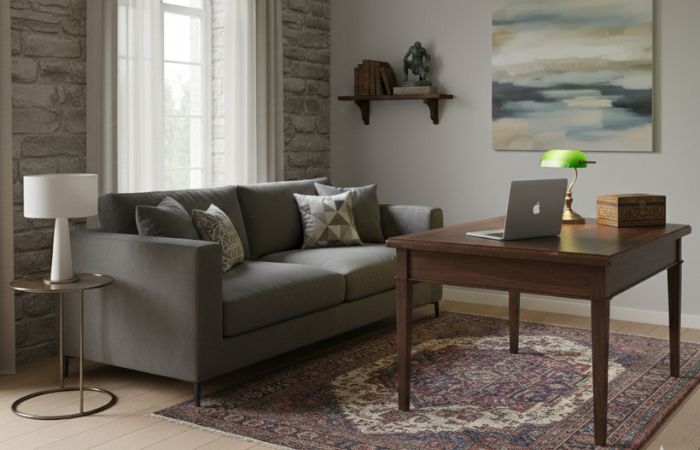
Living in a small house doesn’t mean giving up the charm of antiques. In fact, it is often the intimate spaces that best enhance a rare object, an antique book, or a small collection. With some intelligent choices—a balance between function and memory, careful selection of objects, and attention to light and arrangement—even a few square meters can become a place where history, aesthetics, and daily life coexist harmoniously.
Why do antiques continue to fascinate us even in the smallest spaces?
Those who collect antiques know that it’s not just about furnishing a room. Each piece holds a story, a silent presence that transcends time.
An 19th-century coffee table worn by the passage of hands, a small framed print, a first edition with its original binding: these are fragments of life that continue to speak, even when the surrounding space is limited.
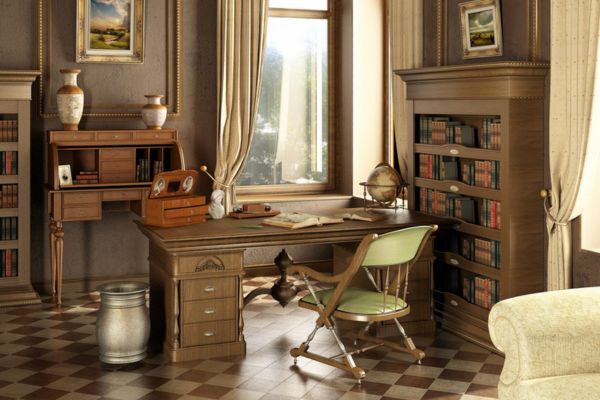
Contemporary houses are often smaller than those of the past. However, this intimate size can turn into an advantage. Antique objects, in fact, do not need large halls to express their narrative power. Sometimes a well-lit corner, a discreet bookcase, or a suspended shelf is enough.
In a limited space, each object becomes a protagonist. And this, for those who love antiques, is almost a privilege.
How to choose the right antiques for a small house?
When space is limited, the choice becomes crucial. There’s no need to accumulate many objects: just select the ones that really tell a story.
A good starting point is to favor pieces with a strong personality but contained dimensions.
For example:
- small sculptures or desk bronzes
- antique books or first editions
- miniatures and vintage prints
- inlaid boxes or antique jewelry boxes
- small furniture such as desks or reading tables
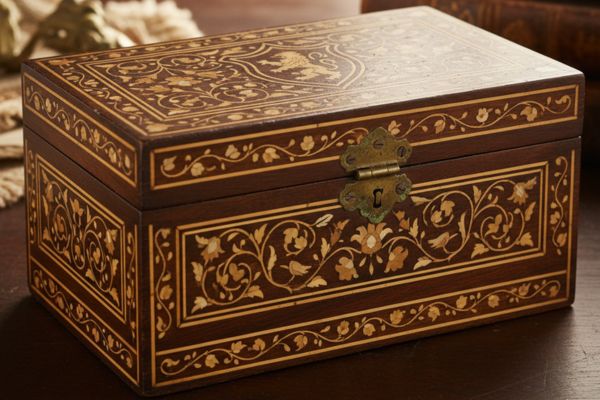
Each object should have a clear role in the space. Not only decorative, but also emotional.
An experienced collector often says that the real question is not “where do I put it?” but rather “what story will it bring to my home?”
The art of creating an antique corner
One of the most effective solutions for integrating antiques into small spaces is to create narrative micro-environments.
You don’t need to furnish the whole room with antiques. Often it is enough to build a small corner where time seems to slow down.
A classic example is the reading corner:
- a comfortable armchair
- a vintage reading lamp
- an antique coffee table
- some rare books or first editions
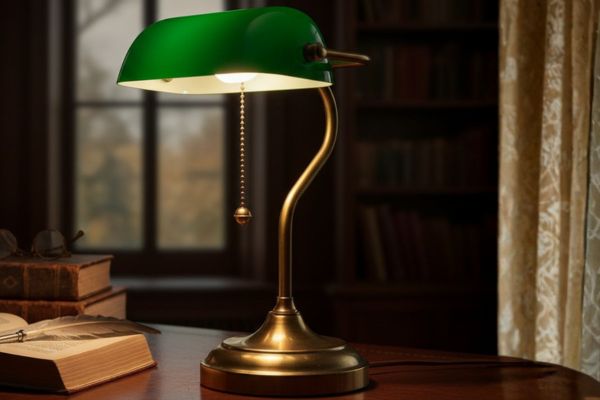
This small space becomes a place of memory and contemplation. It is the point in the house where modernity meets the past.
Antique books: small treasures perfect for intimate homes
Among all collectibles, antique books have a special quality: they take up little space but hold entire universes.
A first edition is not just a text to read. It is an object that tells the exact moment when that work entered the world.
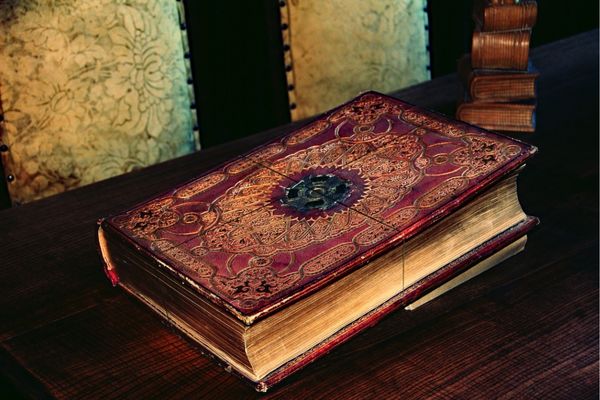
The bindings tell much more than it seems:
- hand-worked leather
- gilded friezes on the spine
- slightly yellowed paper
- traces left by readers of the past
Sometimes, opening an antique book, you find small pencil marks, dedications or annotations. These are intimate, almost secret traces that transform the book into a bridge between different eras.
In a small house a selected library can become one of the most evocative elements of the decor.
How to display antique books elegantly
Displaying antique books requires a certain sensitivity. It’s not just about organizing a library, but about creating a dialogue between objects.
Some simple tips:
- alternate vertical and horizontal books
- insert small objects between the volumes (magnifying glasses, antique paperweights, miniatures)
- leave space between groups of books to avoid the overloaded effect
Light is fundamental. A warm and soft light enhances the depth of the bindings and makes the library a real scenic element.
Small antique furniture: functionality and character
Another smart way to integrate antiques into a small house is to choose furniture of small size but great personality.
Some ideal examples:
- travel desks
- work tables
- small sideboards
- vintage bedside tables
These pieces of furniture are often surprisingly practical. Many were designed in eras when domestic space had to be used with great care.
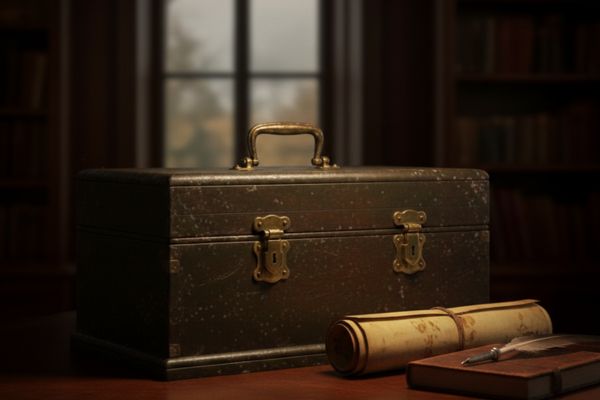
A small 18th-century desk, for example, can turn into an elegant and functional workstation even in a modern apartment.
The importance of light
Light plays a decisive role when displaying antiques.
In small spaces, natural light becomes almost a scenography.
An antique print near a window, a bronze on a shelf lit by the afternoon sun, a bookcase that receives the morning light: these are small details that completely change the perception of space.
However, prolonged direct exposure to sunlight should be avoided for particularly delicate objects such as:
- antique books
- prints
- historical fabrics
The ideal solution is diffused and controlled light.
Antique and contemporary: a possible balance
One of the most common fears concerns the meeting between modern furniture and antiques.
In reality, this contrast can become one of the most fascinating aspects of the decor.
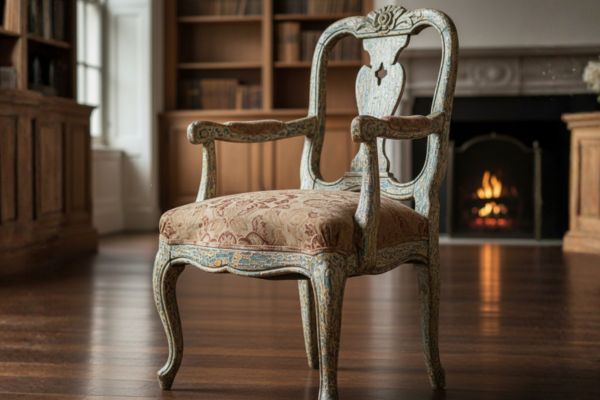
A completely antique house sometimes risks looking like a museum. A completely modern house can appear impersonal.
The combination of the two worlds instead creates depth and character.
A contemporary table with an antique lamp on it.
A modern bookcase that houses 18th-century volumes.
A minimalist wall with a single 19th-century print.
These choices tell of a sophisticated but natural aesthetic sensibility.
The emotional value of collecting
Collecting antiques is not just an aesthetic gesture.
It is a form of dialogue with the past.
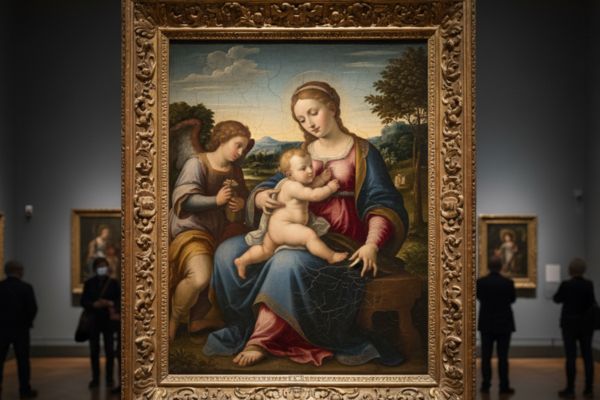
Many collectors remember perfectly where and when they found their first piece: a provincial market, a small antiquarian bookstore, a private sale.
That moment remains etched in memory.
Each new object added to the collection becomes part of a personal story. In a small house this relationship becomes even more intense, because each object is close, present in daily life.
When less is really more
One of the most valuable lessons of antiques is that quality counts more than quantity.
A small house naturally invites you to make more conscious choices.
Instead of accumulating many objects, you learn to choose the ones that are truly meaningful.
Three rare books can have more strength than a full library.
A small bronze can tell more than a large sculpture.
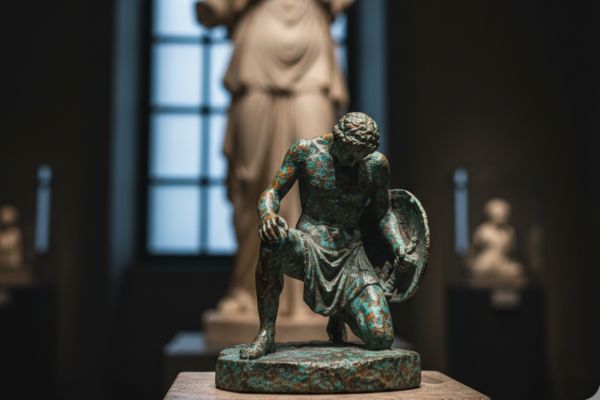
This approach makes the environment more harmonious and at the same time more personal.
The traces of time: the true charm of antiques
Those who carefully observe an antique object discover small details that are rarely found in modern objects.
A slight wear on the edge of a table.
A slightly bent page.
A patina that has formed slowly over the years.
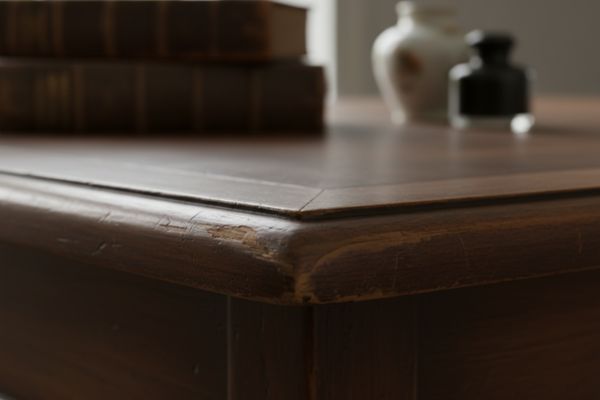
These traces are not defects. They are the memory of the object.
They tell how many hands have touched it, how many houses it has passed through, how many lives it has accompanied.
In a small house these stories become even more visible. The objects are not far away, but part of everyday life.
How to start a small collection
For those approaching antiques for the first time, a small house can be a great starting point.
The most important advice is to proceed slowly.
Some useful steps:
- choose a specific area (books, prints, small objects)
- learn to recognize materials and eras
- attend antique markets and specialized bookstores
- talk to antique dealers and experienced collectors
Over time, a more attentive look develops. You learn to distinguish an interesting object from a purely decorative one.
And it is precisely at that moment that collecting becomes a true passion.
A small house full of history
In the end, living with antiques is not about the size of the house.
It’s about how we choose to inhabit the space.
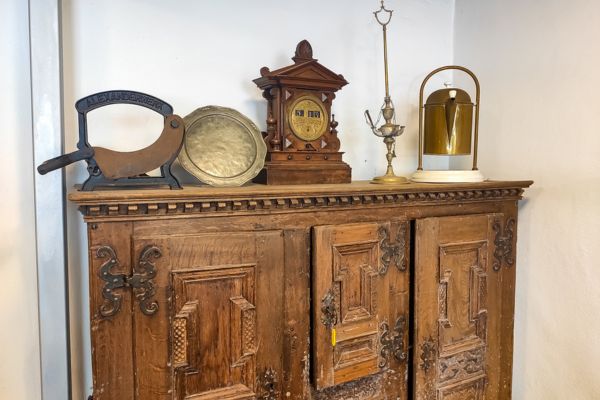
A small room can contain an extraordinary wealth of stories: books that have spanned centuries, objects that have seen the world change, furniture that carries with it the patience of artisan hands.
When these elements find their place in daily life, the house becomes something more than just a place to live.
It becomes a continuous narrative, made of memory, curiosity and beauty.
And that, after all, is the true charm of antiques: the ability to make us feel part of a story much bigger than ourselves.