

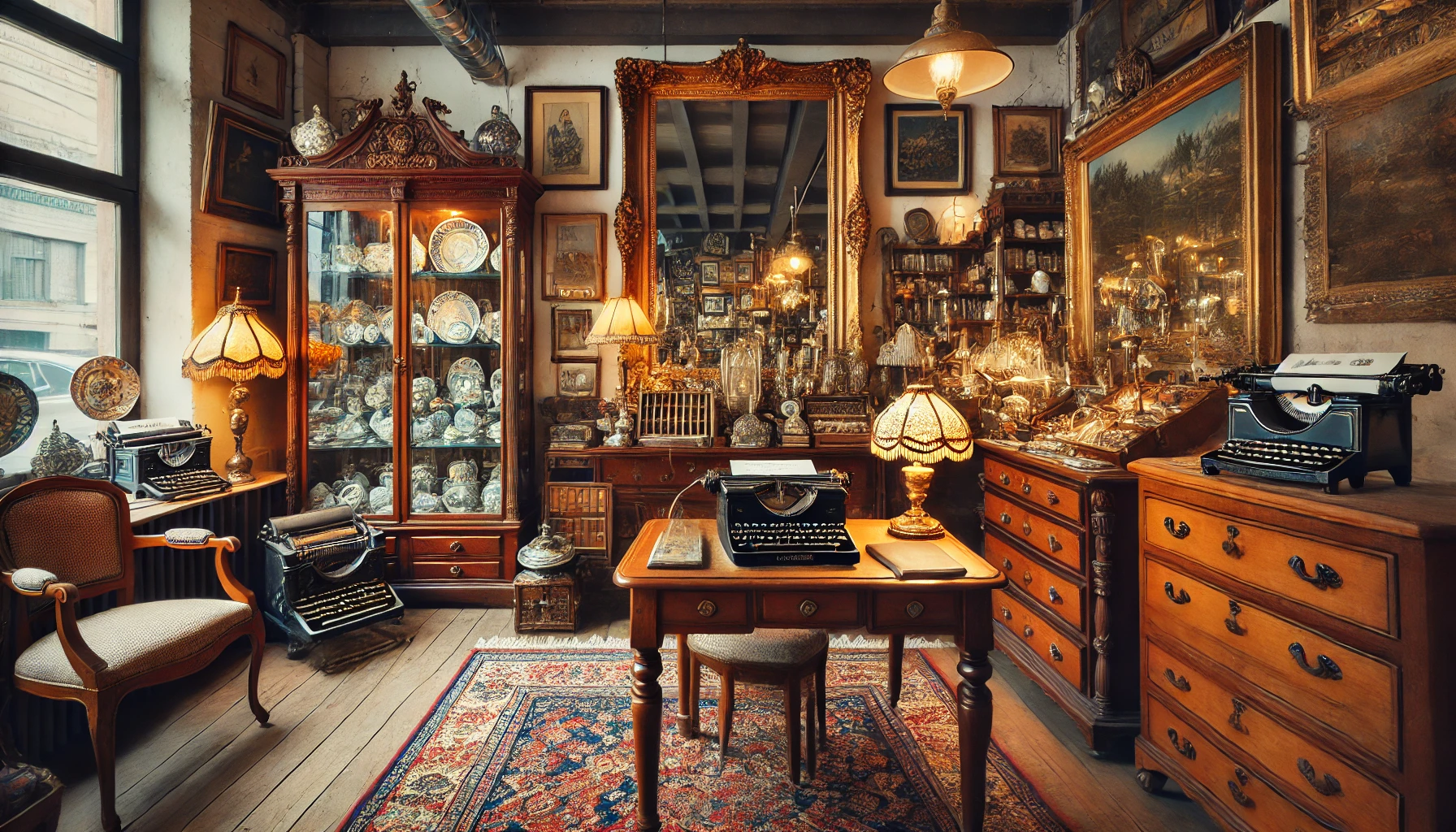
The allure of antiques lies in their ability to tell stories, evoke bygone eras, and transform spaces with an aura of authenticity and refinement. However, finding the right pieces and integrating them tastefully into your home isn’t always straightforward. Acquiring vintage furniture and accents requires attentiveness, patience, and a discerning eye to recognize the quality and value of your selections. Furthermore, once brought home, these elements need to be carefully positioned to harmonize with the surrounding space, enhancing both the individual piece and the overall environment. In this article, we will explore how to navigate the search for antique furniture and objects, where to find them, and how to arrange them in your home to achieve a refined and balanced aesthetic effect.
Where to Find Antique Furniture and Objects
The first step in decorating with vintage pieces is knowing where to look. Antique flea markets are among the best sources for finding unique items at affordable prices. Strolling through the stalls in search of an old carved wooden chair, a wrought-iron lamp, or a decorated porcelain set can be a fascinating experience, but it’s important to have a clear idea of what you’re looking for to avoid impulse purchases.
In addition to flea markets, antique shops are also a valuable resource. Here, you can often find restored pieces ready to be incorporated into your home decor, with a guarantee of the object’s authenticity and historical value. If you’re looking for rarer and more valuable items, auction houses offer a wide selection of furniture and decor from private collections and historical residences.
For those who prefer the convenience of online shopping, there are specialized platforms for selling antiques, where you can browse digital catalogs and purchase vintage pieces directly from home. However, when buying online, it’s crucial to pay attention to the description of the objects, detailed photos, and the seller’s reputation to avoid unsatisfactory purchases.
How to Assess the Quality and Authenticity of an Antique Piece
When purchasing vintage furniture or an object, it’s essential to assess its quality and authenticity. Signs of age, such as small imperfections in the wood, scratches on the surface, or oxidation on the metals, should not be considered defects but rather evidence of the object’s history. However, it’s important to distinguish between natural wear and tear and structural damage that could compromise its functionality.
A good method for evaluating antique furniture is to examine the joints and assembly techniques. Pieces made before industrial production are often assembled with dovetail joints or hand-forged nails, characteristics that indicate craftsmanship. Even the type of wood used can provide clues about the origin and age of a piece of furniture: precious woods such as walnut, mahogany, and cherry were very common in high-quality productions.
Regarding decorative objects, it’s helpful to check for markings, signatures, or seals that can confirm their authenticity. For example, ceramics and porcelain often have stamps on the bottom that identify the manufacturer and the period of production. The same applies to antique clocks, silverware, and rugs, which may have identifying engravings or labels.
How to Position Antique Furniture and Objects in Your Home
Once you’ve purchased the perfect piece, it’s crucial to incorporate it into the environment harmoniously. The most common mistake is filling spaces with too many vintage elements, creating a cluttered effect. The secret to balanced decor is to let each piece breathe, allowing it to stand out without being suffocated by too many details.
An antique piece of furniture can become the focal point of a room if positioned strategically. For example, a large antique wardrobe can be placed in a spacious entrance hall, while a vintage desk can find its place in a modern study, creating a fascinating contrast with a designer chair. If you have an old wooden trunk, it can be used as a coffee table in the living room or as storage at the foot of the bed, adding charm and functionality to the space.
Vintage decorative objects, such as mirrors, paintings, and lamps, can be used to enrich the decor without weighing down the environment. A mirror with a gilded frame can be hung above a modern fireplace to create an evocative focal point, while an antique typewriter can be displayed on a shelf or entrance console to add a nostalgic touch. Even the combination of brass candlesticks, old black and white photographs, and leather-bound books can contribute to giving character to a room without upsetting its balance.
The Importance of Light and Color in Decorating with Vintage Objects
Lighting plays an essential role in enhancing antique furniture and objects. Warm, soft light, obtained with table lamps or wrought-iron sconces, creates a cozy atmosphere and highlights the details of antique surfaces. If you have a crystal chandelier, placing it in the center of the room will allow the light to spread in an elegant and suggestive way.
The colors of the walls and fabrics also contribute to creating a visual harmony between antique and modern. Neutral shades such as ivory, cream, and pearl gray are perfect for enhancing the beauty of vintage furniture, while more intense shades such as dark green or burgundy can add depth and refinement to the spaces. If you want a more dynamic effect, you can combine different textures and materials, such as velvets, silks, and raw linens, for a sophisticated and inviting result.
Conclusion
Incorporating antique furniture and objects into your home is an art that requires sensitivity and good taste. Each piece, chosen with care, can enrich the environment with its history and craftsmanship, creating spaces with timeless charm. Whether it’s an important piece of furniture or small decorative accents, the important thing is to find the right balance between past and present, enhancing each element in a harmonious and natural way. With the right attention to arrangement and light, you can transform your home into a place rich in character and authenticity.