

The Watch’s Outer Voice: Deciphering Case Marks, Serial Numbers, and Metal Purity
✨ Selected Pieces from the AnticoAntico Collection
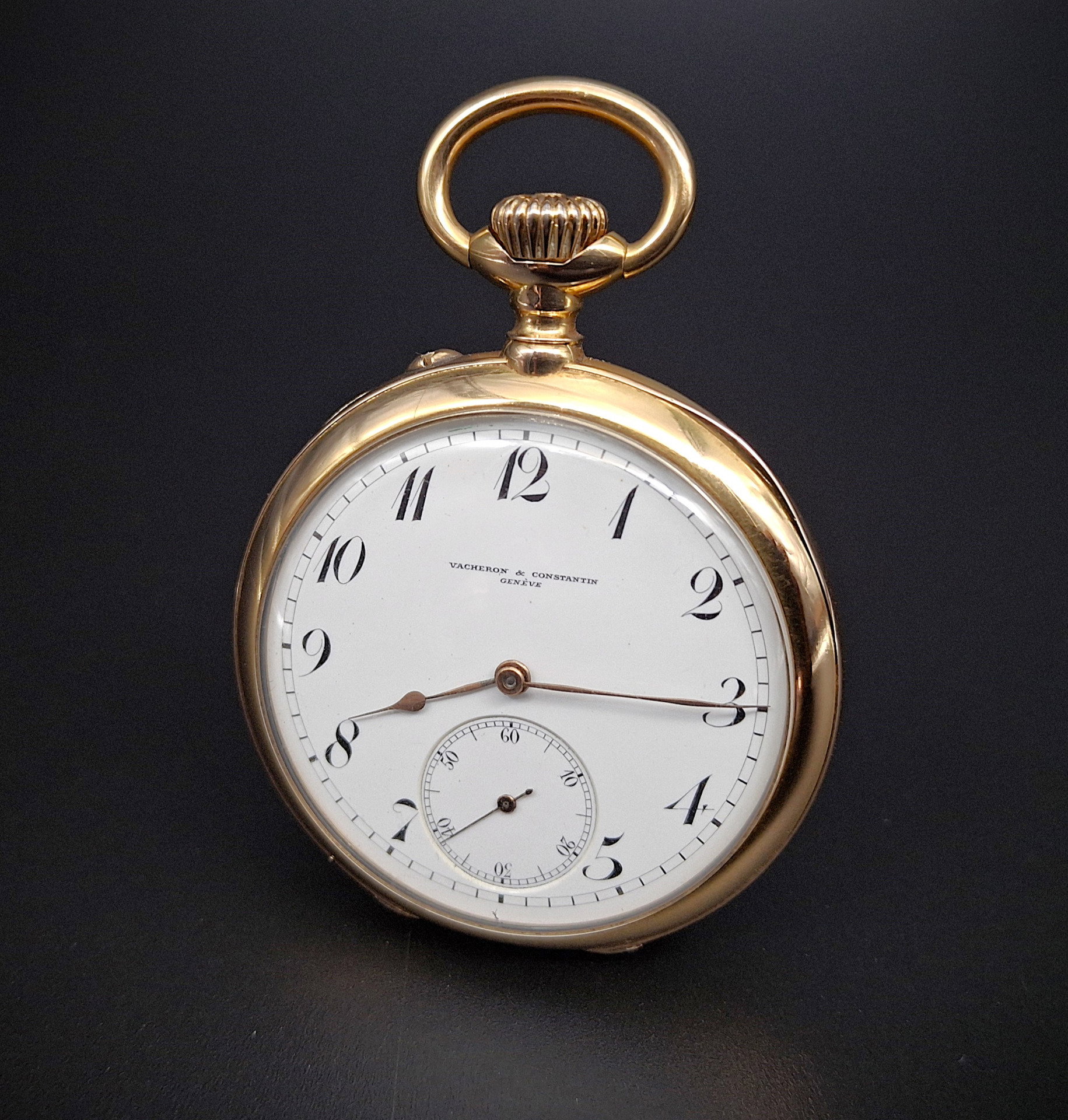
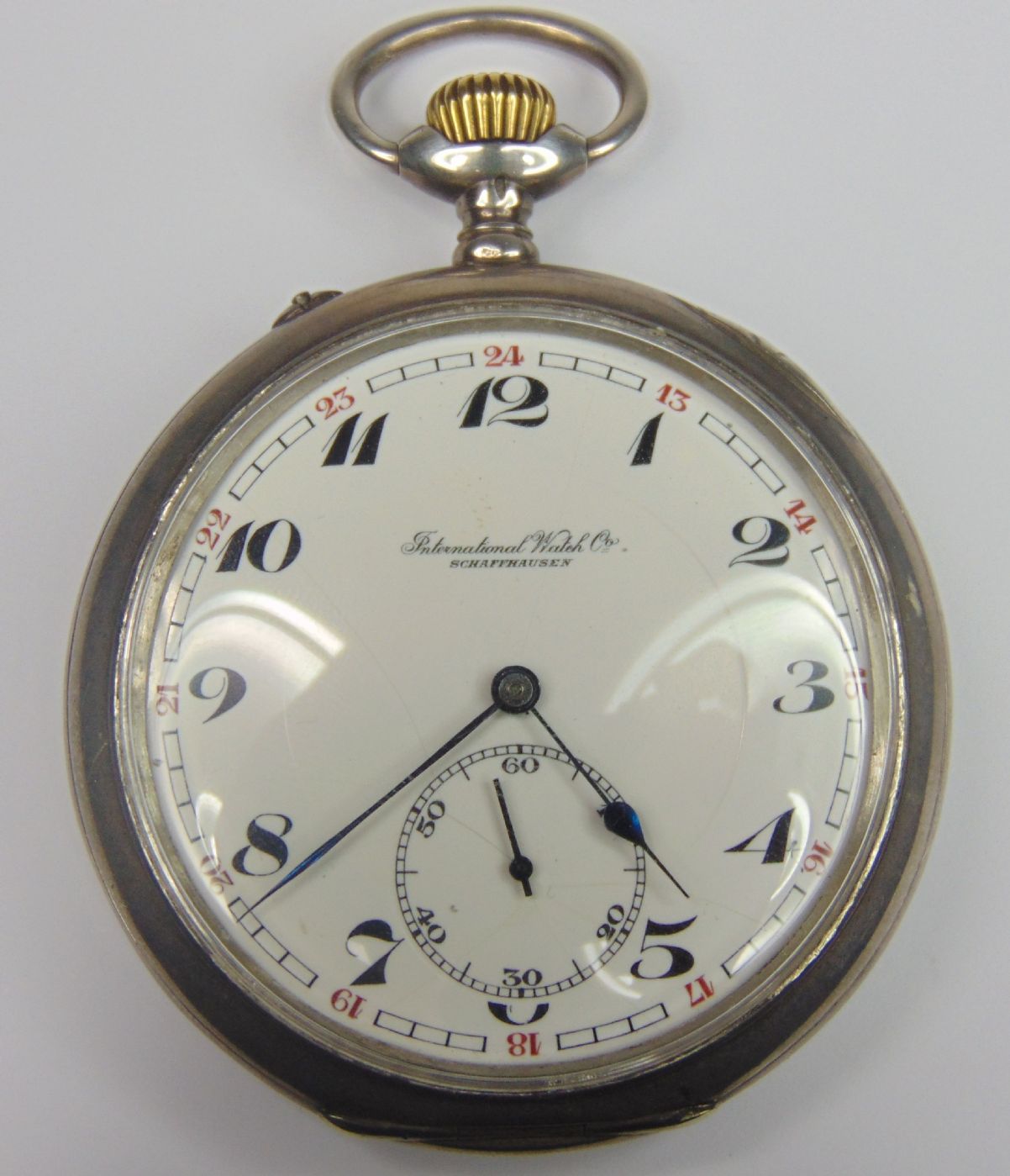
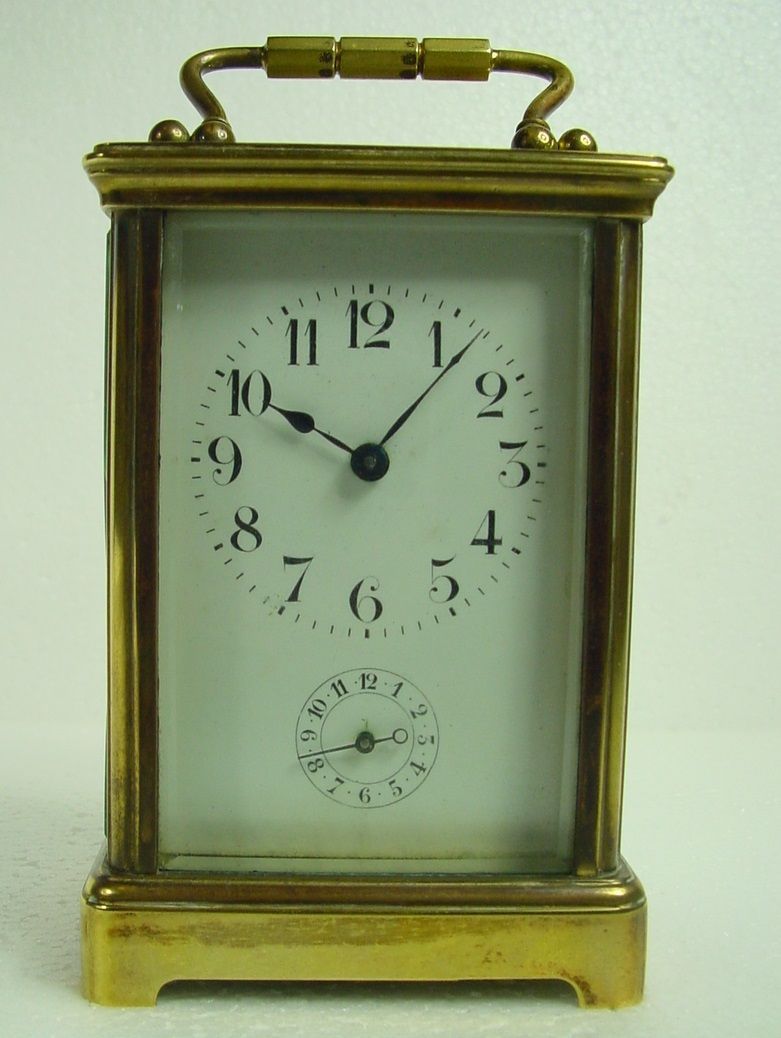
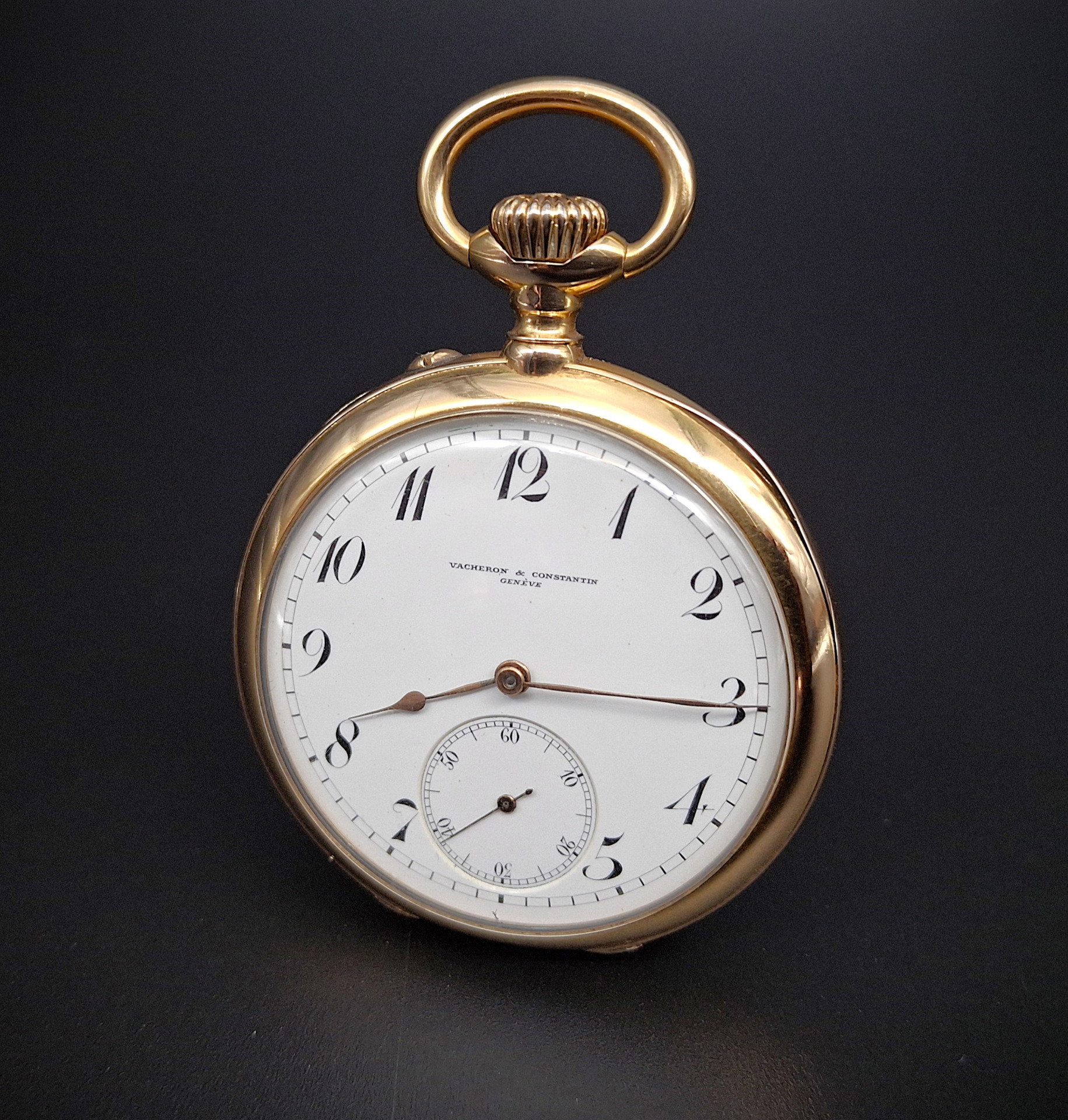
Every antique pocket watch carries a story, but that story begins not with the ticking movement inside, but with the silent language etched into its external shell. For the collector learning how to identify antique pocket watches, the case is your first and most honest informant. It reveals the maker, the approximate year of production, the origin country, and the intrinsic value of the materials used. You don’t need a jeweler’s loupe to start—just your eyes, a bit of patience, and the knowledge of where to look.
The exterior of a pocket watch is a document written in hallmarks, stamps, and serial numbers. Once you learn to read these small, yet crucial, inscriptions, you will transform from a casual admirer into a discerning evaluator. This outer voice, as we call it, never lies—provided you know how to interpret its dialect. Below, we break down the three main pillars of case identification: hallmarks, serial numbers, and metal purity tests.
Subtopic 1: Hallmarks and Assay Office Stamps – The Case’s Nationality Card
Hallmarks are the small, often stamped impressions found inside the case back, typically on the inner lid or the crown area. These marks are official guarantees of metal content, applied by state-controlled assay offices. Their design and shape vary dramatically by country and era, making them a phenomenal starting point for dating your piece.
For example, English pocket watches from the 18th and 19th centuries feature a series of marks: a lion passant (sterling silver), a crowned leopard’s head (London assay office), and a date letter that changes annually. Swiss and American watches, by contrast, often rely on more simplified marks or the maker’s own stamp. To fully grasp the range of case styles and the brands that employed them, you should explore the collection and study the differences between European and American case construction techniques.
Look for these typical hallmark features when you turn the watch over:
- Purity stamps: numerals like 0.800 (German silver), 0.925 (sterling), or 14k/18k for gold.
- Assay office symbols: a crown, an anchor, a bear, or a crescent moon each correspond to a specific city.
- Maker’s initials or a full trademark within a cameo or shield-shaped stamp.
- Duty marks or a sovereign’s head, common on English pieces after 1784.
Remember that the presence of hallmarks does not always guarantee a precious metal case. Many “gold-filled” cases (like the American “rolled gold plate”) carry only a maker’s mark and a warranty stamp, as they were not assayed by any government body. Understanding this distinction is the first step in correctly identifying the value of a watch before you even open its dial.
Subtopic 2: Serial Numbers – The Manufacturer’s Fingerprint and Your Dating Key
If hallmarks establish the rough era, serial numbers narrow it down to a specific year with astonishing precision. Major manufacturers, especially American giants like Waltham, Elgin, and Hamilton, kept meticulous production records. These records, now digitized in obscure databases and historical society archives, link every serial number to an exact production line and date.
To use this information effectively, you must first locate the serial number. On antique pocket watches, it is typically engraved on the movement (the visible mechanical plates) and often repeated inside the case lid. If the case is a replacement (a “marriage” watch), the two numbers will not match—a red flag that an amateur might miss. Always cross-reference the movement number, not the case number, for accurate dating.
Here is what the serial number tells you beyond the year of manufacture:
- The manufacturing grade (jewel count, adjusted positions, and quality of the escapement).
- The specific factory that assembled the watch, if the company had multiple plants.
- The number of units produced in that line—low numbers often mean experimental or limited runs.
- The restoration status: a genuine, matching case and movement significantly boosts the collectible value.
For European pieces without company record archives, the serial number can still be informative. A high number (e.g., above 500,000 for a vintage Swiss brand) usually suggests late 19th or early 20th-century production, whereas numbers below 10,000 often point to a mid-1800s origin. When you combine the serial number’s sequence with the case hallmarks, you will have a reliable hypothesis of the production year without needing forensic testing.
Subtopic 3: Metal Purity – Distinguishing Solid Gold, Rolled Gold, and Silver from Imitations
In the world of antique pocket watches, metal purity is the single greatest driver of price fluctuation. Yet many novice collectors mistakenly assume that a heavy case is a gold case. Weight can be deceptive—lead and brass are also heavy. True precious metal identification requires a systematic approach that goes beyond visual inspection.
Solid gold cases are, of course, the holy grail. They are stamped with karat marks (10k, 14k, 18k) and often display a hallmark for the manufacturer. However, the market is flooded with “gold-filled” cases: a thick layer of gold mechanically bonded to a base metal core. These cases are deceptively stamped “Warranted 20 Years” or similar, and while they have value, they are not bullion. The easiest physical test, without damaging the watch, is to look for discoloration at the edges of the case where wear occurs—gold-filled cases will reveal a reddish or coppery streak.
To guide your evaluation, follow this checklist for metal assessment:
- Look for the acid test: a jeweler can use a touchstone that reveals the exact karat without harming the watch.
- Check the patina: silver develops a dark, warm tarnish; gold does not oxidize at all.
- Inspect the hinges and crown—these wear first and will show the base metal underneath if the case is plated.
- Magnet test: gold and silver are not magnetic; if the case attracts a strong rare-earth magnet, it contains iron or steel alloys.
The presence of a silver hallmark (like the British “Sterling” or the Dutch “Sword”) usually indicates a high-quality case, but note that some early 20th-century cases were double-made—silver exterior with a gold inner sleeve. These “consular” cases are rare and highly sought after. Mastering metal purity is not about guessing; it is about building a mental database of stamps, weights, and chemical behaviors. Once you do, the outer voice of the watch will speak to you with absolute clarity, and you will be far better prepared to explore the mechanical soul inside.
Beyond the Dial: Uncovering the Movement and Its Technical Telltales
The Landscape of the Movement: A Miniature City of Gears
Once you remove the case back — either the snap-off cover or the hinged dust lid of a hunter case — you step into a hidden microcosm of brass, steel, and gilt. For the serious collector of antique pocket watches, the movement is where authenticity truly speaks. Dial prints can be retouched or even replaced, but the movement’s architecture is far harder to fake convincingly.
Start by observing the configuration of the plates. A full plate movement conceals most of the train of wheels under a single solid layer, a design common in the early 19th century. A three-quarter plate exposes the balance wheel and sometimes the center wheel, a hallmark of later Swiss and American production around the 1860s onward. Bridge-style movements, where each gear has its own separate support, often point to English or top-end Swiss manufacture.
Scan for jewels and whether they appear to be natural rubies or synthetic corundum. In a genuine antique, you may spot tapered, dark-red jewel settings with visible brass chatons around them. In later or lower-grade watches, smaller jewel counts or absence of jeweled pallets are a quick proxy for an entry-level movement.
- Balance wheel: A split, bimetallic compensation balance hints at an era dealing with temperature error, roughly 1860–1920.
- Regulator index: A fine, engraved scale with a swan-neck spring often signals a premium grade.
- Winding mechanism: Key-wind and key-set arbor squares versus a crown-and-stem system yield crucial age clues.
Signatures, Serial Numbers, and the Hidden Story
The first rule of identification: do not trust the dial for the maker. Retailers routinely signed their own names on the dial, while the actual manufacturer engraved their mark discreetly on the movement plate. If you want to know who truly built the watch, you must flip it over and look for the signature on the barrel bridge or the pillar plate.
Grab a loupe and search for the maker’s name, a city, and a serial number. Names like Patek Philippe, Vacheron Constantin, Longines, or Illinois engraved on the movement carry substantially more weight than the retailer’s name on the face. Once you find a serial number, you can compare it against published factory archives or reputable online databases to confirm the approximate year of production. Many American and Swiss manufacturers kept meticulous ledgers.
Also inspect the case interior for hallmarks. For gold and silver pocket watches, assay stamps such as the Swiss bear, the English crown and lion, or the American “Warranted” cartouche tell you about the precious metal content, the origin of the case, and sometimes the date of manufacture. A mismatch between the case maker and the movement maker is normal, but obvious red flags appear when the case is far older than the movement.
If you’re ready to practice your skills and compare movements from different eras, browse the current collection of antique pocket watches and study the visible movements in the provided photographs.
Escapement and Winding: The Pulse and the Key to Dating
The escapement is the heartbeat of a watch, and its type is one of the most reliable technical telltales when learning how to identify antique pocket watches. The cylinder escapement is small and quiet but fragile; it was often used in mid-19th-century Swiss watches and lower-grade French movements. The lever escapement, with its distinct audible tick, became the standard for serious railroad and premium pocket watches from the 1850s onward.
Winding also speaks volumes. Key-wind pocket watches, turned with a small removable key, generally precede the era of stem-winding watches, which were patented and popularized in the 1840s and 1850s but only became mainstream in the 1870s. A key-wind watch can still be from the late 19th century, check the balance and jewelry to see if the workmanship matches an earlier date.
Pay attention to the click spring and crown wheel while gently turning the winding crown. A dry, gritty feel hints at a damaged or heavily worn state. If the watch is intact and running, compare the beat count — modern mechanical watches typically run at 18,000 or 21,600 vibrations per hour — but many antiques run slower at 16,200 or even 14,400, which can be a subtle clue of age.
- Cylinder escapement: Smooth but delicate; typically 1820–1880.
- Lever escapement: Robust and precise; used in most quality watches after 1860.
- Key-wind: A sign of early to mid-19th-century production, unless it is a later imitation.
- Stem-wind: Comfortable to use and a marker of post-1865 common production.
Reading a Thousand Tiny Details: Enamel, Hands, and Subtle Age Indicators
Numbers and signatures can be read in a single glance, but the true character of an antique pocket watch hides in the tiny details. The enamel, the hands, and the quiet scars of time are the three witnesses that tell the most honest story about a watch’s past. Learning to read them is what separates a casual observer from a confident collector.
The Honest Tale of a Porcelain Dial: Enamel, Cracks, and Re-Painting
For nearly two centuries, from 1650 to the early 1900s, porcelain and vitreous enamel were the undisputed kings of pocket watch dials. Unlike modern printed faces, these dials were fired in kilns, sometimes multiple times, to achieve a layer of glassy permanence. This firing process was an arduous one, and the resulting dial is a material that remembers its birth in a very particular way.
Look carefully at the surface of an old enamel dial before you even think about the movement. Original enamel does not age evenly. It develops a mildly ivory or off-white tone, rarely pure white. You will often notice microscopic radial cracks spreading from the small metal feet that hold the dial in place, a sign that the dial has gently shrunk against its brass frame over decades. This is not a flaw; it is a certificate of authenticity.
Conversely, a re-painted dial is almost always “too perfect”. It presents a uniform snow-white finish with absolutely no radiant texture, a sure indicator that it has been restored to hide damage. Look for the subtle brush strokes that no kiln can erase, and the slightly glossy, lacquered feel that differs from the granular depth of original enamel.
- Signs of original enamel: uneven ivory patina, eventual hairlines following the metal feet, a matte “eggshell” sheen when angled to the light.
- Signs of re-painting: a flat, artificially uniform white, written numerals with a modern serif, and a complete absence of micro-cracking anywhere on the surface.
One useful exercise is to gently rest the dial in the palm of your hand. Original enamel feels smooth but “cold” to the touch. A re-painted dial often feels slightly “plasticky” and warm. It is a subtle sensation, but once you have handled a dozen original dials, your intuition will sharpen.
The Silent Language of Hands: Style as a Fingerprint
The hands of a pocket watch are like a signature on a fine document. They communicate the era of manufacture, the regional school of the watchmaker, and often the original purpose of the instrument. Once you learn to read this language, a simple glance at the hands can save you from an expensive mistake.
Spade and diamond hands dominate the late 18th and early 19th centuries, especially in English and Swiss watches. By the 1830s, Breguet-style hollowed “apple” hands became ubiquitous, though they evolved subtly. Cathedral hands, on the other hand, point to a slightly later period of 1840–1880. A mismatch between the dial style and the hand style should make you instantly suspicious of an old watch that has been “improved”.
- Spade & diamond: pre-1800 English and Swiss examples.
- Blue steel hands: chronometer-grade marine watches, often mid-19th century, indicating high quality tempered steel.
- Gilt or gold hands: dress watches and presentation pieces, often paired with porcelain dials of the 1830s–1890s.
Beyond the style, scrutinize the craftsmanship of the hands themselves. Original hand-cut hands wear slight irregularities in their profile, while later replacements or machine-stamped hands show a monotonous, geometric perfection. Under a loupe, you will also find the evidence of age: micro-oxidation beginning at the base of the hands, exactly where they seat on the pinion. This is because atmospheric moisture takes the path of least resistance through the small opening in the dial.
If the hands are too bright, too sharp, and perfectly symmetrical, they are probably not original. A genuine antique watch shows its centuries in the soft fading of its blue-steeled heat treatment, or in the faint wear of the gold plating along the edges. When you explore our antique watch collection, pause to see if the hands seem to “belong” to the dial as much as they were signed by history.
Patina, Scratches, and the Weight of Decades: Other Subtle Age Indicators
Beyond the dial and hands, a thousand quiet clues lie in the metal to confirm a watch’s true age. Patina is a word used too often and understood too rarely. On silver cases, it appears as a gentle, mellow grey that actually protects the underlying metal. On gold, it becomes a subtle darkening, a “warm” tone that cannot be replicated artificially in a quick polishing.
Examine the crown and the bow (the wire loop) for wear. A watch that has been regularly wound for fifty or sixty years will show uneven flattening on the sides of the crown, where generations of fingertips have gripped it. The inside of the back cover often displays a pattern of faint circular scratches, tiny arcs left by the tool used to open the case. These arcs, when present and consistent, are a fingerprint of a watch that has been carefully maintained over its long life.
One of the most overlooked indicators is dust. Yes, dust. A watch that has never been opened retains a fine, even layer of microparticles on the inner surfaces of the movement. This benevolent dust is often a sign that the watch is sealed and untouched. An excessively clean movement, in contrast, may indicate that it was recently cleaned and possibly altered. Of course, we speak here of subtle differences, not of visible filth.
- Red rust around screws and plate edges suggests a long, stable period of dryness; it is cosmetically imperfect but structurally benign.
- Black rust is a different beast, an actively aggressive oxidation that creeps along the movement and must be addressed immediately.
- Hand-cut screws: their slots are slightly irregular, sometimes wider at one end. Later machine-cut replacements show perfectly straight, parallel slots.
Finally, take note of the hallmarks and the internal engravings. The absence of a hallmark does not necessarily indicate a fake—small German and Swiss watches were often exempt from hallmarks. Yet the style of engraving, the font of the serial numbers, and whether they were stamped or hand chiseled, all whisper a particular decade. If you are at a crossroads, hold the watch in your hand and feel its weight. Lead cases, heavy silver, and solid gold all have unmistakable densities that no modern reproduction has quite mastered.
The identification of an antique pocket watch is therefore not one grand revelation but a series of small, reasoned observations. Each hairline crack, each worn hand, each grain of dust contributes a verse to the story. And when you learn to read these tiny details, you are no longer merely a buyer; you become the watch’s historian, entrusted with its silences. Continue to sharpen your eye by esplora la collezione of rare pieces currently awaiting a new storyteller.
Tying It All Together: From a Pile of Parts to a Verdict of Antiquity
The journey of learning how to identify antique pocket watches can feel dizzying at first. You might find yourself holding a worn silver case, squinting at a tiny hallmark, and wondering whether your find is a genuine 19th-century treasure or a cleverly aged reproduction from the 1970s.
That uncertainty is natural. But the secret isn’t in any single clue, it is in the way all the clues work together. A true connoisseur reads a pocket watch like a detective reads a crime scene, gathering movement details, case punches, dial refinements, and even wear patterns to reconstruct a coherent story that either holds up or falls apart under scrutiny.
In this chapter, we will move beyond isolated details and practice the art of synthesis. You’ll learn which clues are mutually supportive, which contradictions should sound the alarm, and when to concede that your eyes are not enough.
Reading the Clues Together: Movement, Case, and Dial Harmony
Imagine your watch as a three-character play. The movement is the headstrong protagonist, the case is its protective costar, and the dial acts as the stage curtain. When you are learning how to identify antique pocket watches, you must never interrogate these three actors in isolation. A period-correct mechanism can appear inside a wrong-dial or refurbished case for good, bad, and sometimes innocent reasons.
Start with the movement. Flip open the rear cover and look for Hallmark crossing patterns, gilt lettering, and the jewel setting. A quality movement from the 1880s will typically bear intricate heat-blued screws or a brass balance wheel. In contrast, a cheaply produced or later movement will look flat, stamped, and almost industrial.
Then move to the case. Compare the movement to the case marks: a genuine Swiss movement should usually repose in a Swiss-looking case, whereas an American Waltham movement in an ornate and gold, but Swiss-marked, case is a red flag. Of course, cross-brand marriages did happen in the late 19th century when a pawnshop replaced a damaged case, but they are exceptions, not the rule. If you see a lonely bewildered number on the interior, ask yourself whether your watch is a narrative or a poor mash-up.
- Hallmark consistency: check for the same precious metal standard on the case bosses and the dust cover.
- Movement serial number: cross-reference with the case’s patent numbers for overlapping reverse and established dates.
- Hands style: check whether spade, Breguet, or hard blue steel hands match the typical era of the dial, not the case.
- Dial signature: matching the dial brand to the movement brand is a strong indicator of originality.
- Patina placement: wear around the crown and the case bezel should correspond to how a right-handed person would open it hundreds of times, not scattered synthetic dents.
The dial is a particularly treacherous frontier. Original enamel dials crack, chip, and age unevenly. But the so-called “restoration dials,” often re-painted in Turkey or the Czech region, look too white, too glossy, and feature overly uniform numerals. Some collectors say that a dial can erase a century of history in one careless re-touch. Therefore, you should never trust a perfect dial on an imperfect watch; ark that for a hidden restoration.
If you see a balance that appears too modern, a screw that seems stainless steel, or a jewel that glows under UV light as synthetic rubies do, record those suspicions. None of these are automatically condemning in isolation, but when several appear in the same family, your verdict should shift from “possibly old” to “probably got a replacement job.”
Pain Points and Judgment: When to Bring in a Professional
So you’ve assembled all the evidence: the movement threading is consistent, the case hallmarks appear correct, and the dial has that creamy look of a genuine antique. Yet something still whispers in your ear that you might be wrong. That pause is your gut speaking, and it deserves respect ah. At the point that whisper is exactly when your initial verdict shifts from a blind guess to an educated hypothesis, a beautiful transition in the journey of how to identify antique pocket watches.
Still, there are moments when even the best judge must bow to specialists. A trained watchmaker has access to a microscope, an ultrasonic cleaning solution, and a comparator, and the ability to see serial number lists, official records, and registration documents, not just stamped names or engraved numbers. When a piece has a high value, a complex family history, or exotic origin such as a cloud tag from a Swiss manufacturer, you owe it to yourself to seek an expert who has spent thousands of dollars building on any suspicion.
Before you call the professional, you should prepare a dossier to bring with your own observations. Write down which stamps you saw under high magnification, photograph under sunlight from a side angle to see micro-patina, and note the language used in engravings. For instance, a small “D” on a tiny dial can be an internal repair code, whereas a “C” combined along with an iron hallmark might identify a Swiss Geneva registry. All this data lets the expert skip half the work and cut short in wiring.
- Don’t polish the watch to remove grime before an exam, as the patina of dirt can protect original gilt from further oxidation and has dating evidence.
- Do not force the crown to wind if you feel resistance; you could shear teeth in the first wheel.
- Don’t mix glasses unhinged with the original bezel, the replacement window can devalue the crown and case significantly.
- Do record the beat measure if you have access to a smartphone application; a chronograph tool can confirm the frequency of the balance wheel, a decisive measurable for later dating.
Your professional judgment might turn out to be right in the end. Perhaps the watch you held was indeed a winding marvel from the Edwardian era and every clue was cohesive. Or perhaps it was an assemblage of period parts simulating honesty, a “white-haired” watch as they say in the business. Either way, a moment of synthesis where you move from a pile of seemingly separate facts to a final verdict infuses you with the very soul of horology—a consistent discovery through human craftsmanship and modest judge rights.
If you feel you reached that crossroads, if the appetite to find the perfect antity tells you to carry on, there is no better way to proceed than to see how your own verified clues compare to pieces already on display. esplora la collezione on this site, where you can compare serial ranges, cases, and seller descriptions with your newly vilified eyes. Watch out for the oddballs, the dead-blind, the half-signed; they all whisper their own story. The joy of identifying an antique is never actually that of the instrument itself, it is the pleasure of reading the most obscured language ever invented, lost artisan years of silent metal dust.
That, above any guideline, is the true secrecy of idol of a collector: the patience to see what others glance over, and the humility to double-check what you think you know. Now, go open that drawer, take out the heavy silver watch that belonged to your grandfather, and join the art of the verdict.
FAQ
1. Come si riconosce un orologio da tasca antico da una riproduzione moderna?
Un orologio da tasca autentico presenta caratteristiche specifiche: il movimento è realizzato a mano con finiture accurate, i materiali (ottone, argento, oro) mostrano una patina naturale, il quadrante può presentare crepe o scoloriture dovute al tempo, e il numero di serie e i marchi del produttore corrispondono al periodo indicato. Inoltre, gli orologi antichi hanno spesso la chiave di carica o un meccanismo a levetta, mentre le riproduzioni usano movimenti al quarzo o economici di produzione recente.
2. Quali sono i marchi e i numeri di serie più importanti per identificare un orologio da tasca?
I produttori storici come Patek Philippe, Vacheron Constantin, Audemars Piguet, Waltham, Elgin e Longines incidevano il nome, il numero di serie e talvolta il luogo di produzione sul movimento. Il numero di serie consente di datare l’orologio consultando i registri ufficiali del marchio. I marchi come ‘Swiss Made’, ‘London’ o ‘Geneva’ indicano la provenienza e il periodo di fabbricazione.
3. Che ruolo hanno i materiali e il movimento nella valutazione di un orologio da tasca antico?
La cassa in oro 18 carati, argento o metallo dorato, insieme al movimento in ottone con rubini o altre pietre preziose, sono forti indicatori di qualità. I movimenti antichi sono costruiti a mano e mostrano decorazioni come perlage, anglage e viti lucidate. La presenza di bilanciere a vite, scappamento a leva o a cilindro aiuta a datare e autenticare il pezzo.
4. Come si capisce se un orologio da tasca è stato restaurato o ha subito modifiche?
Le parti sostituite o restaurate non presentano la stessa patina del resto dell’orologio. Viti ossidate o rigate, quadrante ridipinto o parti in metallo troppo lucide possono indicare interventi successivi. Un esperto controlla la coerenza tra cassa, quadrante e movimento e verifica che i numeri di serie corrispondano, per evitare pezzi assemblati o ‘frankens’.
5. Quali strumenti o metodi si possono usare per autenticare un orologio da tasca senza aprirlo?
Si può osservare il quadrante con una lente di ingrandimento: la scritta del marchio deve essere incisa, non stampata. Il peso dell’orologio, il suono del ticchettio (18000 o 21600 alternanze/ora) e lo spessore della cassa forniscono indizi preziosi. Tuttavia, per una verifica definitiva è necessario aprire il fondello e ispezionare il movimento da un orologiaio qualificato.