
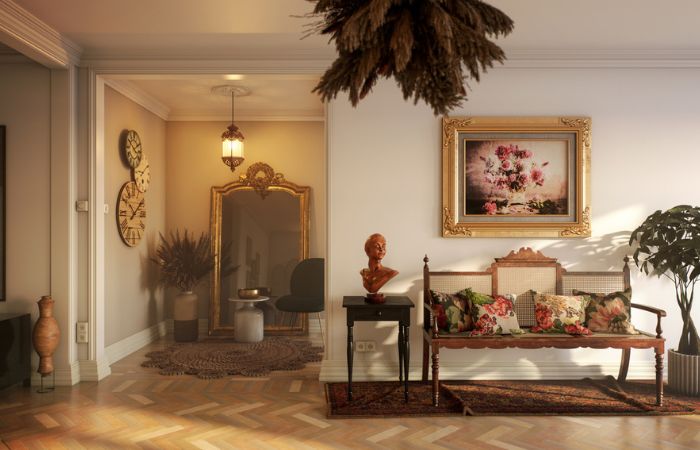
There was a time when entering an antique shop meant stopping, observing, breathing in the scent of old wood and yellowed paper, and feeling the weight of time on every object.
Every piece of furniture, every lamp, every vase had a story to tell, a life lived, a journey that only those who knew how to listen could perceive. The antiques market was then a place made of human encounters, slow conversations, hands that glided over wood polished by time to feel its consistency, its history, its genuineness.
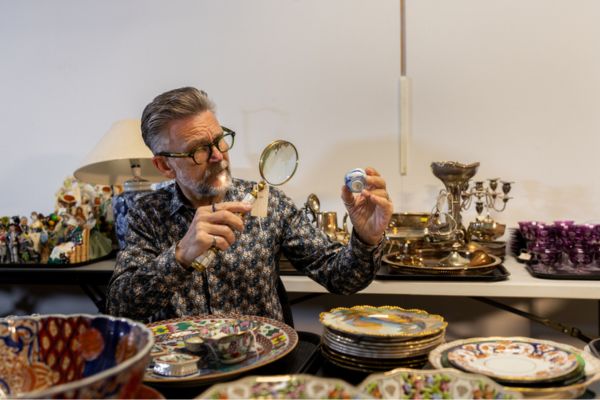
Today, ten years later, the landscape has changed radically. The advent of digital technology has revolutionised the world of antiques, opening up incredible possibilities and at the same time posing new challenges. Online antiques have not erased the charm of the past; they have made it accessible to those who, far from the shop or fair, still wish to perceive, understand and love the objects of yesteryear.
In this article, I will guide you through this decade of transformations, recounting how the market has changed, what it means today to collect, buy and sell antiques online, and why the passion for antiques remains more alive than ever. I do this with years of experience behind me, through stories of rare objects and private collections, with the conviction that competence and respect are the key to creating trust between those who sell and those who buy.
The charm of the antique: a world that speaks
Antiques are much more than old objects. Each piece tells its own story, carrying the echo of the hands that built, loved and used it. I have spent years observing carved furniture, hand-painted porcelain, carpets that have seen entire generations pass, and every time I am surprised at how an object can be a silent witness to an era.
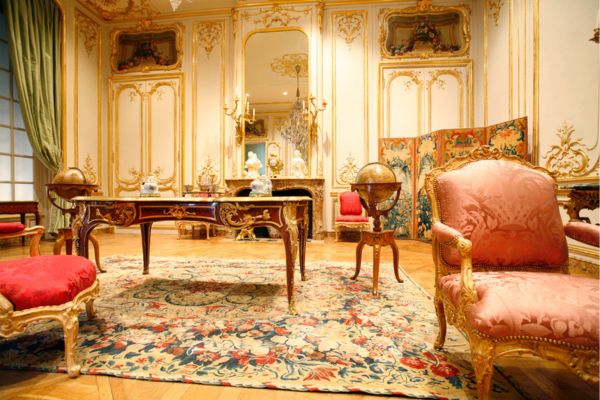
The magic of antiques lies precisely here: in the ability to bring us into contact with time. When we buy or simply admire an antique object, we enter into a dialogue with those who owned it before us. And this dialogue, however virtual it may be today, remains vintage and powerful.
In the past, this experience was reserved for those who had access to fairs, restricted markets or direct contacts with expert antique dealers. Today, digital technology has opened up this possibility to anyone with an internet connection, radically changing the way antiques are experienced.
The advent of online: distrust and curiosity
When the first antique websites started to appear, there was distrust. How could one understand the quality of a piece of furniture or a lamp through a screen? How could one perceive the history of an object without touching it, without feeling its weight or smelling the scent of time?
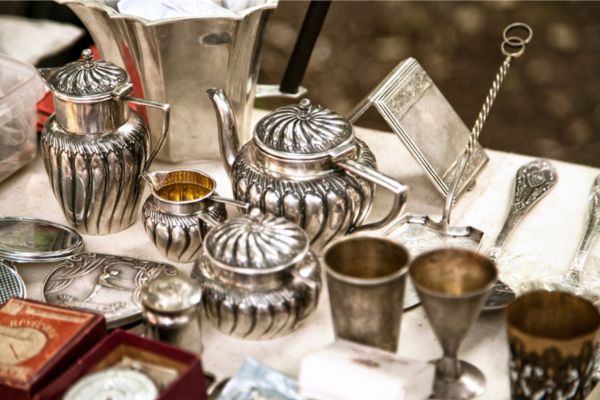
Many traditional collectors looked at digital technology with suspicion. “It will never be like seeing it in person,” they said. But as the years passed, the online platform evolved, and with it the perception of those who buy and sell antiques. High-quality photos, detailed descriptions, videos and even virtual tours have made it possible to bring the collector closer to the object, reducing physical distances without affecting the perception of its authenticity.
Today, buying a rare piece online is no longer a gesture of compromise, but a conscious choice: it means being able to access objects that were previously geographically limited, having complete information and choosing calmly, without haste.
Greater access, greater awareness
Digital technology has democratised antiques. Anyone can now compare objects, find out about their value, learn more about the history of a piece of furniture or an object of art. Ten years ago, this access was reserved for a few, often those with experience or established knowledge.
Today, collectors have access to guides, articles, forums and reviews. They can ask direct questions, compare prices and quality, and gain awareness. This has not only increased the transparency of the market, but has also raised the overall level of antique culture.
The result? A healthier, more attentive market, in which knowledge and experience count as much as the beauty of the object.
Trust as a core value
If there is one element that the online market has highlighted more than any other, it is trust. You don’t buy an antique piece of furniture, a painting or a rare object without trusting the person offering it. The seller’s reputation becomes fundamental, as does the clarity of the information and the quality of the service.
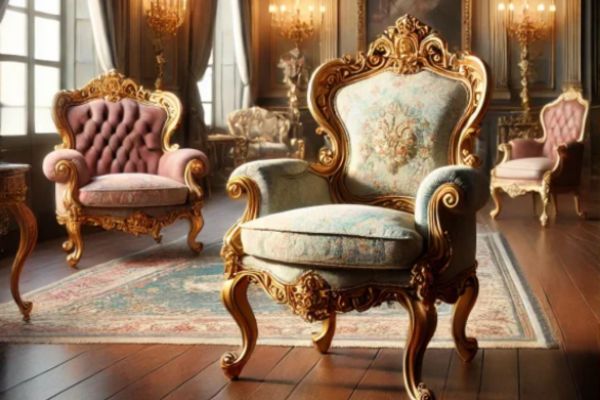
Sites like AnticoAntico understood this principle from the outset: it’s not just about selling, but about telling, explaining, accompanying. Every description, every photograph, every piece of advice conveys competence and respect. The collector must feel that his investment is not only economic, but also cultural and emotional.
Trust generates a lasting bond: those who buy once with serenity will return, because they know they can count on those who have experience, passion and respect for the history of objects.
New collectors, new needs
In the last ten years, new generations have approached the world of antiques. Young collectors, digital natives, who are looking for authenticity, uniqueness and meaning. They don’t just want beautiful objects: they want stories to tell, pieces that reflect their personality and their values.
The online world has allowed this meeting between tradition and modernity. The market has had to adapt: quality photos, informative content, emotional stories. Every object is now presented as a small journey through time, a complete experience, not just an item for sale.
Objects tell their story
Antiques are not just about aesthetics: they are about narration. An antique object has a voice, if we know how to listen to it. Telling the story of a piece of furniture, a lamp or a piece of jewellery means conveying the emotion of those who created, lived with and preserved it.
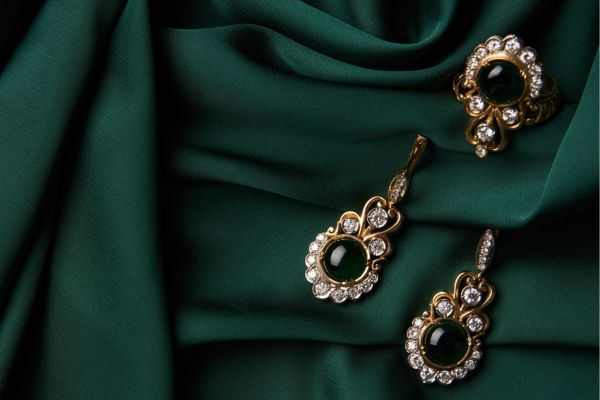
Digital technology has given us new tools for this: high-resolution photographs, videos, detailed texts, interviews with collectors and restorers. Everything contributes to making the reader feel part of that story, to making them understand the importance of every sign, every patina, every small imperfection.
Restoration and conservation in the digital age
Showing a restored object online is a challenge: the photos must tell the story of the quality of the restoration, without hiding the signs of time that are part of it. In the last ten years, attention to restoration has increased, because the collector wants to be sure that the object does not lose value or authenticity.
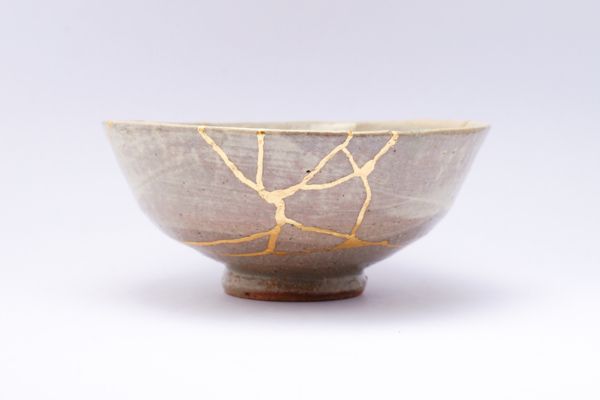
Accompanying each piece with advice on conservation, explanations of restoration techniques and information on its past makes the online experience more complete and secure.
Antiques and sustainability
One aspect that often goes unnoticed, but which has a profound value, is sustainability. Buying an antique object is not only a gesture of taste or passion: it is giving new life to what time has already preserved, continuing a story that began centuries ago. It is choosing to reduce consumption and waste, to respect the memory of the artisans and hands that created those pieces, and at the same time to take care of our planet.
The online world has made this gesture even more powerful, showing how conscious collecting is not only a personal pleasure, but an ethical and meaningful act, in which every object purchased becomes a bridge between past, present and future.
Common mistakes and how to avoid them
Buying antiques online can be an extraordinary experience, but it is not without risks, especially for those who are approaching this world for the first time. In the last ten years, we have seen inexperienced collectors fall into traps: poorly described objects, photographs that deceive the eye, copies passed off as originals. Every mistake can lose not only money, but also the joy and magic of discovering a unique piece.
For this reason, it is essential to rely on authoritative sites, read each description carefully, ask questions, and carefully assess the condition of the object. True security comes not only from certificates or numbers, but from the knowledge, experience and passion of those who guide you. Only in this way does every purchase become not a risk, but a discovery: the certainty of bringing home a piece of history, with serenity and confidence.
The future of antiques online
Looking ahead, the market will continue to evolve. Videos, live auctions, social media and augmented reality will offer new tools to tell and enhance antique objects. But the key will always remain the same: narration, competence and respect.
Online antiques will never replace the physical experience, but will complement it, making it possible for anyone, anywhere, to experience the beauty of the past.
In the last ten years, the online antiques market has undergone a profound transformation. It has made the world of rare objects more accessible, brought transparency, and allowed new collectors to approach a universe that once seemed reserved for a few.
But, above all, it has confirmed an eternal truth: every antique object has a story to tell. And those who know how to listen to it with passion, competence and respect will find in every piece of furniture, in every lamp, in every jewel a piece of time to cherish.
Buying antiques online is not just buying: it is coming into contact with the memory, culture and beauty that resist time. And in this journey, sites like AnticoAntico become more than just a platform: they become trusted guides, authoritative points of reference for those who love the vintage charm of the past.
FAQ – Antiques Online: Frequently Asked Questions
1. What are antiques online?
Antiques online is the possibility of buying, selling or discovering antique and rare objects through digital platforms. It allows you to access unique pieces without being physically present in shops or at fairs.
2. How can I tell if an antique object is vintage?
Each object must have a detailed description, quality photographs and, when possible, certifications or historical documentation. On reliable sites such as AnticoAntico, the expertise of sellers and restorers helps to guarantee authenticity and value.
3. Is it safe to buy antique furniture and objects online?
Yes, as long as you rely on reputable platforms and verify descriptions, conditions, reviews and shipping methods. The transparency and reputation of the seller are fundamental for a safe purchase.
4. How can I assess the price of an antique object?
The price depends on factors such as rarity, condition, age, material and provenance. Studying the market and comparing similar objects helps you to understand the real value of a piece.
5. Can I buy antiques online if I am not an expert?
Absolutely yes. Many sites offer guides, advice, technical details and the possibility of contacting experts. Curiosity and a desire to learn are more important than initial knowledge.
6. How is a piece of furniture or a fragile object purchased online shipped?
Each object is packed with protective materials and shipped via specialised couriers. For very precious pieces, a dedicated or insured transport service is often used.
7. What does “restored” mean in an antique object?
Restoration may include repairs necessary to stabilise or preserve an object, without altering its history or charm. The best antique dealers always describe what work has been done.
8. What are the advantages of buying antiques online compared to the traditional market?
Access to a wider selection, the possibility of comparing prices, detailed information and the convenience of buying from home. In addition, you can discover rare pieces from all over Italy or abroad.
9. How to choose between antique, vintage and modern antiques?
Antique objects are generally more than 100 years old, vintage pieces more than 20-30 years old and modern antiques are of recent design but out of production. Each category has a different charm and value, linked to history and rarity.
10. Why rely on a site like AnticoAntico?
Because it guarantees competence, careful selection, detailed descriptions and assistance in choosing objects. It is an authoritative point of reference for collectors and enthusiasts looking for authenticity and security.